Traverse the wide range of options available for your Peterbilt 367 with our comprehensive selection of high-quality parts and accessories. From essential components like fuel tanks and exhaust systems to stylish upgrades like grille guards and exterior trim, we have everything you need to keep your rig running strong and looking its best. Tackle tough jobs with confidence thanks to our durable, reliable parts engineered to meet the demands of the open road. Whether you're seeking
, our Peterbilt 367 product lineup has you covered. Elevate your ride and experience the power of the Peterbilt name.
Frequently Asked Questions About Peterbilt 367 Fuel Tanks
What size fuel tanks are available for my Peterbilt 367, and how do I determine which fits my truck?
Peterbilt 367 fuel tanks typically come in 80, 100, 120, and 150-gallon capacities. To determine the right fit, check your truck's spec sheet or measure your existing tank's mounting brackets center-to-center distance. Most 367 models from 2007-2015 use 25-inch or 26-inch strap spacing, while 2016+ models may vary. The tank diameter (typically 23" or 25") must also match your existing brackets and step configuration.
Are these fuel tanks compatible with all Peterbilt 367 model years?
While most aftermarket fuel tanks are designed to fit Peterbilt 367s from 2007 to present, there are important variations. Pre-2016 models typically use different strap configurations than newer trucks. Additionally, trucks with set-forward axles or extended hoods may require specific tank lengths. Always verify your truck's build date and configuration before ordering, as DEF tank placement on 2011+ models can affect fuel tank positioning.
What's the difference between aluminum and steel fuel tanks, and which should I choose?
Aluminum tanks are 40-50% lighter than steel, improving fuel economy and payload capacity. They resist corrosion better but cost 20-30% more upfront. Steel tanks are more affordable and highly durable against impacts but require regular inspection for rust, especially in salt-heavy regions. Most owner-operators prefer aluminum for weight savings, while fleet operators often choose steel for lower initial cost. Both materials meet DOT requirements when properly maintained.
Can I install a replacement fuel tank myself, or do I need professional installation?
While experienced mechanics can complete the installation in 3-4 hours, we recommend professional installation for safety and warranty reasons. The process requires disconnecting fuel lines, removing heavy tanks (empty tanks weigh 50-150 lbs), transferring sending units and fuel pumps, and ensuring proper grounding. Improper installation can cause leaks, gauge malfunctions, or void warranties. Most shops charge $300-500 for installation, which includes pressure testing and proper disposal of old tanks.
Do these fuel tanks come with mounting straps, sending units, and other necessary hardware?
Most replacement fuel tanks are sold as bare units without accessories. You'll typically need to purchase separately or reuse: mounting straps and brackets ($150-250), fuel sending units ($75-150), fuel caps ($25-50), and crossover line fittings if running dual tanks. Some suppliers offer complete kits that include all hardware, which can save $100-200 versus buying components individually. Always verify what's included before ordering to avoid installation delays.




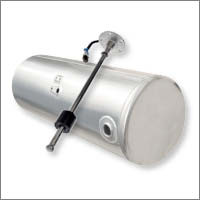
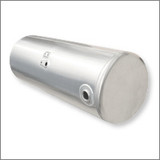 Peterbilt 367 Diesel Fuel Tanks
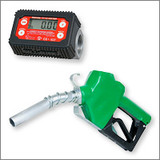 Peterbilt 367 Fuel Tank Acc.
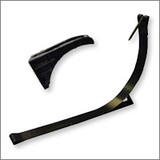 Peterbilt 367 Fuel Tank Brackets & Straps
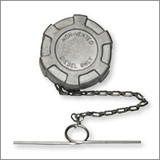 Peterbilt 367 Fuel Tank Caps
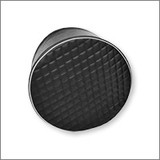 Peterbilt 367 Fuel Tank Covers & Bras
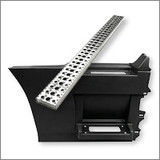 Peterbilt 367 Fuel Tank Fairings
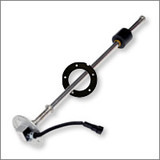 Peterbilt 367 Fuel Tank Senders