If you drive a Peterbilt 379, 389, 378, or 359, your truck deserves more than just stock parts. Our aftermarket Peterbilt exhaust components are built to handle the demands of the open road—while giving your rig a clean,
bold exterior look that commands attention.
Why Invest in Aftermarket Peterbilt Exhaust Parts?
- Boost Performance: Precision-engineered elbows, Y-pipes, and stack kits improve exhaust flow for better fuel efficiency and horsepower.
- Customize Your Look: Choose from chrome or stainless steel stacks, tips, and brackets to match your rig’s personality.
- Fight Corrosion: Durable, high-grade materials resist rust and road grime—keeping your setup sharp for the long haul.
- Easy Upgrades: Bolt-on kits and replacement parts make installs fast, simple, and frustration-free.
- Built for the Long Haul: Aftermarket parts often outlast stock components and are designed with real trucker feedback in mind.
Get a Full Exhaust System Upgrade
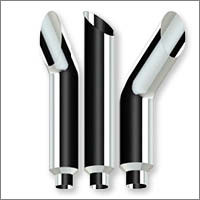
- Exhaust Stacks & Kits: Go with a straight cut, bull hauler, or turnout style for head-turning curb appeal.
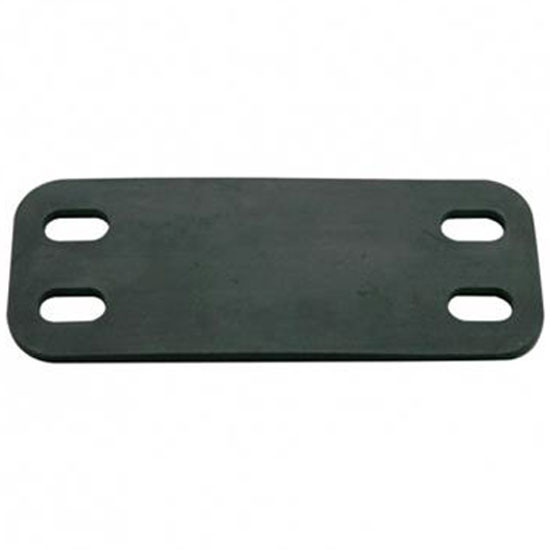
- Clamps, Brackets & Hangers: Heavy-duty fasteners that keep your system tight, quiet, and rattle-free.
- Elbows & Y-Pipes: Optimize backpressure and performance where it matters most—under load.
- Exhaust Tips & Accessories: Polish off your build with sleek chrome or stainless accents.
- Complete Systems: All-in-one kits with everything you need for a full replacement or upgrade.
Shop for Replacement Exhaust Components Today
Expand your exhaust upgrades with related performance enhancements like new and improved
Peterbilt charge air coolers or
frame and chassis parts for more stable exhaust mounting. Whether you’re fixing a damaged pipe or customizing a show-ready big rig from the ground up, we’ve got the aftermarket Peterbilt exhaust parts to match your performance goals and style preferences.
Frequently Asked Questions About Peterbilt Exhaust Parts
What are the main differences between chrome and stainless steel exhaust stacks for my Peterbilt?
Chrome-plated exhaust stacks offer a mirror-like finish and are typically more affordable upfront, but require regular polishing and may show pitting or rust over time, especially in harsh weather conditions. Stainless steel stacks, while more expensive initially, resist corrosion better and maintain their appearance with minimal maintenance. For trucks operating in salt-heavy regions or those exposed to frequent washing, stainless steel provides better long-term value despite the higher initial cost.
Which Peterbilt models and years are compatible with universal exhaust parts?
Most universal exhaust parts fit Peterbilt models 379, 389, 567, and 579 from 2000 onwards, but critical measurements include the exhaust pipe diameter (typically 5-inch or 6-inch) and the mounting bracket style. Pre-2007 models often use different emission control configurations than post-2007 trucks. Always verify your specific model year and engine type, as trucks with Cummins ISX, Caterpillar, or Paccar MX engines may have different exhaust routing requirements. When in doubt, provide your OEM number for exact fitment confirmation.
What tools and skills do I need to install exhaust components myself?
Basic exhaust installations require standard hand tools including socket sets (typically 9/16" to 3/4"), band clamps, and exhaust hangers. For stack installations, you'll need a drill with metal bits for bracket mounting and potentially a reciprocating saw for modifications. Most installations take 2-4 hours for experienced mechanics. Common challenges include aligning multiple components, ensuring proper clearances from heat-sensitive parts, and achieving leak-free connections. Professional installation is recommended for complex systems involving DPF or DEF components.
How do I prevent exhaust leaks at connection points?
Exhaust leaks commonly occur at clamp connections and flex pipe joints. Use high-quality band clamps rated for diesel exhaust temperatures (1000?F+) and apply anti-seize compound to all threaded connections. Ensure mating surfaces are clean and free of old gasket material. For best results, use exhaust sealant rated for high temperatures at slip-fit connections. Tighten clamps gradually in a cross-pattern to ensure even pressure distribution. After installation, run the engine and check for leaks using soapy water on cool connections.
What exhaust modifications affect emissions compliance and warranties?
Any modifications to factory emission control devices, including DPF deletes, EGR modifications, or straight pipe conversions, violate federal EPA regulations and void engine warranties. Legal modifications include replacing worn components with OEM-equivalent parts, upgrading exhaust tips and stacks after the emission controls, and installing heat shields or chrome accessories. Always maintain factory emission equipment functionality. For pre-2007 trucks without DPF systems, you have more flexibility with exhaust modifications while staying compliant.