

Peterbilt 389 Glider Engine Parts & Cooling
Upgrade your truck's efficiency with high-quality Peterbilt 389 Glider engine cooling parts available at 4 State Trucks. Explore our inventory of Radiators, Charge Air Coolers, Fan Shrouds, Filters, and Transmission Coolers designed to optimize your truck's performance. Rely on 4 State Trucks for premium solutions to maintain your truck's operational excellence.
- Product
- Qty in Cart
- Quantity
- Price
- Subtotal
-
FREE SHIPPING OVER $249

BESTfit Stainless Steel T-Bolt Clamp For Charge Air Coolers
BESTFIT TRUCK PARTS
$8.54 - $31.20Prevent leaks and maintain peak airflow in your charge air cooler system with the BESTfit Stainless Steel Heavy Duty T-Bolt Clamp, designed for sizes from 3.562 - 3.875 Inch up to 7 - 7.5 Inch. Made...PPR_202710- SKU:
- PPR_202710
- Truck Class:
- Heavy Duty
- Material Options:
- Stainless Steel
- Finish Options:
- Polished
- Make:
- Universal Items
- Product Type:
- Engine Parts
- Ready To Ship:
- Yes
$8.54 - $31.20Qty in Cart: 0Price:$8.54 - $31.20Subtotal: -
FREE SHIPPING OVER $249

TPHD 1.875 Inch Oil Filler Cap With Chain For CAT Engine
TURNPIKE TRUCK TRIM
$21.54Oil Filler Cap W/ Chain Fits CAT Engine By TPHDKeep your CAT engine properly sealed and protected with the TPHD 1.875 Inch Oil Filler Cap With Chain. Designed for durability and reliable performance,...09-072001- SKU:
- 09-072001
- Truck Class:
- Universal
- Material Options:
- Aluminum
- Make:
- Universal Items
- Product Type:
- Engine Parts
- Ready To Ship:
- Yes
$21.54Qty in Cart: 0Price:$21.54Subtotal: -
FREE SHIPPING
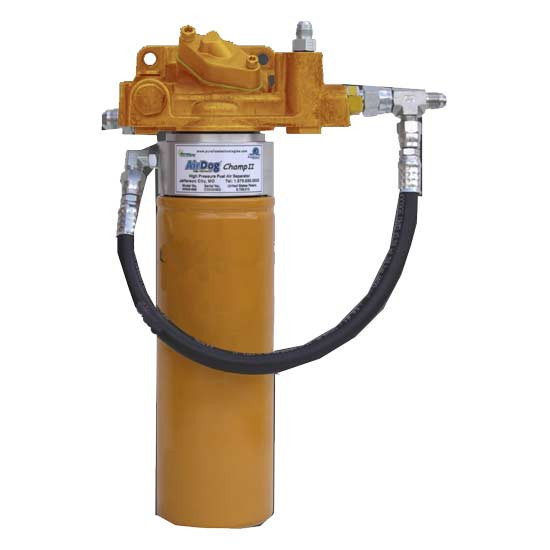
Air Dog Champ II Air Fuel Separator For CAT Engines 3406E, C13, C15, C16, C18
AIRDOG HD
$508.99Air Dog Champ II Air Fuel Separator Fits CAT EnginesGet your AirDog Champ II spin-on high-pressure fuel air separator at 4 State Trucks! It is designed specifically for CAT engines with secondary...09-07030120- SKU:
- 09-07030120
- Truck Class:
- Universal
- Location:
- Made In USA
- Material Options:
- Steel
- Make:
- Universal Items
- Product Type:
- Engine Parts
- Ready To Ship:
- Yes
$508.99Qty in Cart: 0Price:$508.99Subtotal: -
FREE SHIPPING OVER $249

Isspro 2.6 Inch Magnetic Pick Up Sender W/ 3/4 Inch -16 Threading & Wire Leads
ISSPRO
$63.99Magnetic Pick UpSenderWe offer top of the line aftermarket Isspro magnetic pick up senders for your big rig. This sender is to be used with Isspro speedometers and tachometers. It features wire lead...29-071002- SKU:
- 29-071002
- Truck Class:
- Heavy Duty
- Make:
- Universal Items
- Product Type:
- Engine Parts
- Ready To Ship:
- Yes
$63.99Qty in Cart: 0Price:$63.99Subtotal: -
FREE SHIPPING

Exhaust Manifold Stud Kit For Caterpillar Engines
FULL TILT PERFORMANCE
$349.99Caterpillar Exhaust Manifold Stud KitThe Exhaust Manifold Stud Kit for Caterpillar Engines is a must-have for any heavy-duty engine overhaul or maintenance project. This set includes high-quality...29-0704095- SKU:
- 29-0704095
- Location:
- Made In USA
- Truck Class:
- Heavy Duty
- Make:
- Universal Items
- Product Type:
- Engine Parts
- Ready To Ship:
- Yes
$349.99Qty in Cart: 0Price:$349.99Subtotal: -
FREE SHIPPING OVER $249
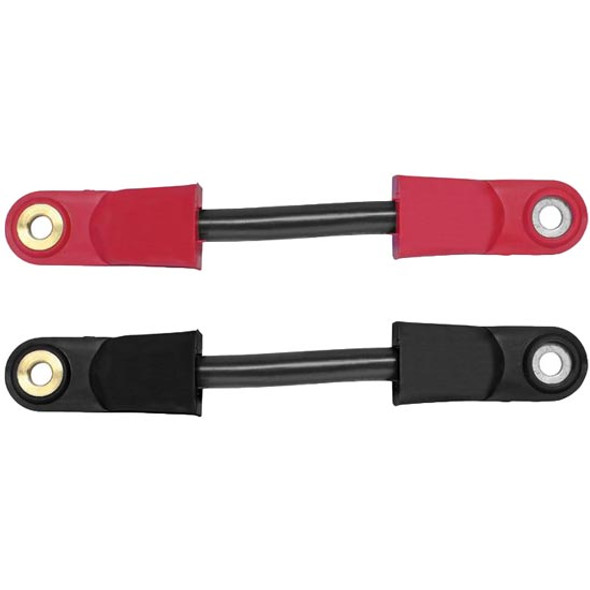
TPHD 8 Inch Battery Cable Over Molded Harness
TPHD
$29.683Power your vehicle with confidence using the TPHD 8 Inch Battery Cable Over Molded Harness, a high-quality replacement for OEM cables. Available in both Red and Black 1/0 gauge versions, it fits...PPR_204388- SKU:
- PPR_204388
- Truck Class:
- Universal
- Make:
- Universal Items
- Truck Class:
- Heavy Duty
- Product Type:
- Air, Electrical, & Safety
- Ready To Ship:
- Yes
$29.68Qty in Cart: 0Price:$29.68Subtotal: -

Pittsburgh Power Oil Trap For Cummins NTC And N14 Engine
PITTSBURGH POWER
$371.99Universal Oil Trap For Cummins NTC And N14 Engine, Bolts Directly To Oil PanTired of messy truck undercarriages? The Universal Oil Trap is here to help. Easy to install on Cummins NTC and N14...09-071200001- SKU:
- 09-071200001
- Truck Class:
- Universal
- Location:
- Made In USA
- Make:
- Universal Items
- Product Type:
- Engine Parts
- Ready To Ship:
- Yes
$371.99Qty in Cart: 0Price:$371.99Subtotal: -

CAT Engines Manifold Spacers Stainless Steel
FULL TILT PERFORMANCE
$289.99Manifold Spacers For CAT Engines Stainless Steel Fits C13, C15, ACERT And 3406 B, C And EThis Bully Dog Stainless Steel Manifold spacer set is a bolt on upgrade that will customize the look and fit...29-0704102- SKU:
- 29-0704102
- Location:
- Made In USA
- Truck Class:
- Heavy Duty
- Material Options:
- Stainless Steel
- Make:
- Universal Items
- Product Type:
- Engine Parts
- Ready To Ship:
- Yes
$289.99Qty in Cart: 0Price:$289.99Subtotal: -
FREE SHIPPING OVER $249
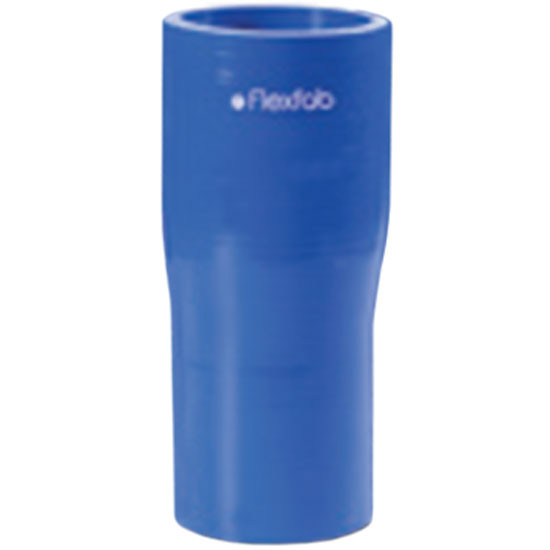
BESTfit 3 Inch To 2.5 Inch Silicone Coolant Hose Reducer
BESTFIT TRUCK PARTS
$37.44BESTfit 3 Inch To 2.5 Inch Silicone Coolant Hose Reducer* High Quality Coolant Hose* 3.00 ID To 2.50 ID* Silicone* 3.00 ID X 2.50 ID X 6 L* Sold Individually* Warranty On Coolant Hose Against Defects...09-0702077- SKU:
- 09-0702077
- Truck Class:
- Heavy Duty
- Make:
- Universal Items
- Material Options:
- Silicone
- Product Type:
- Engine Parts
- Ready To Ship:
- Yes
$37.44Qty in Cart: 0Price:$37.44Subtotal: -

Primrose Power Klenz Premium Select Diesel Fuel Additive
AFTERMARKET
$95.99Power Service Diesel Kleen +Cetane BoostBoost diesel performance with Power Klenz 5007. It's great for cleaning injectors, dispersing asphaltenes, and preventing filter clogs. Lubricity improves,...PK5007- SKU:
- PK5007
- Product Type:
- Engine Parts
- Make:
- Universal Items
- Ready To Ship:
- Yes
$95.99Qty in Cart: 0Price:$95.99Subtotal: -
FREE SHIPPING OVER $249

Thermocouple For Digital Pyrometer, By Teltek
TELTEK
$110.99Thermocouple Teltek Digital PyrometerThe Teltek digital pyrometer can be paired with a reliable and high-quality thermocouple, available for individual purchase. Designed to meet your temperature...09-1502183- SKU:
- 09-1502183
- Location:
- Made In USA
- Truck Class:
- Universal
- Make:
- Universal Items
- Product Type:
- Interior
- Ready To Ship:
- Yes
$110.99Qty in Cart: 0Price:$110.99Subtotal: -

Exhaust Manifold - 1 Piece For Detroit Diesel 60 Series
POWER PLAY PRODUCTS
$1,326.99 - $1,530.99Choose Option(s) to see description.Fitment** Fits Models W/ Detroit Diesel 60 Series 12.7L Engines** Please Verify Fitment Prior To Ordering **Bare Finish Exhaust Manifold- 1 Piece For Detroit...PPR_299564- SKU:
- PPR_299564
- Product Type:
- Engine Parts
- Material Options:
- Ceramic
- Finish Options:
- Chrome-Plated
- Color:
- Black
- Style Options:
- Detroit
- Make:
- Universal Items
$1,326.99 - $1,530.99Qty in Cart: 0Price:$1,326.99 - $1,530.99Subtotal: -

BESTfit Blue Silicone Heater Hose - .75 Inch ID X 25 Feet
BESTFIT TRUCK PARTS
$95.99Blue Silicone Heater Hose - 0.75 Inch ID X 25 Feet* High Quality Heater Hose* Made Of Silicone* Blue* Dimensions: - 0.750 Inch ID - 25 Feet* Sold Individually* Warranty On Heater Hose Against...09-070200006- SKU:
- 09-070200006
- Truck Class:
- Heavy Duty
- Make:
- Universal Items
- Product Type:
- Engine Parts
- Ready To Ship:
- Yes
$95.99Qty in Cart: 0Price:$95.99Subtotal: -
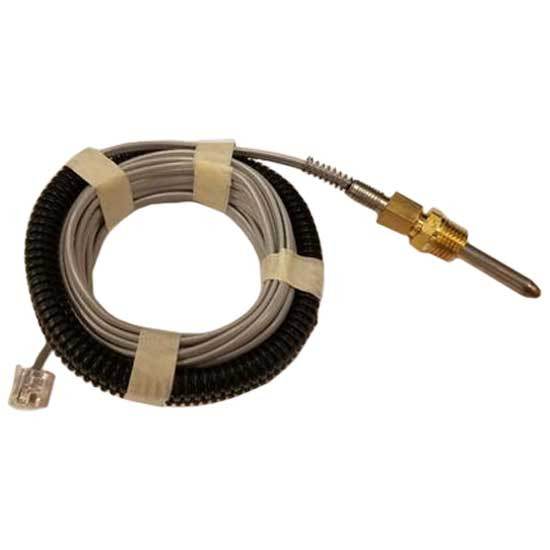
Water Oil Transmission Temp Sender And Cable, 16 Foot In Length For Teltek Gauges
TELTEK
$45.60Water Oil Transmission Temp Sender And Cable, 16 Foot In Length For Teltek Gauges* High Quality Water/Oil/Transmission Temperature Sender And Cable* 16 Foot Length* For Teltek Gauges* Sold...09-1502706- SKU:
- 09-1502706
- Truck Class:
- Heavy Duty
- Make:
- Universal Items
- Product Type:
- Interior
$45.60Qty in Cart: 0Price:$45.60Subtotal: -
FREE SHIPPING OVER $249

Fleetguard Spin-On Oil Filter Full-Flow Replaces LF3620 For Detroit 60 Engines
OPP - ORIGINAL PARTS PROGRAM
$23.72LF3620 Spin-On Oil FilterThis oil filter is for Detroit 60 engines. The LF3620 Fleetguard Full-Flow Spin-On Oil Filter features a lube filter and offers full-flow spin-on capabilities. It has a 9...LF3620FLG- SKU:
- LF3620FLG
- Truck Class:
- Heavy Duty
- Make:
- Universal Items
- Diameter Options:
- 4 3/4 Inch
- Product Type:
- Engine Parts
- Ready To Ship:
- Yes
- Length Options:
- 9 3/4 Inch
- Style Options:
- Detroit
$23.72Qty in Cart: 0Price:$23.72Subtotal: -

SS Peanut Cover Plate W/ Gasket Replaces 146-2601 For CAT 3406E
BESTFIT TRUCK PARTS
$273.99Mirror Finish Stainless Steel Peanut Cover Plate And GasketDesigned to fit seamlessly onto the Cat 3406E and C15 ACERT engines, this cover plate is easy to install. It is constructed from high-grade...29-0704127- SKU:
- 29-0704127
- Material Options:
- Stainless Steel
- Truck Class:
- Heavy Duty
- Make:
- Universal Items
- Product Type:
- Engine Parts
- Finish Options:
- Mirror
$273.99Qty in Cart: 0Price:$273.99Subtotal: -

Straight Out Mount Exhaust Manifold - 1 Piece For Caterpillar 3406E/C15
POWER PLAY PRODUCTS
$1,326.99 - $1,530.99Choose Option(s) to see description.Fitment** Fits Models W/ Caterpillar 3406E/C15 Engines** Please Verify Fitment Prior To Ordering **Bare Finish Straight Out Mount Exhaust Manifold- 1 Piece For...PPR_299562- SKU:
- PPR_299562
- Finish Options:
- Chrome-Plated
- Style Options:
- Caterpillar
- Color:
- Black
- Product Type:
- Engine Parts
- Material Options:
- Ceramic
- Make:
- Universal Items
- Ready To Ship:
- Yes
$1,326.99 - $1,530.99Qty in Cart: 0Price:$1,326.99 - $1,530.99Subtotal: -
FREE SHIPPING OVER $249

BESTfit Heavy Duty Hump Hoses
BESTFIT TRUCK PARTS
$45.77 - $82.99Improve your charge air system with the gray silicone hump hose for charge air coolers from BESTfit. Built from durable silicone with a thicker wall than standard hump hoses, this aftermarket...PPR_202715- SKU:
- PPR_202715
- Truck Class:
- Heavy Duty
- Make:
- Universal Items
- Product Type:
- Engine Parts
- Ready To Ship:
- Yes
$45.77 - $82.99Qty in Cart: 0Price:$45.77 - $82.99Subtotal: -
FREE SHIPPING OVER $249

BESTfit 4.5 - 4 X 6 Inch Hot Side Charge Air Intake Hump Hose
BESTFIT TRUCK PARTS
$76.99Red Hump Hose Reducer For Hot Side By BESTfitProtect your turbo system with the BESTfit Hot Side Charge Air Intake Hump Hose, made from high-quality silicone for maximum heat resistance and...09-070111- SKU:
- 09-070111
- Product Type:
- Engine Parts
- Truck Class:
- Heavy Duty
- Make:
- Universal Items
- Ready To Ship:
- Yes
$76.99Qty in Cart: 0Price:$76.99Subtotal: -

Bully Dog ECM Tuner W/ Emissions Tested & Diagnostic Reader For Caterpillar C11, 12, 13, 15 & 16
BULLY DOG
$849.95Bully Dog ECM Tuner W/ Speed Limiter Adjustments Fits Caterpillar C11, 12, 13, 15 & 16Get more from your CAT engine with the Bully Dog ECM Tuner, engineered for C16, C15, C13, C12, and C11 models...29-0704091- SKU:
- 29-0704091
- Truck Class:
- Heavy Duty
- Make:
- Universal Items
- Product Type:
- Engine Parts
- Style Options:
- Caterpillar
- Location:
- Made In USA
$849.95Qty in Cart: 0Price:$849.95Subtotal: