This product line offers high-quality fuel tanks and accessories for the Peterbilt 389. Whether you need a replacement diesel tank, fuel tank covers, brackets, or specialized components, this line has you covered. With various tank sizes and features, you can find the right solution to keep your truck running efficiently. The line also includes popular add-ons like fuel tank steps and fairings to enhance your truck's appearance and functionality. Focused on durability and compatibility, the Peterbilt 389 Fuel Tanks product line meets all your fuel system needs.
Before you go, explore our other product collections including
Frequently Asked Questions About Peterbilt 389 Fuel Tanks
What size fuel tanks are available for my Peterbilt 389, and how do I know which ones will fit?
Peterbilt 389 fuel tanks typically come in 80, 100, 120, and 150-gallon capacities. The most common configurations are dual 120-gallon or dual 150-gallon setups. Tank compatibility depends on your truck's wheelbase and frame rail spacing. For 2008-2023 model years, measure from the back of the cab to the center of your rear axle to determine maximum tank length. Standard diameter is 26 inches for most applications. Always verify your frame rail width - standard spacing is 34 inches, but some models vary.
Are aftermarket aluminum fuel tanks as durable as OEM steel tanks?
Quality aftermarket aluminum tanks offer excellent durability and several advantages over steel. They're significantly lighter (reducing weight by 100-150 pounds per tank), won't rust, and maintain better resale value. Look for tanks made from 0.125-inch thick aluminum with reinforced baffles and welded construction. Reputable brands use aircraft-grade aluminum alloy that meets or exceeds DOT specifications. The main consideration is proper mounting and isolation to prevent galvanic corrosion where aluminum contacts steel brackets.
What's involved in installing replacement fuel tanks on a 389, and can I do it myself?
Installation typically takes 4-6 hours per tank for experienced technicians. You'll need to drain existing fuel, disconnect fuel lines and sending unit wiring, remove mounting straps, and carefully lower the old tank. Key challenges include aligning new tanks with existing fuel crossover lines and ensuring proper strap tension. Required tools include a transmission jack or tank jack, fuel transfer pump, and new mounting hardware. While DIY is possible, professional installation is recommended due to DOT regulations and the need to properly seal all connections to prevent leaks.
Do polished aluminum tanks require special maintenance to keep their shine?
Yes, polished aluminum tanks need regular maintenance to maintain their mirror finish. Clean them weekly with aluminum-specific polish and a microfiber cloth. Avoid harsh chemicals or abrasive cleaners that can scratch the surface. Apply a quality aluminum sealant every 3-4 months to protect against oxidation and road chemicals. For trucks in harsh winter climates with heavy salt use, consider upgrading to powder-coated or painted tanks, which require less maintenance while still offering corrosion resistance.
Will changing to larger fuel tanks affect my truck's weight distribution or handling?
Upgrading fuel tank size can impact weight distribution, especially when fully loaded. Each gallon of diesel weighs approximately 7 pounds, so upgrading from dual 100-gallon to dual 150-gallon tanks adds 700 pounds when full. This additional weight is positioned low and centered, which generally improves stability. However, you may need to adjust fifth wheel position or load distribution to maintain proper axle weights. Check your truck's GVWR and individual axle ratings before upgrading, and consider having the truck reweighed after installation to ensure compliance with weight regulations.




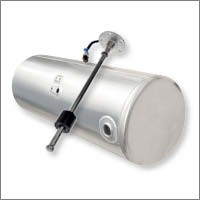
 Peterbilt 389 Diesel Fuel Tanks
 Peterbilt 389 Fuel Tank Acc.
 Peterbilt 389 Fuel Tank Brackets & Straps
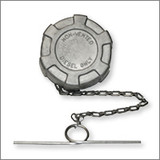 Peterbilt 389 Fuel Tank Caps
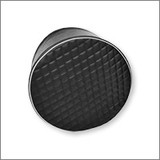 Peterbilt 389 Fuel Tank Covers & Bras
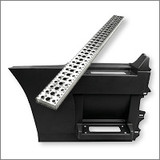 Peterbilt 389 Fuel Tank Fairings
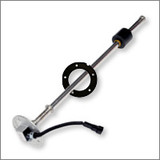 Peterbilt 389 Fuel Tank Senders
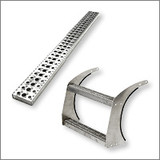 Peterbilt 389 Fuel Tank Steps