


null
Shop by Make, Model & Year
Peterbilt 387 Engine Parts & Cooling

Peterbilt 387 Engine Parts & Cooling

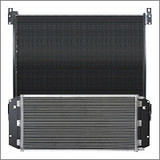
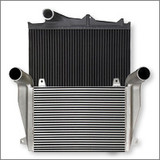
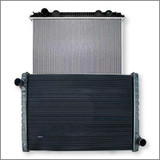
Peterbilt 387 engine cooling parts to keep your engine running at a high performance. Explore our range of Radiators, Charge Air Coolers, Fan Shrouds, Filters, and Transmission Coolers designed to keep your truck's performance at its peak. Rely on 4 State Trucks for solutions that keep your truck running smoothly.

Peterbilt 387 Engine Parts & Cooling

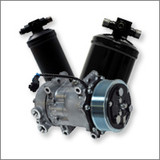
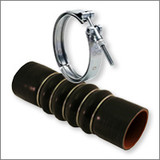
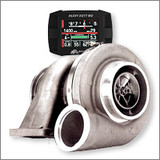
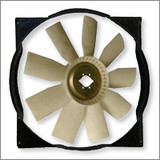
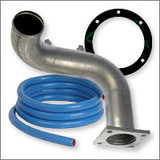
Peterbilt 387 Engine Parts & Cooling features a comprehensive selection of high-quality engine components and cooling system accessories to keep your Peterbilt 387 running at peak performance. This product lineup covers everything from air compressors and charge air coolers to radiators, fan blades, and hoses. Whether you're looking to replace worn-out parts or upgrade your engine's cooling capabilities, you'll find a wide range of durable, reliable products to meet your needs. Known for their exceptional craftsmanship and longevity, Peterbilt 387 engine and cooling parts are an essential investment to maintain the power, efficiency, and longevity of your heavy-duty truck.

Frequently Asked Questions About Peterbilt 387 Engine Parts & Cooling

What years does the Peterbilt 387 cooling system cover, and are parts interchangeable between model years?

The Peterbilt 387 was manufactured from 1999 to 2010. Most cooling system components are interchangeable within three main production ranges: 1999-2003, 2004-2007, and 2008-2010. However, radiator sizes and fan clutch specifications can vary based on engine type (Cat C15, Cummins ISX, or Detroit Series 60). Always verify your OEM and engine serial number when ordering to ensure proper fitment, as some mid-year production changes occurred.

How difficult is it to replace a radiator or water pump on a 387, and what special tools are needed?

Radiator replacement typically takes 3-4 hours for experienced mechanics and requires basic hand tools plus a coolant pressure tester. The main challenge is accessing the lower radiator mounts and disconnecting the transmission cooler lines without damage. Water pump replacement is more involved, requiring 4-6 hours and specialized tools including a harmonic balancer puller and torque wrench capable of 150+ ft-lbs. Many customers report needing to remove the fan shroud and sometimes the charge air cooler for adequate access.

What are the most common cooling system failures on the 387, and how can I prevent them?

The top three failures are: cracked plastic radiator tanks (typically after 300,000-400,000 miles), leaking water pump seals (especially on high-idle trucks), and failed thermostats sticking closed. Prevention includes flushing coolant every 2 years or 200,000 miles, checking coolant levels weekly, and replacing radiator caps every 100,000 miles. Many operators upgrade to all-aluminum radiators to avoid plastic tank failures. Also, inspect fan belts monthly as a broken belt can cause rapid overheating.

Are aftermarket engine parts reliable compared to OEM, and which brands do you recommend?

Quality aftermarket parts can match or exceed OEM performance at 30-50% less cost. For radiators, Dura-Lite and Freightliner Alliance units offer excellent durability with 2-year warranties. PAI Industries and Interstate-McBee manufacture reliable water pumps and thermostats that meet OEM specifications. Avoid no-name imports for critical components like head gaskets or oil coolers. Gates and Dayco produce dependable belts and hoses. Always choose parts with at least a 1-year warranty for peace of mind.

What coolant type should I use, and can I mix different coolants in my 387?

Peterbilt 387s require either conventional green coolant (with SCA additives) or Extended Life Coolant (ELC) in red/pink. Never mix these two types as it causes gel formation and cooling system damage. If switching coolant types, perform a complete flush including the block drains. For engines with EGR systems (2004+), use only ELC to prevent corrosion. Most 387s hold 11-13 gallons depending on engine size. Test coolant freeze point annually and maintain a 50/50 mix for optimal protection down to -34?F.


Introducing the Official 4 State Trucks Mobile App – Gear Up On the Go!