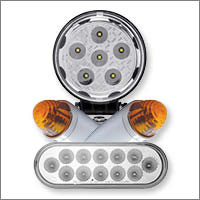
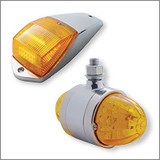
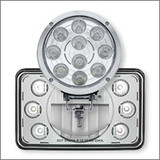
Boost visibility and styling of your Peterbilt 379 with aftermarket lighting options from our choices. Make sure you keep your truck ready for the road with our shutters, driving, clearance, and plate lights.
Both halogen and LED options are available in our stock. We make sure they can handle your daily schedule along with challenging weather. We aren't just updating your lights, we are smartly investing in the long-term value of the truck with improved visibility and added upgrades.
Are you in need of top quality replacements for broken lights? We provide you with some of the best in the industry including premium assemblies and headlight buckets. Our lights are easy to install for single fixture replacements or complex full builds.
These semi truck lights serve any owner-operator, fleet, or custom builds as affordable and highly reliable options, satisfying the needs of any commercial truck lighting framework.
Frequently Asked Questions About Peterbilt 379 Lights
Will these lights fit my specific year Peterbilt 379, and are there differences between model years?
Most aftermarket lights for the Peterbilt 379 are designed to fit models from 1987 to 2007. However, there are some variations to be aware of. Pre-2005 models typically use different headlight buckets than 2005-2007 models, which affects headlight compatibility. For marker lights and turn signals, the mounting holes remained consistent throughout production years. Always verify the specific years listed in the product description, and if you have a 2005-2007 model, double-check headlight specifications before ordering.
Are LED lights worth the extra cost compared to standard incandescent bulbs?
LED lights typically cost 2-3 times more than incandescent options but offer significant advantages. They last 50,000+ hours compared to 1,000-2,000 hours for standard bulbs, draw 80-90% less power which reduces alternator strain, and provide brighter, more visible light output. Most drivers report that LEDs pay for themselves within 12-18 months through reduced replacement cost savings. The main consideration is ensuring your truck's electrical system is compatible - trucks older than 1995 may need resistors or flasher relay upgrades for proper turn signal operation.
What tools do I need for installation, and how difficult is it to replace these lights myself?
Most Peterbilt 379 light replacements require basic hand tools: Phillips and flathead screwdrivers, 10mm and 13mm sockets, wire strippers, and electrical tape or heat shrink connectors. Headlight replacement typically takes 30-45 minutes per side and involves removing the grille and headlight bucket. Marker lights are simpler, usually requiring 10-15 minutes each. The most common challenge is dealing with corroded screws or damaged wiring harnesses on older trucks. Having dielectric grease and spare pigtail connectors on hand is recommended for trucks over 10 years old.
What's the difference between DOT-approved and non-DOT lights, and does it matter?
DOT-approved lights meet Federal Motor Vehicle Safety Standards and are required by law for on-road use. These lights have specific brightness levels, beam patterns, and color requirements. Non-DOT lights are typically for show use only and may be brighter or have non-standard colors. Using non-DOT lights on public roads can result in fines ranging from $100-$500 and failed DOT inspections. Look for the DOT marking stamped on the lens or housing. For commercial drivers, using DOT-approved lights is essential to avoid CSA violations and potential out-of-service orders.
How do I prevent moisture buildup in my headlights and marker lights?
Moisture buildup is a common issue that causes premature bulb failure and lens clouding. When installing new lights, apply a thin bead of clear silicone sealant around the lens gasket, but avoid over-sealing which can trap moisture. Drill a small 1/8-inch weep hole at the bottom of sealed beam headlights to allow drainage. For LED lights, ensure all wire entry points are sealed with rubber grommets or silicone. Replace cracked lenses immediately, as even hairline cracks allow moisture intrusion. Adding dielectric grease to bulb sockets prevents corrosion and extends connection life.