Shop Peterbilt 379 Exhaust Parts & Systems
Buy the right aftermarket parts to refurbish your Peterbilt 379 exhaust system, from elbows/pipes/clamps and chrome stack tops to mufflers and resonators. Achieve a leak-free exhaust system setup, less vibration, noise dampening, better durability, and a clean, finished look to your stacks. You can also find related parts for relatively newer models, like
Peterbilt 389 exhaust upgrades.
Complete Your Peterbilt 379 Exhaust Upgrade
- Chrome Stacks & Tops: Choose from 5-inch and 6-inch miter, flat, or bullseye tops in premium chrome or aluminized steel.
- DPF & Mufflers: Maintain emissions compliance and cabin comfort with direct-replacement
diesel particulate filters and heavy-duty mufflers.
- Elbows, Piping & Components: Route your system efficiently with our inventory of straight pipes, Y-pipes, flex tubing, and
exhaust elbows.
- Clamps, Brackets & Mounting: Prevent rattling and secure your stacks with heavy-duty frame brackets, wide-band clamps, and bushings.
- Complete Exhaust Kits: Eliminate the guesswork with pre-packaged, full-system
Peterbilt 379 exhaust kits designed for seamless installation.
Each part has a purpose. Mufflers keep engine noise down and improve driver comfort. Diesel Particulate Filters (DPFs) help reduce soot buildup. Aluminized steel exhaust pipes and elbows help to safely route exhaust fumes.
Exhaust brackets, clamps, grommets, and rubber gaskets align and secure the system preventing rattle and shake on the road.
Signs Your Need to Upgrade Your Peterbilt 379 Exhaust System
- Loud exhaust noise.
- Visible rust, holes or cracks in the pipes.
- Sluggish acceleration or decreases in fuel efficiency.
- Ratling or hissing from underneath the truck.
- Strong exhaust smells inside the cab.
Frequently Asked Questions About Peterbilt 379 Exhaust Parts
Will these exhaust parts fit my specific year Peterbilt 379?
Most of our Peterbilt 379 exhaust parts are designed to fit models from 1987 to 2007. However, there are some variations between early models (1987-1999) and later models (2000-2007), particularly in mounting bracket positions and pipe lengths. Always check the product description for specific year compatibility, or contact our team with your OEM number for verification. Extended hood models may require different stack lengths than standard hood configurations.
What's the difference between aluminized and chrome exhaust stacks?
Aluminized steel offers good corrosion resistance at a lower price point and typically lasts 3-5 years depending on conditions. Chrome stacks provide superior shine and durability, lasting 7-10 years with proper care, but cost approximately 40-60% more. Chrome needs polishing to maintain a glossy shine, while aluminized develops a matte finish over time. For trucks in harsh winter climates with heavy road salt exposure, chrome is a better investment.
Do I need special tools or professional installation for exhaust components?
Basic exhaust stack replacement typically requires standard hand tools including socket sets, wrenches, and potentially a reciprocating saw for removing old components. Most installations take 2-4 hours for experienced DIY mechanics. Standard exhaust clamps and rain caps take less than 30 minutes with basic tools. However, a complete exhaust system overhaul should be done by professionals, since it involves manifolds or turbo connections that require precise torque specifications and warranty implications.
What size exhaust stack should I choose for my 379?
The most common sizes for Peterbilt 379 trucks are 5-inch and 6-inch diameter stacks. Stock configurations typically use 5-inch, which provides adequate flow for most engines up to 500 HP. Six-inch stacks are recommended for high-performance builds over 500 HP or for the traditional aesthetic look. Stack height varies from 36 to 72 inches, with 48-60 inches being most popular. Consider your garage door clearance and state height restrictions when selecting length.
How do I prevent exhaust stack discoloration and maintain appearance?
Exhaust discoloration occurs from heat cycling and is normal, especially on chrome stacks near the base. To minimize bluing, ensure proper engine tuning and avoid extended idling. For chrome stacks, use specialized chrome polish monthly and apply heat-resistant wax after cleaning. Never use abrasive cleaners or steel wool on chrome. For aluminized stacks, mild soap and water work best. Installing heat shields between the stack and cab can reduce heat damage to paint and minimize discoloration in the lower stack sections.




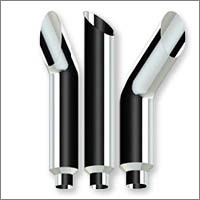
 Peterbilt 379 Chrome Stacks & Tops
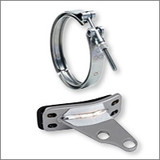 Peterbilt 379 Clamps, Brackets & Mounting
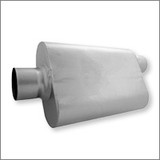 Peterbilt 379 DPF & Mufflers
 Peterbilt 379 Elbows, Piping & Comp.
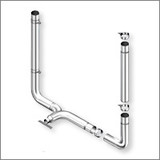 Peterbilt 379 Exhaust Kits