Looking to get more out of your Peterbilt 375 or 377? Upgrading your semi truck exhaust system is a smart way to boost performance and add that custom big rig style.
Our aftermarket exhaust parts help your
Peterbilt 375/377 diesel engine perform cooler, cleaner, and more efficiently—mile after mile.
Why Upgrade Your 375/377 Semi Truck Exhaust System?
Your truck’s exhaust system does more than blow smoke. It directs heat and gases safely away from your engine, cuts down on emissions, and reduces noise. A healthy exhaust setup improves fuel economy, protects vital components, and keeps your truck compliant with emissions standards.
Better airflow = better power. It's pretty much as simple as that.
Essential Components for a Stronger Exhaust System
Here’s what you’ll find in our aftermarket exhaust lineup:
- Exhaust Manifolds: Collect gases from the engine’s cylinders and push them through the system.
- Turbochargers: Use exhaust pressure to boost engine power.
- Exhaust Piping & Elbows: Route gases from the engine to the back of your rig.
- DOC & DPF Units: Help clean harmful particles and emissions from the exhaust.
- Mufflers: Quiet the ride while keeping flow strong.
- Chrome Stacks: Send cleaned exhaust up and out while making your rig stand out.
These parts don’t just perform—they add serious style.
Shop Online for Aftermarket Replacements that Work
Whether you’re hauling coast-to-coast or running local jobs, your exhaust system takes a beating. That’s why our parts are built with high-quality materials like stainless steel, aluminized steel, and corrosion-resistant finishes.
Choose from OEM-style replacements or go bold with custom chrome stacks and aftermarket mufflers that’ll turn heads.
From clamps, hangers, and Y-pipes to full exhaust kits, every part is designed to fit your Peterbilt 375 or 377 without a hassle. Installation is straightforward, and performance benefits are immediate:
- Improve exhaust flow
-Lower EGTs
-Boost torque and fuel economy
-Cut down on backpressure
-Reduce engine wear
You’ll also get that classic diesel sound that tells the road you're serious. If you're interested in a comprehensive performance tune-up, consider adding some better
engine cooling components for the Peterbilt 375/377, or enhance the
Pete 375/377 AC system for stronger under-the-hood airflow.
Frequently Asked Questions About Peterbilt 375/377 Exhaust Parts
Will these exhaust parts fit my specific year model Peterbilt 375 or 377?
Most of our exhaust components are designed to fit Peterbilt 375 models from 1987-2007 and Peterbilt 377 models from 1988-2000. However, there can be variations based on engine type and factory configurations. We recommend checking your truck's specific engine model (Cat 3406, Cummins N14, etc.) and confirming the exhaust pipe diameter before ordering. If you're unsure, our customer service team can help verify compatibility with your OEM number.
What's the difference between aluminized and stainless steel exhaust components?
Aluminized steel parts are more budget-friendly and provide good corrosion resistance for 3-5 years under normal conditions. They're ideal for trucks in moderate climates. Stainless steel components cost more upfront but typically last 10+ years and better resist road salt, moisture, and extreme temperatures. For trucks operating in harsh winter conditions or coastal areas, stainless steel is worth the investment.
Can I install these exhaust parts myself, or do I need a professional?
Many exhaust components like straight pipes, elbows, and mufflers can be installed by experienced DIYers with basic tools including pipe clamps, a sawzall, and proper jack stands. However, complete system replacements, especially those requiring new hangers or bracket modifications, are best left to professionals. Installation typically takes 2-4 hours depending on the components. Always ensure proper clearances from fuel lines, air lines, and electrical components.
What size exhaust pipes do Peterbilt 375/377 trucks typically use?
Most Peterbilt 375/377 models use 5-inch diameter exhaust systems, though some earlier models and specific engine configurations may use 4-inch systems. Measure your existing exhaust pipe outside diameter to confirm - 5-inch pipes measure approximately 5 inches across, while 4-inch pipes measure 4 inches. Using the wrong size will result in poor fitment and potential exhaust leaks.
How do I know when it's time to replace my exhaust components?
Replace exhaust parts when you notice excessive rust holes, cracks at welded joints, louder than normal exhaust noise, or visible exhaust leaks (look for black soot marks). Performance issues like reduced fuel economy or loss of power can also indicate exhaust restrictions. During inspections, pay special attention to the flex pipe, muffler, and areas where pipes connect - these typically fail first due to vibration and thermal stress.



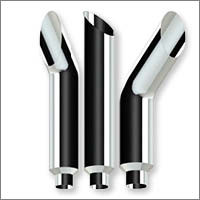
 Peterbilt 375/377 Chrome Stacks & Tops
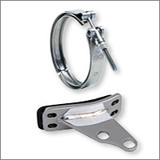 Peterbilt 375/377 Clamps, Brackets & Mounting
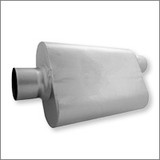 Peterbilt 375/377 DPF & Mufflers
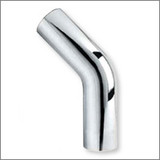 Peterbilt 375/377 Elbows, Piping & Comp.