Whether you’re chasing more power, a cleaner burn, or that aggressive chrome look—upgrading your exhaust setup is one of the best moves you can make.
Why Enhance Your Peterbilt 367 Exhaust System?
Your exhaust system is more than just pipes and stacks. It does the heavy lifting behind the scenes—removing heat, managing emissions, and keeping your diesel engine running efficiently.
A worn or clogged system means lost power, more fuel use, and more downtime. An upgraded exhaust helps your engine breathe better, lowers backpressure, and boosts overall performance.
And let’s be honest—it looks sharp too.
What Your Semi Truck Exhaust System Does
Here’s a quick breakdown of what your system includes:
- Exhaust Manifold: Channels exhaust away from the engine safely.
- Turbocharger: Uses exhaust pressure to boost engine power.
- Exhaust Piping & Elbows: Routes gases from the manifold to the back of the truck.
- Diesel Oxidation Catalyst (DOC): Converts harmful fumes into less toxic ones.
- Diesel Particulate Filter (DPF): Captures soot before it hits the air.
- Selective Catalytic Reduction (SCR): Reduces harmful NOx emissions using DEF fluid.
- Muffler: Cuts down exhaust noise without choking airflow.
- Stacks & Tips: Sends cleaned exhaust high above the cab while adding major visual style.
Each part plays a role in protecting your engine, meeting emissions rules, and keeping your rig road-ready. If you're looking for a comprehensive performance tune-up, invest in
Peterbilt 367 AC components for stronger under-the-hood cooling and
engine performance parts for the Pete 367.
Performance Upgrades That Pay Off
Upgrading to aftermarket exhaust parts in your Peterbilt 367 gives you better throttle response, less restriction, and lower EGTs (exhaust gas temps). That means more reliable power and improved fuel efficiency on long hauls.
You’ll also get smoother idling, cleaner emissions, and less strain on your engine over time.
Whether you’re replacing your muffler, upgrading to chrome 7-inch stacks, or adding new elbows and clamps, these parts are built tough. stainless steel, aluminized tubing, and high-heat finishes help resist corrosion, warping, and cracking.
You’ll find options that fit OEM specs or go full custom for a show-ready rig.
Shop Peterbilt 367 Exhaust Parts Online
At 4 State Trucks, we carry aftermarket semi truck exhaust parts made for performance, efficiency, and style. Whether you’re fixing up your workhorse or customizing your ride, we’ve got the parts to do it right.
Get more power. Run cleaner. Turn heads. Upgrade your Peterbilt 367 exhaust today.
Frequently Asked Questions About Peterbilt 367 Exhaust Parts
What exhaust stack sizes and lengths are compatible with my Peterbilt 367?
The Peterbilt 367 typically accommodates 5-inch diameter exhaust stacks, though some models can handle 6-inch or 7-inch stacks depending on your engine configuration. Stack lengths range from 36 inches to 96 inches, with 60-inch and 72-inch being the most common choices. For 2007-2015 models, measure from your exhaust outlet to ensure proper clearance. Models 2016 and newer may have different mounting bracket requirements due to updated emission systems.
Will aftermarket exhaust parts affect my engine warranty or emissions compliance?
Most aftermarket exhaust components like stacks, elbows, and heat shields will not void your engine warranty as long as they don't modify or remove emission control devices. However, any modifications to the DPF (Diesel Particulate Filter) system, EGR components, or catalytic converters can impact both warranty and DOT compliance. Always verify that exhaust parts are EPA compliant and maintain proper backpressure specifications for your specific engine model.
What's the difference between chrome, stainless steel, and powder-coated exhaust finishes?
Chrome-plated stacks offer the brightest mirror finish but require regular polishing and can rust if the chrome chips. 304 stainless steel provides excellent corrosion resistance and maintains its appearance with minimal maintenance, though it has a slightly duller finish than chrome. Powder-coated options, typically in black, offer the best chip resistance and hide soot buildup well, making them ideal for work trucks. Stainless steel is generally recommended for trucks operating in salt-heavy regions.
Do I need special tools or professional installation for exhaust system upgrades?
Basic exhaust stack replacements typically require standard hand tools and can be completed in 1-2 hours. You'll need band clamps (usually 5-inch or 6-inch), a torque wrench, and potentially exhaust hangers. More complex installations involving flex pipes, Y-pipes, or full system replacements may require cutting tools and welding equipment. Many drivers successfully install stacks and elbows themselves, but turbo-back systems or modifications near emission components should be handled by certified technicians.
How do I prevent exhaust leaks at connection points on my Peterbilt 367?
Exhaust leaks commonly occur at clamp connections due to thermal expansion and vibration. Use quality band clamps rated for diesel exhaust temperatures (1000°F+) and torque them to manufacturer specifications, typically 60-80 ft-lbs. Apply high-temperature exhaust sealant at slip-fit connections for added protection. Check and retorque clamps after the first 500 miles and during regular maintenance. Replace gaskets at flanged connections every time you disassemble the joint, and ensure all mating surfaces are clean and free from carbon buildup.



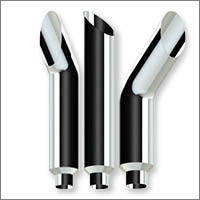
 Peterbilt 367 Chrome Stacks & Tops
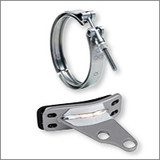 Peterbilt 367 Clamps, Brackets & Mounting
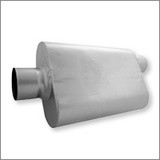 Peterbilt 367 DPF & Mufflers
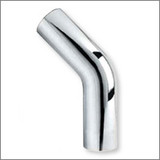 Peterbilt 367 Elbows, Piping & Comp.