


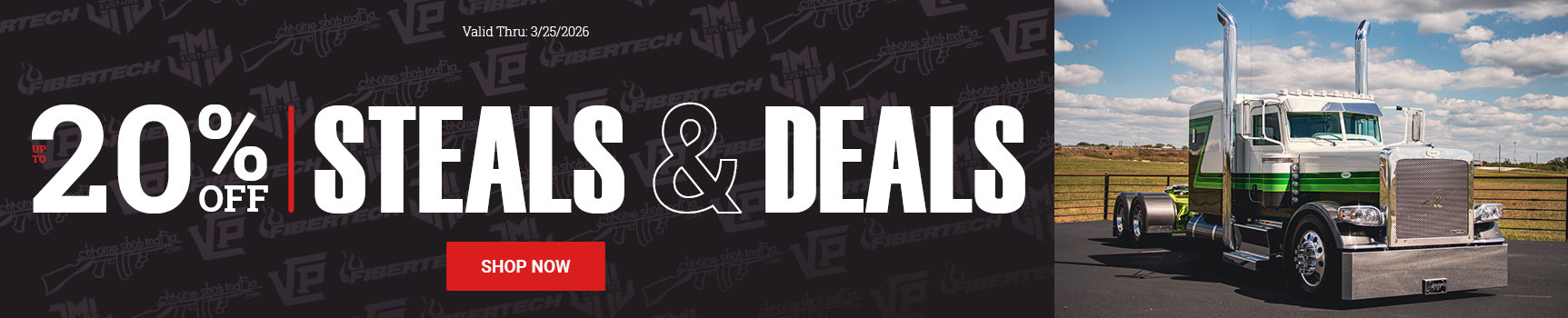
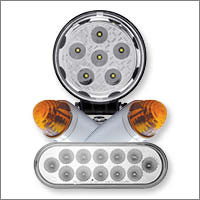
Kenworth T800 Lights
Kenworth T800 Lights
Frequently Asked Questions About Kenworth T800 Lights
What years and models of Kenworth T800 are these lights compatible with?
Most aftermarket lights for the Kenworth T800 are designed to fit models from 1987 through 2015, though specific compatibility varies by light type. Headlights typically fit all T800 models with rectangular sealed beam setups (pre-2005) or newer composite assemblies (2005-2015). Always check the product description for your specific year, as mounting brackets and wiring harnesses can differ between early models (1987-2004) and later models (2005-2015). Hood-mounted lights and cab lights generally have universal fitment across all T800 years.
Are LED upgrades worth it over standard halogen lights, and will they work with my T800's electrical system?
LED upgrades typically provide 3-5 times longer lifespan (50,000+ hours vs 10,000 hours) and use 60-80% less power than halogen bulbs, making them cost-effective long-term. Most LED lights are designed to work with standard 12V systems without modifications. However, some older T800s (pre-2000) may experience hyperflashing with LED turn signals, which requires adding load resistors or an LED-compatible flasher relay. For headlights, ensure you choose DOT-approved LED units with proper beam patterns to avoid blinding other drivers and stay legal.
How difficult is it to install aftermarket lights on a T800, and what tools do I need?
Basic light replacements like marker lights and turn signals typically take 15-30 minutes per light and require only basic hand tools (screwdrivers, socket set, wire strippers). Headlight conversions are more involved, taking 1-2 hours and may require removing the grille and headlight buckets. For auxiliary lights like light bars or additional fog lights, expect 2-4 hours of installation time, as you'll need to run new wiring, install switches, and possibly drill mounting holes. Most installations can be done with standard tools, though a multimeter helps verify connections and a heat gun assists with shrink tubing.
What's the difference between DOT-approved and off-road lights, and which do I need?
DOT-approved lights meet federal standards for on-highway use and feature proper beam patterns, brightness levels, and amber/red color requirements for marker lights. These are required for all lights used on public roads. Off-road lights, including light bars and auxiliary spotlights, typically produce more intense, focused beams but are illegal for highway use and must be covered or switched off on public roads. For your T800, all primary lighting (headlights, turn signals, marker lights) must be DOT-approved, while work lights and auxiliary lighting for job sites can be off-road rated.
Why do my new lights flicker or not work properly after installation?
Flickering usually indicates a ground issue (most common), incompatible voltage, or incorrect load resistance with LEDs. First, check and clean all ground connections - corroded grounds cause 80% of lighting issues on older T800s. Ensure you're using proper gauge wiring (typically 16-18 AWG for marker lights, 12-14 AWG for headlights). If LED lights hyperflash or don't illuminate fully, you may need load resistors or an electronic flasher. For persistent issues, check voltage at the socket with a multimeter - you should see 12-14V with the engine running. Low voltage often points to failing alternator or bad connections in the main harness.