


Kenworth T800 Fuel Tanks
- Product
- Qty in Cart
- Quantity
- Price
- Subtotal
-
FREE SHIPPING OVER $249

BESTfit 2 Inch Wide Rubber Fuel Tank Strap Liner W/ Lip - Sold Per Foot
BESTFIT TRUCK PARTS
$7.862 Inch Wide Fuel Tank Strap Backing With Lip Sold By The Foot By BESTfitEnsure long-lasting protection for your fuel tank straps with the BESTfit 2 Inch Wide Rubber Strap Liner with Lip. Its 2-inch...09-060101- SKU:
- 09-060101
- Truck Class:
- Heavy Duty
- Width Options:
- 2 Inch
- Material Options:
- Rubber
- Product Type:
- Fuel Tanks
- Make:
- Universal Items
- Color:
- Black
- Ready To Ship:
- Yes
$7.86Qty in Cart: 0Price:$7.86Subtotal: -
FREE SHIPPING OVER $249

Black Neoprene Rubber Fuel Tank Bib
AFTERMARKET
$18.61Fuel Tank Protector Fits Most Tanks* High Quality Fuel Tank Bib* Made Of Black 3/16 Inch Neoprene Rubber* Protect Your Tanks, Save Your Shine.* Designed To Keep Your Fuel Cap From Rubbing or...09-060307- SKU:
- 09-060307
- Truck Class:
- Universal
- Material Options:
- Rubber
- Make:
- Universal Items
- Product Type:
- Fuel Tanks
- Color:
- Black
- Ready To Ship:
- Yes
$18.61Qty in Cart: 0Price:$18.61Subtotal: -

BESTfit Black Steel Fuel Tank Lower J Mounting Bracket Replaces K85-1005-1, K8510051, K237-625, K23762 For Kenworth W/ 24.5 Inch Diameter Tanks
BESTFIT TRUCK PARTS
$215.99Black Lower J Mounting Bracket By BESTfitMaintain proper alignment and support for your Kenworth's 24.5-inch fuel tank with the BESTfit Black Steel Fuel Tank Lower J Mounting Bracket. Constructed...02-0601004- SKU:
- 02-0601004
- Truck Class:
- Heavy Duty
- Color:
- Black
- Material Options:
- Steel
- Make:
- Kenworth
- Product Type:
- Fuel Tanks
- Ready To Ship:
- Yes
- Length Options:
- 34 1/2 Inch
- Width Options:
- 7 1/4 Inch
- Position:
- Passenger Side
- Diameter Options:
- 24 1/2 Inch
$215.99Qty in Cart: 0Price:$215.99Subtotal: -
FREE SHIPPING OVER $249

BESTfit 3.5 Inch Aluminum Vented Non Locking Fuel Cap Replaces A03-12927-4, K071-398 For Kenworth
BESTFIT TRUCK PARTS
$55.993.5 Inch Vented Fuel Cap- Non Locking By BESTfitKeep your Kenworth fuel system protected with the BESTfit 3.5 Inch Aluminum Vented Non-Locking Fuel Cap, designed to replace A03-12927-4 and K071-398...02-060300- SKU:
- 02-060300
- Truck Class:
- Heavy Duty
- Material Options:
- Aluminum
- Make:
- Kenworth
- Product Type:
- Fuel Tanks
- Diameter Options:
- 3 1/2 Inch
- Ready To Ship:
- Yes
- Style Options:
- Vented
- Location:
- Made In USA
$55.99Qty in Cart: 0Price:$55.99Subtotal: -
FREE SHIPPING OVER $249

BESTfit 3.5 Inch Aluminum Weld In Tank Filler Neck For Kenworth
BESTFIT TRUCK PARTS
$55.333.5 Inch Tank Filler Neck- Weld In By BESTfit4 State Trucks offers this quality Kenworth Style tank filler neck. It connects the fuel filler port to the fuel tank and provides a path for the fuel to...02-060302- SKU:
- 02-060302
- Truck Class:
- Heavy Duty
- Make:
- Kenworth
- Material Options:
- Aluminum
- Product Type:
- Fuel Tanks
- Diameter Options:
- 3 1/2 Inch
- Ready To Ship:
- Yes
$55.33Qty in Cart: 0Price:$55.33Subtotal: -
FREE SHIPPING OVER $249

Isspro Fuel Sender Replaces Q21-1024-622, 5549-10714-24 For Kenworth W/ 24 Inch Diameter Tanks
ISSPRO
$111.9924.5 Inch Tank Fuel Sender By IssproOur Fuel Level Sender is designed to elevate your fuel monitoring for 24" diameter round tanks, with a resistance range of 240-33 ohms. This sender tailors its...29-060300- SKU:
- 29-060300
- Truck Class:
- Heavy Duty
- Location:
- Made In USA
- Style Options:
- Tube
- Make:
- Kenworth
- Product Type:
- Fuel Tanks
- Ready To Ship:
- Yes
$111.99Qty in Cart: 0Price:$111.99Subtotal: -
FREE SHIPPING OVER $249

Diesel Fuel Tank Safety Vent, 1/2 In. NPT, 5/16 In. Hose Barb
VELVAC
$32.431/2 Inch Fuel Tank Safety Vent* High Quality Fuel Tank Safety Vent* Patented Anti-Spill Protection* Vents Meet All Applicable DOT Requirements* Diesel Only* Dimensions: - 1.468 Inch Height - 0.187...09-060302- SKU:
- 09-060302
- Diameter Options:
- 1/2 Inch
- Truck Class:
- Universal
- Make:
- Universal Items
- Product Type:
- Fuel Tanks
- Ready To Ship:
- Yes
$32.43Qty in Cart: 0Price:$32.43Subtotal: -
FREE SHIPPING OVER $249

BESTfit 3 Inch Wide Rubber Fuel Tank Strap Liner W/ Lip - Sold Per Foot
BESTFIT TRUCK PARTS
$20.943 Inch Fuel Tank Strap Insulator With Lip By BESTfitPrevent metal-to-metal contact and safeguard your fuel tank with our BESTfit non-slip ribbed rubber fuel tank strap liner with a lip. This 3-inch...09-060100- SKU:
- 09-060100
- Width Options:
- 3 Inch
- Material Options:
- Rubber
- Make:
- Universal Items
- Truck Class:
- Heavy Duty
- Product Type:
- Fuel Tanks
- Ready To Ship:
- Yes
$20.94Qty in Cart: 0Price:$20.94Subtotal: -

BESTfit Aluminum Fuel Tank 120 Gallon- 24.5 X 60 Inch- Rear Fill W/ Center Manifold For Kenworth 2007 And Earlier
BESTFIT TRUCK PARTS
$664.99Choose Option(s) to see description.Fitment* Fits Kenworth K100C 1968 thru 1983* Fits Kenworth K100 Cabover 1961 thru 1967* Fits Kenworth K100E 1985 thru 1992* Fits Kenworth T800 1986 thru 2007* Fits...PPR_4895- SKU:
- PPR_4895
- Capacity:
- 120 Gallons
- Position:
- Rear Fill
- Diameter Options:
- 24 1/2 Inch
- Truck Class:
- Heavy Duty
- Shape Options:
- Cylindrical
- Material Options:
- Aluminum
- Make:
- Kenworth
- Product Type:
- Fuel Tanks
- Ready To Ship:
- Yes
- Size Options:
- 11 Gauge
- Position:
- Driver Side
- Position:
- Passenger Side
- Length Options:
- 62 Inch
- Type Options:
- Rear Fill
$664.99Qty in Cart: 0Price:$664.99Subtotal: -
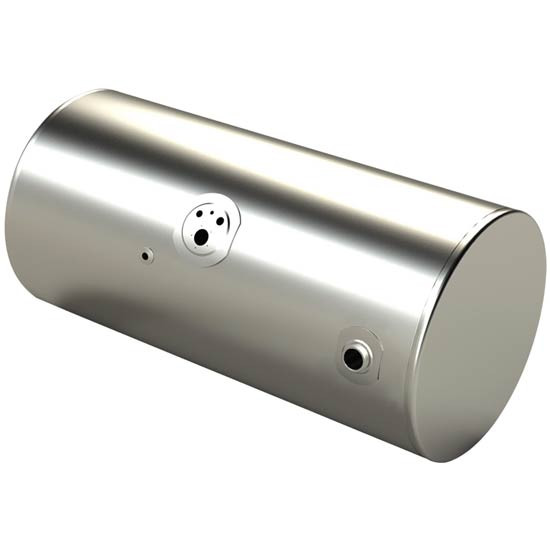
BESTfit Aluminum Fuel Tank 100 Gallon- 24.5 X 50 Inch- Rear Fill For Kenworth Center Manifold 2008+
BESTFIT TRUCK PARTS
$659.99This BestFit 24.5 X 50 inch 100 gallon rear fill Fuel Tank is manufactured to OE specifications with the same materials as used in OE manufacturing, is rigorously tested under FMSCA regulations and...PPR_22587- SKU:
- PPR_22587
- Diameter Options:
- 24 1/2 Inch
- Capacity:
- 100 Gallons
- Position:
- Rear Fill
- Length Options:
- 48 Inch
- Truck Class:
- Heavy Duty
- Material Options:
- Aluminum
- Shape Options:
- Cylindrical
- Make:
- Kenworth
- Product Type:
- Fuel Tanks
- Ready To Ship:
- Yes
- Size Options:
- 11 Gauge
- Position:
- Passenger Side
- Position:
- Driver Side
- Type Options:
- Rear Fill
$659.99Qty in Cart: 0Price:$659.99Subtotal: -
FREE SHIPPING OVER $249
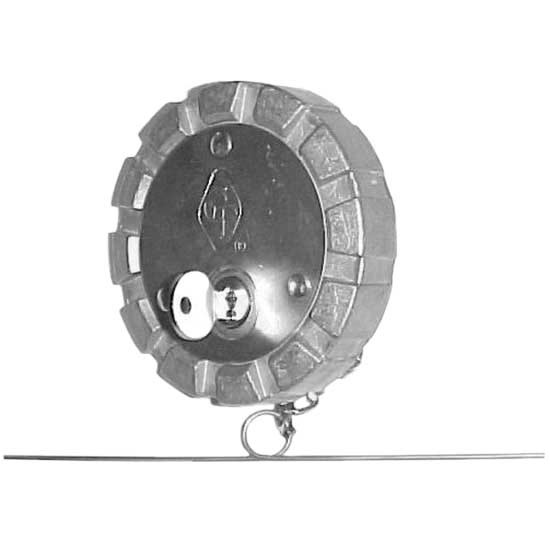
BESTfit 3.5 Inch Aluminum Locking Fuel Cap Replaces 572.1036 For Kenworth
BESTFIT TRUCK PARTS
$61.993.5 Inch Fuel Cap- Locking By BESTfitThis locking fuel cap is made of aluminum with a mill finish, and comes with a safety chain and crossbar. It meets the 49 CFR 393.67 requirements for vehicles...02-060301- SKU:
- 02-060301
- Truck Class:
- Heavy Duty
- Material Options:
- Aluminum
- Make:
- Kenworth
- Product Type:
- Fuel Tanks
- Ready To Ship:
- Yes
- Finish Options:
- Mill Finish
- Diameter Options:
- 3 3/8 Inch
- Style Options:
- Locking
- Location:
- Made In USA
$61.99Qty in Cart: 0Price:$61.99Subtotal: -

BESTfit Aluminum Auxiliary Fuel Tank 42 Gallon- 19 X 38 Inch- Front Fill W/ Kenworth Style Neck For Kenworth
BESTFIT TRUCK PARTS
$339.99This Fuel Tank is manufactured to OE specifications with the same materials as used in OE manufacturing, is rigorously tested under FMSCA regulations and ISO certified. We're so confident in the...PPR_22613- SKU:
- PPR_22613
- Truck Class:
- Heavy Duty
- Capacity:
- 42 Gallons
- Position:
- Front Fill
- Shape Options:
- Cylindrical
- Material Options:
- Aluminum
- Make:
- Kenworth
- Make:
- Universal Items
- Make:
- Universal
- Product Type:
- Fuel Tanks
- Type Options:
- Front Fill
- Size Options:
- 11 Gauge
- Position:
- Passenger Side
- Position:
- Driver Side
- Ready To Ship:
- Yes
- Length Options:
- 39 Inch
- Diameter Options:
- 19 1/2 Inch
$339.99Qty in Cart: 0Price:$339.99Subtotal: -

BESTfit Aluminum Auxiliary Fuel Tank 45 Gallon- 19 X 36 Inch- Front Fill
BESTFIT TRUCK PARTS
$750.9945 Gallon 19 X 36 Inch Aluminum Auxiliary Fuel Tank- Front Fill By BESTfitThis 19 X 36 Inch 45 Gallon BESTfit Front Fill Fuel Tank Is Manufactured To OE Specifications With The Same Materials As Used...09-0600045- SKU:
- 09-0600045
- Capacity:
- 45 Gallons
- Position:
- Front Fill
- Diameter Options:
- 19 Inch
- Truck Class:
- Universal
- Shape Options:
- Cylindrical
- Material Options:
- Aluminum
- Make:
- Universal Items
- Product Type:
- Fuel Tanks
- Length Options:
- 38 Inch
- Size Options:
- 11 Gauge
- Type Options:
- Front Fill
- Ready To Ship:
- Yes
$750.99Qty in Cart: 0Price:$750.99Subtotal: -
FREE SHIPPING OVER $249

Standard Flow Return Flow Splitter For Peterbilt, Kenworth, Ford, Sterling & Freightliner
VELVAC
$48.65Return Flow Splitter- Standard FlowImprove fuel distribution with the Standard Flow Return Flow Splitter, engineered for Peterbilt, Kenworth, Ford, Sterling, and Freightliner trucks. This...29-060304- SKU:
- 29-060304
- Truck Class:
- Heavy Duty
- Style Options:
- Standard
- Material Options:
- Steel
- Make:
- Kenworth
- Make:
- Freightliner
- Make:
- Peterbilt
- Make:
- Ford
- Make:
- Sterling
- Product Type:
- Fuel Tanks
- Ready To Ship:
- Yes
$48.65Qty in Cart: 0Price:$48.65Subtotal: -
FREE SHIPPING OVER $249

BESTfit Steel & Plastic Fuel Sender W/ Gasket & 2 Spade Terminals 24.5 Inch Diameter For Kenworth Replaces Q21-1024-622
BESTFIT TRUCK PARTS
$212.9924.5 Inch Diameter Steel & Plastic Fuel Sender W/ Gasket & 2 Spade Terminals By BESTfit Replaces Q21-1024-622 Fits KenworthKeep your fuel gauge readings accurate with Dorman's Fuel Tank Sending Unit...02-060306- SKU:
- 02-060306
- Truck Class:
- Heavy Duty
- Make:
- Kenworth
- Material Options:
- Steel
- Product Type:
- Fuel Tanks
- Ready To Ship:
- Yes
- Diameter Options:
- 24 1/2 Inch
- Location:
- Made In USA
$212.99Qty in Cart: 0Price:$212.99Subtotal: -

BESTfit 2 Inch Wide Stainless Steel Fuel Tank Strap With Step Bracket - K84-1013-005 For Kenworth 24.5 Inch Fuel Tank
BESTFIT TRUCK PARTS
$70.99 - $84.99Choose Option(s) to see description.Fitment* Fits Kenworth K100E 1987 thru 2000* Fits Kenworth T2000 1996 thru 2010* Fits Kenworth T300 1995 thru 2007* Fits Kenworth T370 2013 thru 2011* Fits...PPR_298938- SKU:
- PPR_298938
- Material Options:
- Stainless Steel
- Width Options:
- 2 Inch
- Truck Class:
- Heavy Duty
- Make:
- Kenworth
- Product Type:
- Fuel Tanks
- Ready To Ship:
- Yes
- Diameter Options:
- 24 1/2 Inch
$70.99 - $84.99Qty in Cart: 0Price:$70.99 - $84.99Subtotal: -

BESTfit Aluminum Fuel Tank 100 Gallon- 24.5 X 50 Inch- Front Fill W/ Center Manifold For Kenworth
BESTFIT TRUCK PARTS
$611.99This BestFit Fuel Tank is manufactured to OE specifications with the same materials as used in OE manufacturing, is rigorously tested under FMSCA regulations and ISO certified. We are so confident in...PPR_4956- SKU:
- PPR_4956
- Capacity:
- 100 Gallons
- Position:
- Front Fill
- Diameter Options:
- 24 1/2 Inch
- Truck Class:
- Heavy Duty
- Material Options:
- Aluminum
- Shape Options:
- Cylindrical
- Make:
- Kenworth
- Product Type:
- Fuel Tanks
- Ready To Ship:
- Yes
- Position:
- Passenger Side
- Position:
- Driver Side
- Type Options:
- Front Fill
- Size Options:
- 11 Gauge
$611.99Qty in Cart: 0Price:$611.99Subtotal: -
FREE SHIPPING OVER $249

BESTfit Stainless Steel Fuel Tank Strap- 45.25 X 2 Inch Replaces K84-1013-006 For Kenworth W/ 24.5 Inch Diameter Tanks
BESTFIT TRUCK PARTS
$104.9945.25 X 2 Inch Fuel Tank Strap By BESTfitThis 2 inch wide Stainless Steel Fuel Tank Strap for Kenworth 24.5 Tanks provides a perfect fit with stock tank brackets. With a length of 45.25 inches, it...02-0601001- SKU:
- 02-0601001
- Truck Class:
- Heavy Duty
- Width Options:
- 2 Inch
- Material Options:
- Stainless Steel
- Make:
- Kenworth
- Product Type:
- Fuel Tanks
- Length Options:
- 45 Inch
- Ready To Ship:
- Yes
- Diameter Options:
- 24 1/2 Inch
- Finish Options:
- Satin
$104.99Qty in Cart: 0Price:$104.99Subtotal: -
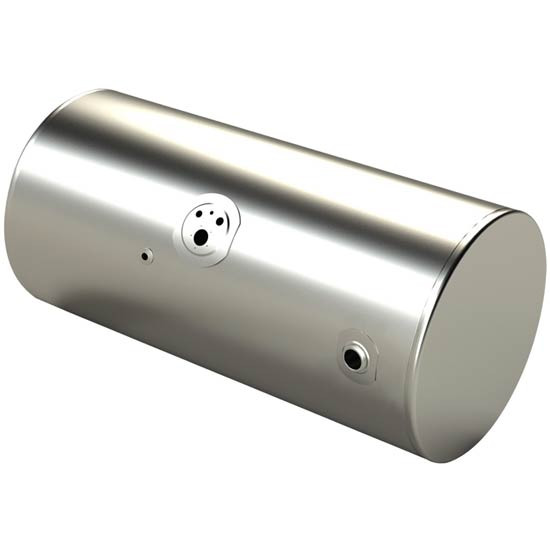
BESTfit Aluminum Fuel Tank 150 Gallon- 24.5 X 74 Inch- Rear Fill W/ Front Manifold & Pickup Tubes For Kenworth
BESTFIT TRUCK PARTS
$1,049.99 - $1,056.99This Fuel Tank is manufactured to OE specifications with the same materials as used in OE manufacturing, is rigorously tested under FMSCA regulations and ISO certified. We're so confident in the...PPR_22603- SKU:
- PPR_22603
- Diameter Options:
- 24 1/2 Inch
- Capacity:
- 150 Gallons
- Position:
- Rear Fill
- Length Options:
- 72 Inch
- Truck Class:
- Heavy Duty
- Shape Options:
- Cylindrical
- Material Options:
- Aluminum
- Make:
- Kenworth
- Product Type:
- Fuel Tanks
- Ready To Ship:
- Yes
- Position:
- Driver Side
- Type Options:
- Rear Fill
- Size Options:
- 11 Gauge
- Position:
- Passenger Side
$1,049.99 - $1,056.99Qty in Cart: 0Price:$1,049.99 - $1,056.99Subtotal: -
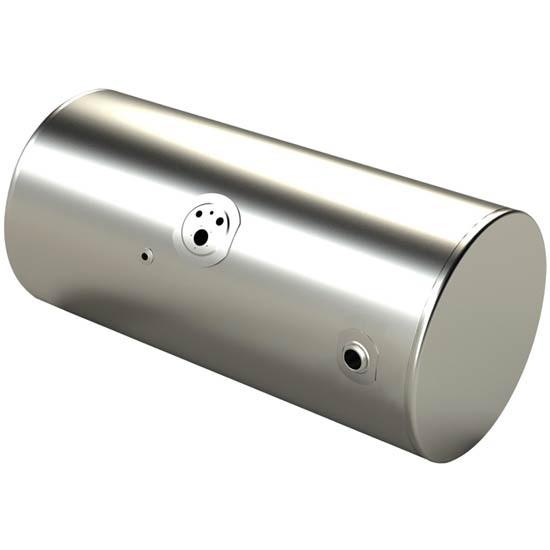
BESTfit Aluminum Fuel Tank 150 Gallon- 24.5 X 74 Inch- Rear Fill W/ Front Manifold For Kenworth
BESTFIT TRUCK PARTS
$967.99 - $968.99Fuel your long hauls with confidence using the BESTfit Aluminum Fuel Tank, designed for Kenworth trucks. With a generous 150-gallon capacity and measuring 24.5 by 74 inches, this rear-fill tank with...PPR_4911- SKU:
- PPR_4911
- Diameter Options:
- 24 1/2 Inch
- Capacity:
- 150 Gallons
- Position:
- Rear Fill
- Truck Class:
- Heavy Duty
- Material Options:
- Aluminum
- Shape Options:
- Cylindrical
- Make:
- Kenworth
- Product Type:
- Fuel Tanks
- Ready To Ship:
- Yes
- Position:
- Driver Side
- Length Options:
- 72 Inch
- Finish Options:
- Polished
- Size Options:
- 11 Gauge
- Style Options:
- Rear Fill
- Position:
- Passenger Side
- Type Options:
- Rear Fill
$967.99 - $968.99Qty in Cart: 0Price:$967.99 - $968.99Subtotal: