


Kenworth T680 Exhaust Parts
- Product
- Qty in Cart
- Quantity
- Price
- Subtotal
-
FREE SHIPPING OVER $249

5 Inch Band Clamp Stainless Steel Pre-Formed by TPHD
TPHD
$11.31Pre-Formed Band Clamp, Replaces 11ME229P6Effectively connect exhaust system components with this high quality band clamp. Made of polished stainless steel, it is corrosion and heat resistant. The...09-0800010- SKU:
- 09-0800010
- Truck Class:
- Heavy Duty
- Diameter Options:
- 5 Inch
- Material Options:
- Stainless Steel
- Make:
- Universal Items
- Finish Options:
- Polished
- Product Type:
- Exhaust
- Style Options:
- Pre-Formed
- Ready To Ship:
- Yes
$11.31Qty in Cart: 0Price:$11.31Subtotal: -

5 Inch Chrome Curve Turn Out Exhaust Stack Top By BESTfit
BESTFIT TRUCK PARTS
$63.99 - $607.99Are you looking to change up your exhaust system? Stop searching, 4 State Trucks have you covered. With the ability to add a sleek and style design to your truck, you also get that dependability and...PPR_202124- SKU:
- PPR_202124
- Truck Class:
- Universal
- Diameter Options:
- 5 Inch
- Style Options:
- Curve Turn
- Material Options:
- Steel
- Make:
- Universal Items
- Finish Options:
- Chrome-Plated
- Product Type:
- Exhaust
- Height Options:
- 108 Inch
- Height Options:
- 84 Inch
- Height Options:
- 120 Inch
- Height Options:
- 72 Inch
- Height Options:
- 12 Inch
- Height Options:
- 48 Inch
- Height Options:
- 24 Inch
- Height Options:
- 36 Inch
- Height Options:
- 60 Inch
- Height Options:
- 18 Inch
- Height Options:
- 96 Inch
- Height Options:
- 53 Inch
- Ready To Ship:
- Yes
$63.99 - $607.99Qty in Cart: 0Price:$63.99 - $607.99Subtotal: -

BESTfit 6 To 5 Inch Chrome Miter Cut Exhaust Stack
BESTFIT TRUCK PARTS
$141.99 - $504.99Give your truck a sleek, professional look while improving exhaust efficiency with the BESTfit 6 to 5 Inch Chrome Miter Cut Exhaust Stack. Available in a variety of lengths from 36 to 120 inches,...PPR_202128- SKU:
- PPR_202128
- Truck Class:
- Universal
- Style Options:
- Miter Cut
- Material Options:
- Steel
- Make:
- Universal Items
- Finish Options:
- Chrome-Plated
- Product Type:
- Exhaust
- Height Options:
- 120 Inch
- Height Options:
- 72 Inch
- Height Options:
- 108 Inch
- Height Options:
- 114 Inch
- Height Options:
- 84 Inch
- Height Options:
- 96 Inch
- Height Options:
- 36 Inch
- Diameter Options:
- 6-5 Inch
- Height Options:
- 60 Inch
- Height Options:
- 48 Inch
- Diameter Options:
- 6 To 5 Inch
- Ready To Ship:
- Yes
$141.99 - $504.99Qty in Cart: 0Price:$141.99 - $504.99Subtotal: -
On SaleFREE SHIPPING OVER $249Limited Quantity Available
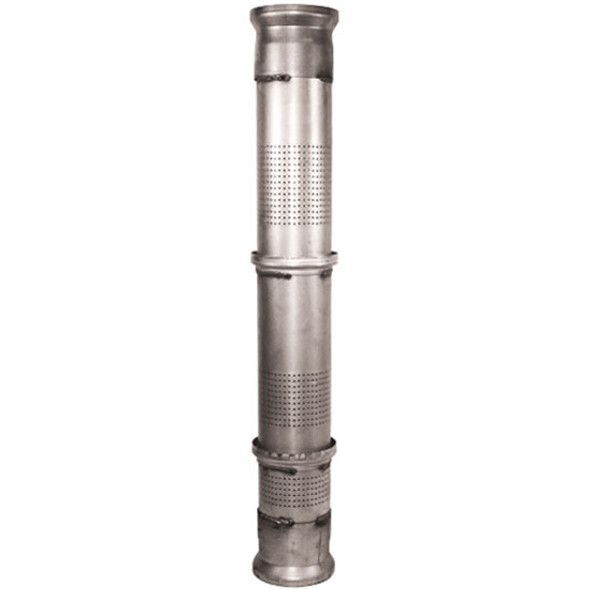
BESTfit Internal Muffler Inserts For 5in, 6in, 7in & 8in Stacks
BESTFIT TRUCK PARTS
$144.49 - $193.99Reduce exhaust noise and extend stack life with BESTfit Internal Muffler Inserts for 5-, 6-, 7-, and 8-inch stacks. Crafted for optimal airflow and precision fit, these inserts replace OEM parts...PPR_894- SKU:
- PPR_894
- Truck Class:
- Universal
- Length Options:
- 39 Inch
- Make:
- Universal Items
- Finish Options:
- Chrome-Plated
- Material Options:
- Steel
- Truck Class:
- Heavy Duty
- Product Type:
- Exhaust
- Diameter Options:
- 7 Inch
- Diameter Options:
- 6 Inch
- Material Options:
- Aluminized Steel
- Diameter Options:
- 5 Inch
- Ready To Ship:
- Yes
$144.49 - $193.99Qty in Cart: 0Price:$144.49 - $193.99Subtotal: -
FREE SHIPPING OVER $249

Stainless Steel Exhaust Clamp Bracket W/ 2 Bolt Mount
UNITED PACIFIC
$59.99 - $85.99The Stainless Steel Exhaust Clamp Bracket with 2-bolt mount design is built as a solution for securing exhaust components. Manufactured from stainless steel, it is intended to provide strong...PPR_204409- SKU:
- PPR_204409
- Material Options:
- Stainless Steel
- Make:
- Universal Items
- Diameter Options:
- 6 Inch
- Diameter Options:
- 5 Inch
- Diameter Options:
- 8 Inch
- Diameter Options:
- 7 Inch
- Truck Class:
- Heavy Duty
- Product Type:
- Exhaust
- Ready To Ship:
- Yes
$59.99 - $85.99Qty in Cart: 0Price:$59.99 - $85.99Subtotal: -

BESTfit 6- 5 Inch Chrome Curve Turn Out Exhaust Stack
BESTFIT TRUCK PARTS
$148.99 - $538.99The BESTfit 6-to-5 Inch Chrome Curve Turn Out Exhaust Stack combines practical exhaust function with eye-catching chrome appeal. Its curved turn out design improves exhaust direction, while the 6 to...PPR_202127- SKU:
- PPR_202127
- Truck Class:
- Universal
- Style Options:
- Curve Turn
- Material Options:
- Steel
- Make:
- Universal Items
- Finish Options:
- Chrome-Plated
- Product Type:
- Exhaust
- Height Options:
- 108 Inch
- Height Options:
- 120 Inch
- Height Options:
- 84 Inch
- Height Options:
- 96 Inch
- Height Options:
- 48 Inch
- Height Options:
- 72 Inch
- Diameter Options:
- 6-5 Inch
- Height Options:
- 60 Inch
- Height Options:
- 36 Inch
- Diameter Options:
- 6 To 5 Inch
- Ready To Ship:
- Yes
$148.99 - $538.99Qty in Cart: 0Price:$148.99 - $538.99Subtotal: -
FREE SHIPPING OVER $249
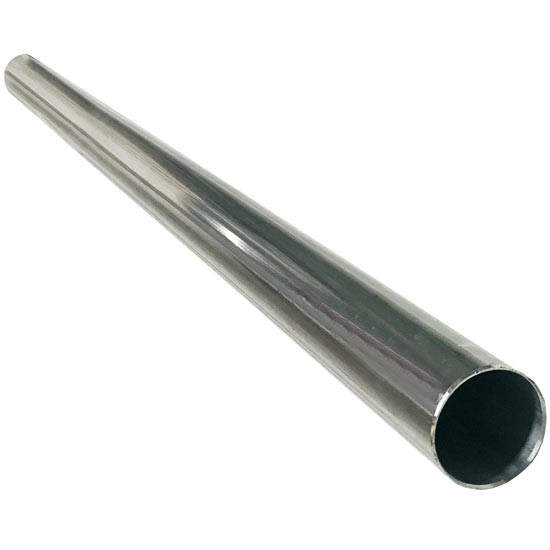
BESTfit 5 Inch Aluminized Exhaust Tubing Sold By Foot
BESTFIT TRUCK PARTS
$13.46 - $185.99This 5?inch aluminized exhaust tubing sold by the foot gives you a flexible way to build or repair heavy?duty exhaust systems using straight sections of aluminized steel with a 5? outer diameter. You...PPR_201902- SKU:
- PPR_201902
- Diameter Options:
- 5 Inch
- Truck Class:
- Heavy Duty
- Material Options:
- Aluminized Steel
- Make:
- Universal Items
- Product Type:
- Exhaust
- Length Options:
- 36 Inch
- Style Options:
- Straight Style
- Length Options:
- 12 Inch
- Length Options:
- 72 Inch
- Height Options:
- 2 3/4 Inch
- Length Options:
- 7 1/2 Inch
- Length Options:
- 120 Inch
- Size Options:
- 16 Gauge
- Ready To Ship:
- Yes
$13.46 - $185.99Qty in Cart: 0Price:$13.46 - $185.99Subtotal: -
FREE SHIPPING OVER $249

9 Inch Diameter Short Galvanized Exhaust Muffler 5 ID / 5 ID X 12 Inch Body Length by BESTfit
BESTFIT TRUCK PARTS
$94.99BESTfit 9 x 12 Inch Muffler W/ 5 Inch ID Inlet & OutletTransform your truck's exhaust system with the BESTfit 9 X 12 Inch Short Galvanized Exhaust Muffler, featuring a 5 Inch ID inlet and outlet for...09-080201- SKU:
- 09-080201
- Truck Class:
- Universal
- Material Options:
- Steel
- Make:
- Universal Items
- Finish Options:
- Galvanized
- Diameter Options:
- 9 Inch
- Length Options:
- 12 Inch
- Product Type:
- Exhaust
- Ready To Ship:
- Yes
$94.99Qty in Cart: 0Price:$94.99Subtotal: -
FREE SHIPPING OVER $249

BESTfit 5 Inch Chrome Miter Cut Exhaust Stack
BESTFIT TRUCK PARTS
$49.99 - $635.99Are you looking to enhance your exhaust system? Stop searching, 4 State Trucks have you covered. With the ability to add more sleekness and style to your truck, you also get that premium performance...PPR_202123- SKU:
- PPR_202123
- Truck Class:
- Universal
- Diameter Options:
- 5 Inch
- Style Options:
- Miter Cut
- Material Options:
- Steel
- Make:
- Universal Items
- Finish Options:
- Chrome-Plated
- Product Type:
- Exhaust
- Height Options:
- 48 Inch
- Ready To Ship:
- Yes
- Height Options:
- 24 Inch
- Height Options:
- 84 Inch
- Height Options:
- 108 Inch
- Height Options:
- 60 Inch
- Height Options:
- 72 Inch
- Type Options:
- Angled
- Height Options:
- 36 Inch
- Height Options:
- 96 Inch
$49.99 - $635.99Qty in Cart: 0Price:$49.99 - $635.99Subtotal: -
FREE SHIPPING OVER $249

TPHD Chrome U-Bolt Saddle Clamps
TPHD
$10.19 - $11.28Secure your exhaust system with this chrome plated steel exhaust saddle clamp designed for heavy-duty truck applications. Built from steel with a chrome-plated finish, this aftermarket replacement...PPR_204350- SKU:
- PPR_204350
- Truck Class:
- Universal
- Material Options:
- Steel
- Make:
- Universal Items
- Finish Options:
- Chrome-Plated
- Truck Class:
- Heavy Duty
- Product Type:
- Exhaust
- Style Options:
- Heavy Duty
- Diameter Options:
- 5 Inch
- Diameter Options:
- 6 Inch
- Type Options:
- Flat Mount
- Ready To Ship:
- Yes
$10.19 - $11.28Qty in Cart: 0Price:$10.19 - $11.28Subtotal: -
FREE SHIPPING OVER $249

5 Inch ID Stainless Steel Exhaust Flex Pipe
AFTERMARKET
$99.99 - $164.99Refresh your exhaust system with a 5-inch ID stainless steel flex pipe designed for universal applications. Built from stainless steel, this flex pipe is engineered to help absorb engine vibration...PPR_202898- SKU:
- PPR_202898
- Diameter Options:
- 5 Inch
- Truck Class:
- Universal
- Truck Class:
- Heavy Duty
- Make:
- Universal Items
- Product Type:
- Exhaust
- Length Options:
- 48 Inch
- Length Options:
- 36 Inch
- Material Options:
- Stainless Steel
- Length Options:
- 60 Inch
- Location:
- Made In USA
- Ready To Ship:
- Yes
$99.99 - $164.99Qty in Cart: 0Price:$99.99 - $164.99Subtotal: -
FREE SHIPPING OVER $249

10 Inch Diameter Performance Shorty Muffler 5 Inch ID / ID X 30 Inch OAL by BESTfit
BESTFIT TRUCK PARTS
$198.99BESTfit 30 Inch Performance Shorty MufflerEnhance your truck's performance with the BESTfit 10 X 30 Inch Performance Shorty Muffler, engineered for maximum efficiency and power. This high-quality...09-080207- SKU:
- 09-080207
- Truck Class:
- Universal
- Material Options:
- Steel
- Make:
- Universal Items
- Length Options:
- 30 Inch
- Diameter Options:
- 5 Inch
- Product Type:
- Exhaust
$198.99Qty in Cart: 0Price:$198.99Subtotal: -
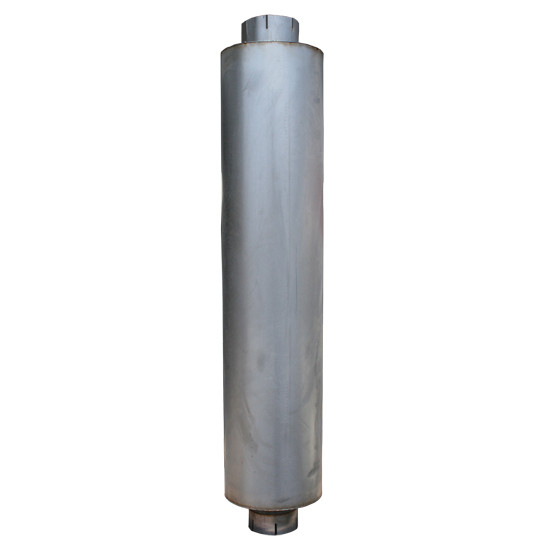
10 Inch Diameter Muffler 5 ID X 51 Inch OAL- Replaces 04-21774-001 by BESTfit
BESTFIT TRUCK PARTS
$117.99BESTfit 10 Inch Diameter Muffler With 5 Inch Inlet & OutletOptimize your exhaust system with the BESTfit 10 Inch Diameter Muffler, featuring a 5-inch inlet and outlet for maximum efficiency. With a...29-080200- SKU:
- 29-080200
- Truck Class:
- Heavy Duty
- Material Options:
- Steel
- Make:
- Universal Items
- Finish Options:
- Chrome-Plated
- Diameter Options:
- 5 Inch
- Length Options:
- 51 Inch
- Product Type:
- Exhaust
- Ready To Ship:
- Yes
$117.99Qty in Cart: 0Price:$117.99Subtotal: -

Stainless Steel Exhaust Shields With Cutout Options
UNITED PACIFIC
$142.99 - $242.99Give your truck a polished custom appearance with this Stainless Steel Exhaust Shield featuring multiple cutout options. Designed for Peterbilt applications, these exhaust shields are constructed...PPR_204372- SKU:
- PPR_204372
- Truck Class:
- Universal
- Material Options:
- Steel
- Make:
- Universal Items
- Finish Options:
- Chrome-Plated
- Truck Class:
- Heavy Duty
- Product Type:
- Exhaust
- Ready To Ship:
- Yes
- Diameter Options:
- 5 Inch
- Material Options:
- Stainless Steel
- Diameter Options:
- 6 Inch
- Degree Options:
- 180
- Length Options:
- 48 Inch
- Diameter Options:
- 8 Inch
$142.99 - $242.99Qty in Cart: 0Price:$142.99 - $242.99Subtotal: -
FREE SHIPPING OVER $249

Stainless Steel Universal Exhaust Clamp
UNITED PACIFIC
$41.22 - $45.14Secure your exhaust system with this stainless steel universal exhaust clamp, designed to provide a reliable connection for compatible exhaust pipes. Manufactured from stainless steel, this narrow...PPR_204857- SKU:
- PPR_204857
- Truck Class:
- Universal
- Material Options:
- Stainless Steel
- Make:
- Universal Items
- Diameter Options:
- 6 Inch
- Diameter Options:
- 7 Inch
- Truck Class:
- Heavy Duty
- Product Type:
- Exhaust
- Ready To Ship:
- Yes
$41.22 - $45.14Qty in Cart: 0Price:$41.22 - $45.14Subtotal: -
FREE SHIPPING OVER $249

5 Inch Stainless Steel Flat Exhaust Band Clamp
TPHD
$14.41TPHD Stainless Flat Band Torca Style ClampSecurely join different sections of exhaust pipes with this 5 inch diameter easy seal flat band clamp. Made with high-quality stainless steel, this clamp...09-0800009- SKU:
- 09-0800009
- Diameter Options:
- 5 Inch
- Truck Class:
- Universal
- Material Options:
- Stainless Steel
- Make:
- Universal Items
- Product Type:
- Exhaust
- Ready To Ship:
- Yes
- Style Options:
- Flat
$14.41Qty in Cart: 0Price:$14.41Subtotal: -
FREE SHIPPING OVER $249

10 Inch Exhaust Shield Mounting Clamp For Kenworth
AUTOMANN USA
$71.99Steel Exhaust Shield Mounting Clamp For KenworthSecure your Kenworth T-Series exhaust shield with this high-quality 10-inch Exhaust Shield Mounting Clamp, engineered for durability and precise fit...02-0808008- SKU:
- 02-0808008
- Truck Class:
- Heavy Duty
- Diameter Options:
- 10 Inch
- Material Options:
- Steel
- Make:
- Kenworth
- Finish Options:
- Galvanized
- Product Type:
- Exhaust
- Ready To Ship:
- Yes
$71.99Qty in Cart: 0Price:$71.99Subtotal: -
FREE SHIPPING OVER $249

Stainless Steel Flat Straight Exhaust Cab Bracket
UNITED PACIFIC
$50.99Exhaust Stack Cab Bracket FlatEnhance the performance and aesthetics of your truck with the Lincoln Chrome Wide Straight Clamp, tailored for a 5-inch exhaust system. Crafted from chrome-plated...09-0800003- SKU:
- 09-0800003
- Truck Class:
- Heavy Duty
- Material Options:
- Stainless Steel
- Make:
- Peterbilt
- Finish Options:
- Polished
- Product Type:
- Exhaust
- Type Options:
- Flat Mount
- Style Options:
- Straight Style
- Ready To Ship:
- Yes
- Make:
- Universal Items
$50.99Qty in Cart: 0Price:$50.99Subtotal: -

BESTfit Chrome Miter Cut Exhaust Stack W/ Height & Inlet Options
BESTFIT TRUCK PARTS
$378.99 - $805.99Are you looking to enhance your exhaust system? Stop searching, 4 State Trucks have you covered. With the ability to add some more sleek and style to your truck, you also get the dependability and...PPR_202131- SKU:
- PPR_202131
- Truck Class:
- Universal
- Style Options:
- Miter Cut
- Material Options:
- Steel
- Make:
- Universal Items
- Finish Options:
- Chrome-Plated
- Truck Class:
- Heavy Duty
- Product Type:
- Exhaust
- Height Options:
- 108 Inch
- Height Options:
- 114 Inch
- Style Options:
- Micro/Mini
- Diameter Options:
- 7 To 5 Inch
- Height Options:
- 60 Inch
- Height Options:
- 96 Inch
- Height Options:
- 48 Inch
- Ready To Ship:
- Yes
$378.99 - $805.99Qty in Cart: 0Price:$378.99 - $805.99Subtotal: -
FREE SHIPPING OVER $249

Chrome Exhaust Grab Handle With Mounting Clamps
UNITED PACIFIC
$65.99 - $94.99Transform your exhaust system with the Chrome Exhaust Grab Handle. Designed for heavy-duty applications, this chrome-plated grab handle is available in multiple sizes to fit 5-inch, 6-inch, 7-inch,...PPR_204576- SKU:
- PPR_204576
- Truck Class:
- Universal
- Material Options:
- Steel
- Make:
- Universal Items
- Finish Options:
- Chrome-Plated
- Truck Class:
- Heavy Duty
- Product Type:
- Exhaust
- Diameter Options:
- 6 Inch
- Diameter Options:
- 5 Inch
- Length Options:
- 34 Inch
- Diameter Options:
- 7 Inch
- Diameter Options:
- 8 Inch
- Ready To Ship:
- Yes
- Length Options:
- 45 Inch
$65.99 - $94.99Qty in Cart: 0Price:$65.99 - $94.99Subtotal: -
FREE SHIPPING OVER $249

5 ID / OD Inch 90 Degree Chrome Exhaust Elbow by BESTfit
BESTFIT TRUCK PARTS
$133.99BESTfit Chrome Steel 90 Degree Exhaust Elbow, 5 Inch ID To 5 Inch ODThis BESTfit 90 degree exhaust elbow with one belled end is made of chrome plated steel. It is 9 inch L x 5 inch R with a 5 inch ID...09-0801502- SKU:
- 09-0801502
- Diameter Options:
- 5 Inch
- Truck Class:
- Universal
- Material Options:
- Steel
- Degree Options:
- 90
- Make:
- Universal Items
- Finish Options:
- Chrome-Plated
- Style Options:
- Elbow
- Length Options:
- 9 Inch
- Product Type:
- Exhaust
- Ready To Ship:
- Yes
$133.99Qty in Cart: 0Price:$133.99Subtotal: -

7 Inch OD Chrome West Coast Turn Out Exhaust Stack By BESTfit
BESTFIT TRUCK PARTS
$351.99 - $1,050.99Are you wanting heads to turn as you drive-by? 4 State Trucks have got you covered. With the ability to add some style, shine, and boldness to your truck, you also get the dependability and premium...PPR_202152- SKU:
- PPR_202152
- Truck Class:
- Heavy Duty
- Style Options:
- West Coast Turn
- Material Options:
- Steel
- Finish Options:
- Chrome-Plated
- Make:
- Universal Items
- Diameter Options:
- 7 Inch
- Product Type:
- Exhaust
- Height Options:
- 114 Inch
- Height Options:
- 108 Inch
- Height Options:
- 54 Inch
- Height Options:
- 48 Inch
- Height Options:
- 96 Inch
- Height Options:
- 36 Inch
- Height Options:
- 60 Inch
- Height Options:
- 102 Inch
- Height Options:
- 44 Inch
- Height Options:
- 68 Inch
- Ready To Ship:
- Yes
$351.99 - $1,050.99Qty in Cart: 0Price:$351.99 - $1,050.99Subtotal: -
FREE SHIPPING OVER $249
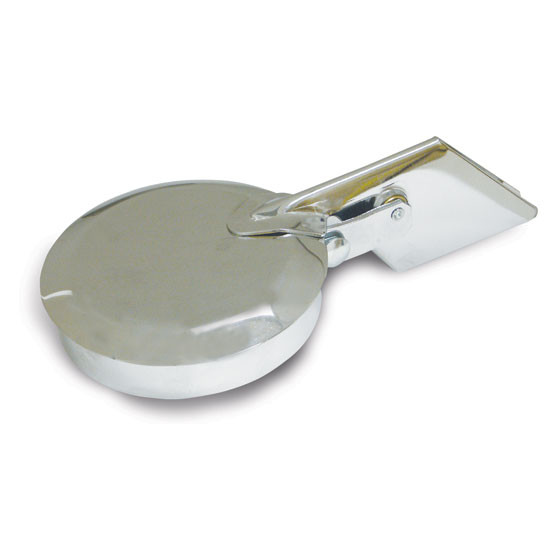
5 Inch Chrome Rain Cap For Flat Top Stack
GRAND GENERAL
$39.455 Inch Chrome Rain Cap For Flat Top Stack With Outside MountCover Your Flip Top Stack With This Quality Rain Cap By Grand General To Keep Precipitation And Foreign Objects From Entering Your Exhaust...09-0800005- SKU:
- 09-0800005
- Diameter Options:
- 5 Inch
- Truck Class:
- Universal
- Material Options:
- Steel
- Make:
- Universal Items
- Finish Options:
- Chrome-Plated
- Product Type:
- Exhaust
- Ready To Ship:
- Yes
$39.45Qty in Cart: 0Price:$39.45Subtotal: -
FREE SHIPPING OVER $249

BESTfit 7 Inch Stainless Steel Flat Exhaust Band Clamp Replaces E70ST, EZ7SS
BESTFIT TRUCK PARTS
$30.597 Inch Flat Exhaust Clamp By BESTfitSecure your exhaust system with the BESTfit 7 Inch Stainless Steel Flat Exhaust Band Clamp. Made from durable 304 stainless steel, this high-quality clamp includes...09-0800021- SKU:
- 09-0800021
- Truck Class:
- Heavy Duty
- Material Options:
- Stainless Steel
- Make:
- Universal Items
- Finish Options:
- Polished
- Diameter Options:
- 7 Inch
- Product Type:
- Exhaust
- Ready To Ship:
- Yes
$30.59Qty in Cart: 0Price:$30.59Subtotal: -
FREE SHIPPING OVER $249

Stainless Steel Rain Cap For Flat Top Stacks
UNITED PACIFIC
$44.76 - $52.99Add classic truck styling with this stainless steel rain cap for flat top exhaust stacks. Designed to help keep rain, moisture, and debris from entering the exhaust system when the engine is not...PPR_204411- SKU:
- PPR_204411
- Truck Class:
- Universal
- Style Options:
- Flat
- Material Options:
- Steel
- Make:
- Universal Items
- Finish Options:
- Chrome-Plated
- Truck Class:
- Heavy Duty
- Product Type:
- Exhaust
- Ready To Ship:
- Yes
$44.76 - $52.99Qty in Cart: 0Price:$44.76 - $52.99Subtotal: -
FREE SHIPPING OVER $249

TPHD 6 Inch Polished Stainless Steel Band Clamp Replaces 21339
TPHD
$20.23Pre Formed Stainless Steel 6 Inch Band Clamp By TPHDEnsure a secure, leak-free exhaust system with the TPHD 6 Inch Polished Stainless Steel Band Clamp, a direct replacement for 21339. Built from...09-0800008- SKU:
- 09-0800008
- Diameter Options:
- 6 Inch
- Truck Class:
- Universal
- Material Options:
- Stainless Steel
- Make:
- Universal Items
- Finish Options:
- Polished
- Product Type:
- Exhaust
- Ready To Ship:
- Yes
$20.23Qty in Cart: 0Price:$20.23Subtotal: -

BESTfit 9 Inch Diameter Muffler With 5 ID / 5 ID X 51 Inch OAL
BESTFIT TRUCK PARTS
$165.99BESTfit 9 Inch Diameter Muffler With 5 Inch Inlet & OutletUpgrade your truck's exhaust system with the BESTfit 9 Inch Diameter Muffler from 4 State Trucks. This high-quality muffler is designed to...29-080201- SKU:
- 29-080201
- Truck Class:
- Heavy Duty
- Diameter Options:
- 9 Inch
- Length Options:
- 51 Inch
- Material Options:
- Steel
- Make:
- Universal Items
- Finish Options:
- Chrome-Plated
- Product Type:
- Exhaust
- Ready To Ship:
- Yes
$165.99Qty in Cart: 0Price:$165.99Subtotal: -

6 Inch OD Chrome Miter Cut Exhaust Stack By BESTfit
BESTFIT TRUCK PARTS
$210.99 - $588.99Are you looking to change your trucks exhaust? Stop searching, 4 State Trucks have got you covered. With the ability to add some style and boldness to your truck, you will still get the dependability...PPR_202138- SKU:
- PPR_202138
- Truck Class:
- Heavy Duty
- Diameter Options:
- 6 Inch
- Style Options:
- Miter Cut
- Material Options:
- Steel
- Finish Options:
- Chrome-Plated
- Truck Class:
- Universal
- Make:
- Universal Items
- Product Type:
- Exhaust
- Height Options:
- 120 Inch
- Height Options:
- 36 Inch
- Height Options:
- 60 Inch
- Height Options:
- 108 Inch
- Height Options:
- 114 Inch
- Height Options:
- 48 Inch
- Height Options:
- 102 Inch
- Height Options:
- 54 Inch
- Height Options:
- 84 Inch
- Height Options:
- 44 Inch
- Height Options:
- 96 Inch
- Height Options:
- 68 Inch
- Ready To Ship:
- Yes
$210.99 - $588.99Qty in Cart: 0Price:$210.99 - $588.99Subtotal: -

BESTfit Resonator 5 In ID Inlet / Outlet 9 Inch Body With Interior Baffles
BESTFIT TRUCK PARTS
$123.999 Inch Diameter Exhaust Resonator With 5 Inch ID Inlet and Outlet By BESTfitReduce exhaust noise and maintain peak engine performance with the BESTfit Resonator 5 In ID Inlet / Outlet 9 Inch Body...09-080228- SKU:
- 09-080228
- Truck Class:
- Heavy Duty
- Material Options:
- Steel
- Make:
- Universal Items
- Finish Options:
- Galvanized
- Length Options:
- 17 Inch
- Product Type:
- Exhaust
- Diameter Options:
- 5 Inch
- Ready To Ship:
- Yes
$123.99Qty in Cart: 0Price:$123.99Subtotal: -
FREE SHIPPING OVER $249

Stainless Steel Cab Exhaust U-Bolt Clamps
UNITED PACIFIC
$26.78 - $40.97Transform your truck's exhaust system with this stainless steel cab exhaust U-bolt clamp. Made from 304 stainless steel, this high-quality aftermarket exhaust clamp is available in multiple diameter...PPR_204856- SKU:
- PPR_204856
- Truck Class:
- Universal
- Material Options:
- Stainless Steel
- Make:
- Universal Items
- Diameter Options:
- 4 Inch
- Diameter Options:
- 7 Inch
- Diameter Options:
- 5 Inch
- Finish Options:
- Polished
- Diameter Options:
- 6 Inch
- Truck Class:
- Heavy Duty
- Product Type:
- Exhaust
- Ready To Ship:
- Yes
$26.78 - $40.97Qty in Cart: 0Price:$26.78 - $40.97Subtotal: -
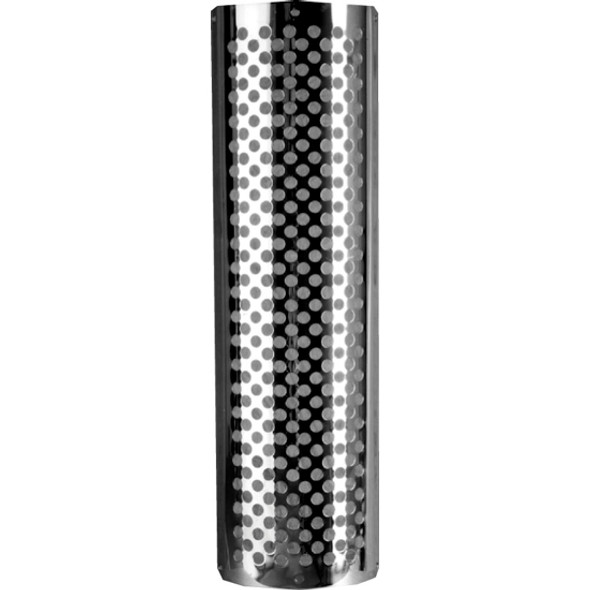
5 X 48 Inch SS 180 Degree Exhaust Heat Shield W/ Round Holes Replaces 81R-50048SP by
AFTERMARKET
$192.99SS Exhaust Shield Half Wrap With 2 Mounting ClampsProtect your exhaust system and surrounding components with the 5 x 48 Inch Stainless Steel 180 Exhaust Heat Shield. This high-quality stainless...09-080806- SKU:
- 09-080806
- Diameter Options:
- 5 Inch
- Truck Class:
- Heavy Duty
- Length Options:
- 48 Inch
- Material Options:
- Stainless Steel
- Degree Options:
- 180
- Make:
- Universal Items
- Finish Options:
- Polished
- Product Type:
- Exhaust
- Ready To Ship:
- Yes
$192.99Qty in Cart: 0Price:$192.99Subtotal: -

5 Inch SS Pre-Formed Exhaust Band Clamp
BESTFIT TRUCK PARTS
$19.995 Inch Easy Seal Exhaust Band Clamp* High Quality Exhaust Band Clamp* Made Of 304 Stainless Steel* Pre-form* Creates Leak Proof Seal * 5 Inch Diameter* Sold Individually* Warranty On Exhaust Band...09-0800040- SKU:
- 09-0800040
- Truck Class:
- Heavy Duty
- Material Options:
- Stainless Steel
- Make:
- Universal Items
- Product Type:
- Exhaust
- Diameter Options:
- 5 Inch
- Ready To Ship:
- Yes
$19.99Qty in Cart: 0Price:$19.99Subtotal: -

BESTfit 6 X 36 Inch 16 Gauge Carbon Steel Tubing
BESTFIT TRUCK PARTS
$46.57BESTfit 16 Gauge Carbon Steel Tubing - 6 Inch Diameter & 36 Inch Length* High Quality Exhaust Pipe* Made Of 16 Gauge Carbon Steel* No Finish-Oiled* 6 Inch O.D. * 36 Inch Height * Sold As Individually...09-080100012- SKU:
- 09-080100012
- Truck Class:
- Universal
- Diameter Options:
- 6 Inch
- Length Options:
- 36 Inch
- Material Options:
- Steel
- Make:
- Universal Items
- Product Type:
- Exhaust
- Ready To Ship:
- Yes
$46.57Qty in Cart: 0Price:$46.57Subtotal: -
FREE SHIPPING OVER $249

8 Inch Diameter Muffler 5 ID / ID X 30 Inch OAL by BESTfit
BESTFIT TRUCK PARTS
$161.99BESTfit Muffler 8 Inch DiameterThe BESTfit 8 X 30 Inch OAL Exhaust Muffler is an exceptional choice for drivers looking to enhance their truck's exhaust with added performance and durability. Made...09-080230- SKU:
- 09-080230
- Diameter Options:
- 8 Inch
- Truck Class:
- Universal
- Material Options:
- Aluminized Steel
- Make:
- Universal Items
- Length Options:
- 30 Inch
- Product Type:
- Exhaust
- Ready To Ship:
- Yes
$161.99Qty in Cart: 0Price:$161.99Subtotal: -
FREE SHIPPING OVER $249

BESTfit 5 ID / OD Inch 90 Degree Steel Exhaust Elbow, Belled On One End 15 X 5 Inch
BESTFIT TRUCK PARTS
$77.99BESTfit Aluminized Steel 90 Degree Exhaust Elbow W/ One Belled End* High Quality Exhaust Elbow* Made Of Aluminized Steel* 90 Degree* Belled On One End* 30 Inch Overall Length (15x15)* 5 Inch Radius*...09-0801503- SKU:
- 09-0801503
- Diameter Options:
- 5 Inch
- Truck Class:
- Universal
- Material Options:
- Aluminized Steel
- Degree Options:
- 90
- Make:
- Universal Items
- Length Options:
- 15 Inch
- Style Options:
- Elbow
- Product Type:
- Exhaust
- Ready To Ship:
- Yes
$77.99Qty in Cart: 0Price:$77.99Subtotal: -
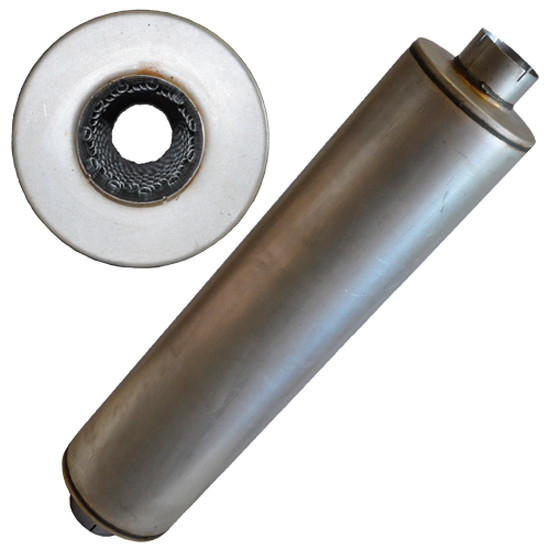
10 Inch Diameter Performance Sport Muffler 5 ID / ID X 51.5 Inch
PITTSBURGH POWER
$275.99Pittsburgh Power Performance Sport MufflerElevate your truck's performance with the Pittsburgh Power Performance Sport Muffler, designed to enhance power and efficiency. With its substantial size and...09-080220- SKU:
- 09-080220
- Truck Class:
- Universal
- Diameter Options:
- 10 Inch
- Location:
- Made In USA
- Material Options:
- Steel
- Make:
- Universal Items
- Length Options:
- 51 1/2 Inch
- Product Type:
- Exhaust
- Ready To Ship:
- Yes
$275.99Qty in Cart: 0Price:$275.99Subtotal: -
FREE SHIPPING OVER $249

10 Inch Muffler Mounting Clamp W/ 2 Bolt Bracket 48M-10000Z By BESTfit
BESTFIT TRUCK PARTS
$53.24BESTfit Aluminized Steel Mounting Bracket For 10 Inch Diameter MufflerSecure your exhaust system with the BESTfit 10 Inch Muffler Mounting Clamp with 2 Bolt Bracket, designed for unparalleled...09-0805012- SKU:
- 09-0805012
- Truck Class:
- Universal
- Diameter Options:
- 10 Inch
- Material Options:
- Aluminized Steel
- Make:
- Universal Items
- Product Type:
- Exhaust
- Ready To Ship:
- Yes
$53.24Qty in Cart: 0Price:$53.24Subtotal: -
FREE SHIPPING OVER $249

5 Inch Wide Style Exhaust Mounting Clamp By Lincoln Chrome
LINCOLN CHROME
$116.995 Inch Chrome Plated Steel Full Circle Exhaust ClampIntroducing the Lincoln Chrome Wide Style Chrome Exhaust Mounting Clamp, a superior choice for securing your ride's exhaust system. This 5-inch...09-0800033- SKU:
- 09-0800033
- Diameter Options:
- 5 Inch
- Location:
- Made In USA
- Material Options:
- Stainless Steel
- Make:
- Universal Items
- Truck Class:
- Heavy Duty
- Product Type:
- Exhaust
- Ready To Ship:
- Yes
$116.99Qty in Cart: 0Price:$116.99Subtotal: -
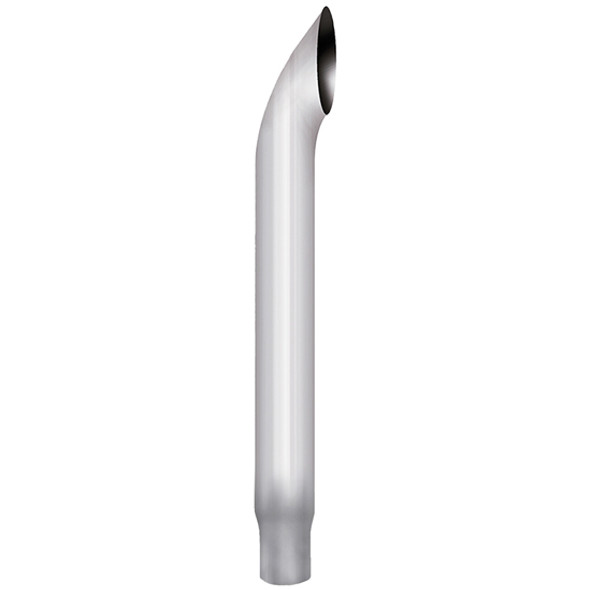
7-5 Inch OD Chrome West Coast Turn Top Stack By BESTfit
BESTFIT TRUCK PARTS
$444.99 - $616.99Are you looking to make your truck more bold? Stop searching, 4 State Trucks have got you covered. With the ability to add some more style and boldness to your truck, you still get that premium...PPR_202133- SKU:
- PPR_202133
- Truck Class:
- Heavy Duty
- Diameter Options:
- 7 Inch
- Style Options:
- West Coast Turn
- Material Options:
- Steel
- Make:
- Kenworth
- Finish Options:
- Chrome-Plated
- Make:
- Universal Items
- Product Type:
- Exhaust
- Ready To Ship:
- Yes
$444.99 - $616.99Qty in Cart: 0Price:$444.99 - $616.99Subtotal: -
FREE SHIPPING OVER $249

8 Inch Stainless Steel Exhaust Flat Band Clamp by Lincoln Chrome
LINCOLN CHROME
$67.99Polished SS 8 Inch Flat Exhaust Clamp, 3 Inch WideMade of polished stainless steel, this flat 3-inch-wide exhaust band clamp confirms to an 8 inch diameter exhaust pipe. The flat band clamp easily...09-0800020- SKU:
- 09-0800020
- Truck Class:
- Universal
- Length Options:
- 8 Inch
- Material Options:
- Stainless Steel
- Make:
- Universal Items
- Finish Options:
- Polished
- Location:
- Made In USA
- Product Type:
- Exhaust
- Ready To Ship:
- Yes
$67.99Qty in Cart: 0Price:$67.99Subtotal: -
FREE SHIPPING OVER $249

TPHD 5 Inch Guillotine Style Exhaust Clamp
TPHD
$14.235 Inch Guillotine Style Exhaust Clamp By TPHDThese exhaust clamps are made of durable zinc and are designed for use with a U-bolt and guillotine-style clamp to secure 5-inch diameter pipes in exhaust...09-0805001- SKU:
- 09-0805001
- Diameter Options:
- 5 Inch
- Truck Class:
- Universal
- Make:
- Universal Items
- Product Type:
- Exhaust
- Material Options:
- Zinc
- Style Options:
- Guillotine Style
- Ready To Ship:
- Yes
$14.23Qty in Cart: 0Price:$14.23Subtotal: -
FREE SHIPPING OVER $249

5 Inch OD Steel Universal Exhaust Y-Pipe 9 x 18 Inch by BESTfit
BESTFIT TRUCK PARTS
$152.99BESTfit 5-Inch OD Inlet, 5-inch OD Outlet Steel Exhaust Y-DividerUpgrade your exhaust system with the BESTfit 5 Inch OD Steel Universal Exhaust Y-Pipe, an exhaust solution designed to enhance flow...09-0806502- SKU:
- 09-0806502
- Diameter Options:
- 5 Inch
- Length Options:
- 9 Inch
- Material Options:
- Steel
- Make:
- Universal Items
- Style Options:
- Y-Pipe
- Truck Class:
- Heavy Duty
- Product Type:
- Exhaust
- Ready To Ship:
- Yes
$152.99Qty in Cart: 0Price:$152.99Subtotal: -
FREE SHIPPING OVER $249

7 Inch Stainless Steel Wide Exhaust Clamp Replaces 50BJ-700SCP by Lincoln Chrome
LINCOLN CHROME
$134.997 Inch Wide No Bracket Style Full Circle Exhaust ClampElevate the performance and aesthetics of your ride with the Lincoln Chrome Wide Style Stainless Steel Exhaust Mounting Clamp, featuring a 7-inch...09-0800027- SKU:
- 09-0800027
- Diameter Options:
- 7 Inch
- Location:
- Made In USA
- Material Options:
- Stainless Steel
- Make:
- Universal Items
- Finish Options:
- Chrome-Plated
- Truck Class:
- Heavy Duty
- Product Type:
- Exhaust
- Ready To Ship:
- Yes
$134.99Qty in Cart: 0Price:$134.99Subtotal: -

6 Inch OD Miter Cut Exhaust Stack - Angle Cut By Lincoln Chrome
LINCOLN CHROME
$239.99 - $810.99Designed for added visual appeal, the Lincoln Chrome 6 Inch OD Miter Cut Exhaust Stack Angle Cut offers a straightforward upgrade. This aftermarket exhaust stack is constructed from chrome-plated...PPR_202670- SKU:
- PPR_202670
- Diameter Options:
- 6 Inch
- Truck Class:
- Universal
- Location:
- Made In USA
- Style Options:
- Miter Cut
- Material Options:
- Steel
- Finish Options:
- Chrome-Plated
- Make:
- Universal Items
- Truck Class:
- Heavy Duty
- Product Type:
- Exhaust
- Ready To Ship:
- Yes
- Height Options:
- 108 Inch
- Height Options:
- 44 Inch
- Height Options:
- 64 Inch
- Height Options:
- 120 Inch
- Height Options:
- 96 Inch
- Height Options:
- 54 Inch
- Height Options:
- 72 Inch
- Height Options:
- 114 Inch
- Height Options:
- 48 Inch
- Height Options:
- 68 Inch
- Height Options:
- 36 Inch
- Height Options:
- 60 Inch
- Height Options:
- 84 Inch
$239.99 - $810.99Qty in Cart: 0Price:$239.99 - $810.99Subtotal: -
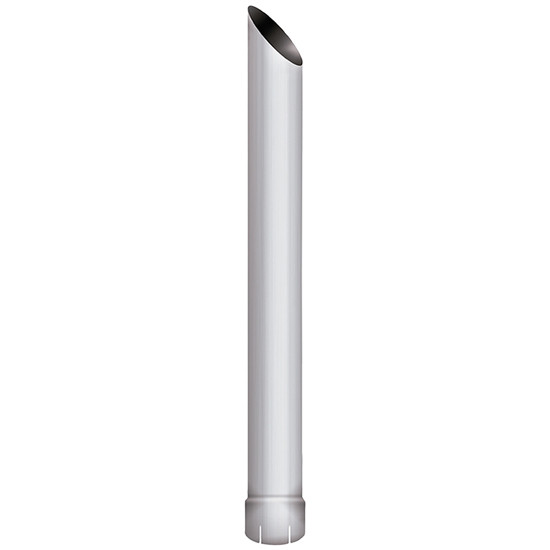
5 Inch Chrome Miter Cut Exhaust Stacks By BESTfit
BESTFIT TRUCK PARTS
$265.99 - $402.99Choose Option(s) to see description.Fitment** Universal - Fits Multiple Trucks and Trailers5 ID X 108 Inch Chrome Miter Cut Exhaust Stack W/ Expanded Inlet by BESTfitBESTfit 5 ID X 108 Inch Miter Cut...PPR_205369- SKU:
- PPR_205369
- Truck Class:
- Heavy Duty
- Material Options:
- Steel
- Make:
- Universal Items
- Finish Options:
- Chrome-Plated
- Style Options:
- Miter Cut
- Diameter Options:
- 5 Inch
- Truck Class:
- Universal
- Product Type:
- Exhaust
- Height Options:
- 120 Inch
- Height Options:
- 96 Inch
- Height Options:
- 72 Inch
- Height Options:
- 84 Inch
- Height Options:
- 108 Inch
- Ready To Ship:
- Yes
$265.99 - $402.99Qty in Cart: 0Price:$265.99 - $402.99Subtotal: -
FREE SHIPPING OVER $249

BESTfit Aluminized Steel Exhaust Adapter Reducer 8 ID X 5 OD X 8 Inch Length
BESTFIT TRUCK PARTS
$105.99BESTfit Exhaust Adapter Reducer 8 Inch ID to 5 Inch O.D.Connect exhaust pipes with this 8 inch adaptor with a 8 inch ID belled end and a 5 inch O.D. plain end. It is made of aluminized steel.* High...09-0801000- SKU:
- 09-0801000
- Truck Class:
- Universal
- Length Options:
- 8 Inch
- Material Options:
- Aluminized Steel
- Make:
- Universal Items
- Diameter Options:
- 5 Inch
- Product Type:
- Exhaust
- Ready To Ship:
- Yes
$105.99Qty in Cart: 0Price:$105.99Subtotal: -
FREE SHIPPING OVER $249

Reducer W/ Finish And Connection Size Options
UNITED PACIFIC
$26.78 - $62.99Choose Option(s) to see description.6 To 5 Inch ID/ID Aluminized Exhaust Reducer6 To 5 Inch ID Pipe Reducer - Rust ResistantConnect 6 inch inside diameter exhaust pipe to 5 inch inside diameter...PPR_205785- SKU:
- PPR_205785
- Truck Class:
- Universal
- Material Options:
- Aluminized Steel
- Make:
- Universal Items
- Finish Options:
- Paintable
- Truck Class:
- Heavy Duty
- Product Type:
- Exhaust
- Ready To Ship:
- Yes
- Style Options:
- Exhaust Reducer
$26.78 - $62.99Qty in Cart: 0Price:$26.78 - $62.99Subtotal: -

7 Inch OD Miter Cut Exhaust Stack - Angle Cut By Lincoln Chrome
LINCOLN CHROME
$348.99 - $863.99Renew your exhaust setup with the Lincoln Chrome 7 Inch OD Miter Cut Exhaust Stack Angle Cut, a polished solution. Made from chrome?plated steel in the USA, this heavy?duty exhaust stack features a...PPR_202681- SKU:
- PPR_202681
- Diameter Options:
- 7 Inch
- Truck Class:
- Universal
- Location:
- Made In USA
- Style Options:
- Miter Cut
- Material Options:
- Steel
- Finish Options:
- Chrome-Plated
- Make:
- Universal Items
- Truck Class:
- Heavy Duty
- Product Type:
- Exhaust
- Ready To Ship:
- Yes
- Height Options:
- 54 Inch
- Height Options:
- 114 Inch
- Height Options:
- 96 Inch
- Height Options:
- 108 Inch
- Height Options:
- 60 Inch
- Height Options:
- 36 Inch
$348.99 - $863.99Qty in Cart: 0Price:$348.99 - $863.99Subtotal: -

BESTfit 6 Inch OD Chrome West Coast Turn Out Exhaust Stack W/ Height Options
BESTFIT TRUCK PARTS
$232.99 - $586.99Are you looking to change your trucks exhaust? Stop searching, 4 State Trucks have you covered. With the ability to add some style and boldness to your truck, you still get that premium performance...PPR_202140- SKU:
- PPR_202140
- Truck Class:
- Heavy Duty
- Diameter Options:
- 6 Inch
- Style Options:
- West Coast Turn
- Material Options:
- Steel
- Make:
- Western Star
- Finish Options:
- Chrome-Plated
- Make:
- Universal Items
- Product Type:
- Exhaust
- Height Options:
- 108 Inch
- Height Options:
- 102 Inch
- Height Options:
- 48 Inch
- Height Options:
- 44 Inch
- Height Options:
- 84 Inch
- Height Options:
- 68 Inch
- Height Options:
- 114 Inch
- Height Options:
- 54 Inch
- Height Options:
- 96 Inch
- Height Options:
- 36 Inch
- Height Options:
- 60 Inch
- Ready To Ship:
- Yes
$232.99 - $586.99Qty in Cart: 0Price:$232.99 - $586.99Subtotal: -

BESTfit 5 Inch ID-OD Chrome Exhaust Elbow - 90 Degree Bend
BESTFIT TRUCK PARTS
$224.99 - $304.99A 5-inch ID/OD chrome exhaust elbow with a 90-degree bend is designed for heavy-duty truck exhaust systems where a compact directional change is required. Built from chrome-plated steel, it is...PPR_203227- SKU:
- PPR_203227
- Truck Class:
- Universal
- Diameter Options:
- 5 Inch
- Material Options:
- Steel
- Degree Options:
- 90
- Finish Options:
- Chrome-Plated
- Truck Class:
- Heavy Duty
- Make:
- Universal Items
- Product Type:
- Exhaust
- Style Options:
- Elbow
- Ready To Ship:
- Yes
$224.99 - $304.99Qty in Cart: 0Price:$224.99 - $304.99Subtotal: -

BESTfit 6 OD Chrome Flat Top Exhaust Stack
BESTFIT TRUCK PARTS
$224.99 - $498.99Make your truck stand out on the road with the BESTfit 6 OD Chrome Flat Top Exhaust Stack. Built from high-quality chrome, these stacks resist rust and maintain a polished appearance over time. With...PPR_200027- SKU:
- PPR_200027
- Truck Class:
- Heavy Duty
- Diameter Options:
- 6 Inch
- Material Options:
- Steel
- Make:
- Universal Items
- Finish Options:
- Chrome-Plated
- Product Type:
- Exhaust
- Height Options:
- 44 Inch
- Height Options:
- 114 Inch
- Height Options:
- 68 Inch
- Height Options:
- 60 Inch
- Height Options:
- 102 Inch
- Height Options:
- 48 Inch
- Height Options:
- 96 Inch
- Height Options:
- 108 Inch
- Height Options:
- 54 Inch
- Style Options:
- Flat Top
- Ready To Ship:
- Yes
$224.99 - $498.99Qty in Cart: 0Price:$224.99 - $498.99Subtotal: -

5 Inch Chrome Exhaust Heat Shield Mounting Bracket
BESTFIT TRUCK PARTS
$59.99Chrome Plated 5 Inch Exhaust Heat Shield Mounting Bracket* High Quality Heat Shield Mounting Bracket* With 3 Tabs* For 180 Degree Heat Shields* Made Of Chrome Plated Steel* 5 Inch Diameter* Made In...09-0808135- SKU:
- 09-0808135
- Truck Class:
- Universal
- Material Options:
- Steel
- Make:
- Universal Items
- Product Type:
- Exhaust
- Ready To Ship:
- Yes
$59.99Qty in Cart: 0Price:$59.99Subtotal: -
FREE SHIPPING OVER $249

7 Inch Stainless Steel Exhaust Straight Clamp W/ 2 Bolt Mount by Lincoln Chrome
LINCOLN CHROME
$156.99Stainless Steel Wide Style Exhaust Mounting Clamp W/ 7 Inch DiameterOptimize your exhaust system with the Lincoln Chrome SS 7 Inch Exhaust Straight Clamp, featuring a reliable 2 Bolt Mount Design for...09-0800024- SKU:
- 09-0800024
- Diameter Options:
- 7 Inch
- Location:
- Made In USA
- Material Options:
- Stainless Steel
- Make:
- Universal Items
- Truck Class:
- Heavy Duty
- Product Type:
- Exhaust
- Ready To Ship:
- Yes
$156.99Qty in Cart: 0Price:$156.99Subtotal: -
FREE SHIPPING OVER $249

TPHD 5 Inch Chrome-Plated Guillotine Style Exhaust Clamp
TPHD
$22.165 Inch Chrome Plated Exhaust ClampThis exhaust clamp features a chrome-plated guillotine style design with a 5-inch diameter. It securely fastens your exhaust components together for a reliable...09-0800007- SKU:
- 09-0800007
- Truck Class:
- Universal
- Diameter Options:
- 5 Inch
- Material Options:
- Steel
- Make:
- Universal Items
- Finish Options:
- Chrome-Plated
- Product Type:
- Exhaust
- Location:
- Made In USA
- Ready To Ship:
- Yes
$22.16Qty in Cart: 0Price:$22.16Subtotal: -
Limited Quantity Available

BESTfit 5 Inch Chrome Flat Top Exhaust Stack
BESTFIT TRUCK PARTS
$133.99 - $352.99The BESTfit Chrome 5 Inch Flat Top Exhaust Stack is an ideal upgrade for truck owners looking to enhance aesthetic appeal. Crafted from high-quality chrome-plated steel, this exhaust stack is...PPR_202179- SKU:
- PPR_202179
- Diameter Options:
- 5 Inch
- Truck Class:
- Universal
- Material Options:
- Steel
- Make:
- Universal Items
- Finish Options:
- Chrome-Plated
- Style Options:
- Flat Top
- Truck Class:
- Heavy Duty
- Product Type:
- Exhaust
- Height Options:
- 36 Inch
- Height Options:
- 18 Inch
- Height Options:
- 60 Inch
- Height Options:
- 24 Inch
- Height Options:
- 12 Inch
- Height Options:
- 72 Inch
- Height Options:
- 48 Inch
- Ready To Ship:
- Yes
$133.99 - $352.99Qty in Cart: 0Price:$133.99 - $352.99Subtotal: -
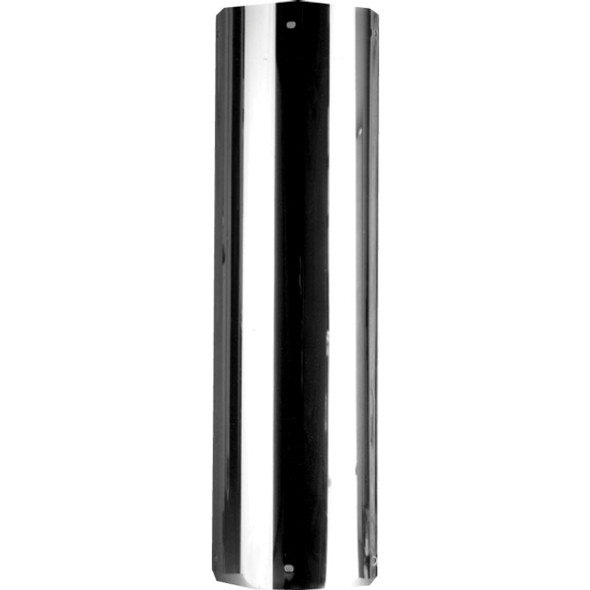
BESTfit 5 X 48 Inch Stainless Steel 180 Degree Blank Exhaust Heat Shield W/ Mounting Clamps
BESTFIT TRUCK PARTS
$211.99BESTfit Exhaust Shield 1/2 Round for 5 Inch Pipe No HolesProtect your exhaust system with the BESTfit 5 x 48 Inch Stainless Steel 180 Blank Exhaust Heat Shield, crafted from high-quality 304...09-080831- SKU:
- 09-080831
- Truck Class:
- Universal
- Diameter Options:
- 5 Inch
- Length Options:
- 48 Inch
- Material Options:
- Stainless Steel
- Degree Options:
- 180
- Make:
- Universal Items
- Product Type:
- Exhaust
- Ready To Ship:
- Yes
$211.99Qty in Cart: 0Price:$211.99Subtotal: -
FREE SHIPPING OVER $249

Chrome Exhaust Connector
UNITED PACIFIC
$39.05 - $54.99Choose Option(s) to see description.Chrome Exhaust Connector 5 Inch I.D. To 5 Inch I.D.Chrome Plated Exhaust Connector* High Quality Exhaust Connector* Chrome-Plated* 5 Inch I.D. To 5 Inch I.D.* With...PPR_205277- SKU:
- PPR_205277
- Truck Class:
- Universal
- Material Options:
- Steel
- Make:
- Universal Items
- Finish Options:
- Chrome-Plated
- Truck Class:
- Heavy Duty
- Product Type:
- Exhaust
$39.05 - $54.99Qty in Cart: 0Price:$39.05 - $54.99Subtotal: -
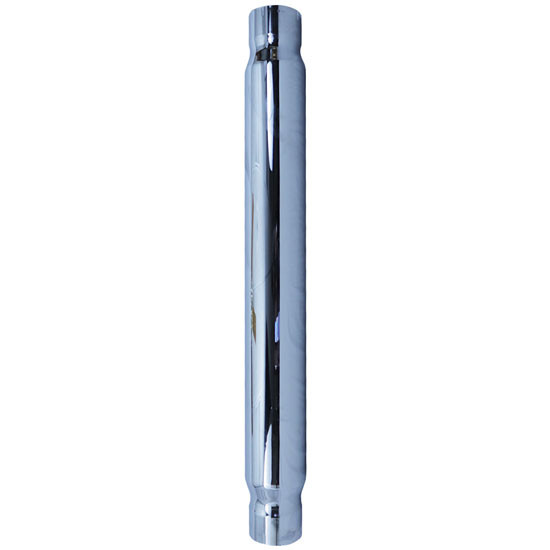
6 Inch Diameter Chrome Steel Muffler 5 ID / 6 ID X 51 Inch OAL by BESTfit
BESTFIT TRUCK PARTS
$566.99BESTfit Chrome Steel Exhaust Muffler W/ Internal Louvered CoreElevate your truck's exhaust with the BESTfit Chrome Steel Muffler, a masterpiece of engineering and design. This top-of-the-line muffler...09-080205- SKU:
- 09-080205
- Diameter Options:
- 6 Inch
- Truck Class:
- Universal
- Length Options:
- 51 Inch
- Material Options:
- Steel
- Make:
- Universal Items
- Finish Options:
- Chrome-Plated
- Product Type:
- Exhaust
- Ready To Ship:
- Yes
$566.99Qty in Cart: 0Price:$566.99Subtotal: -

7 Inch OD Chrome Flat Top Exhaust Stack - Straight Cut By BESTfit
BESTFIT TRUCK PARTS
$389.99 - $863.99Are you looking to change up your exhaust stacks? Stop searching, 4 State Trucks have you covered. With the ability to not only add some boldness and style to your truck, you also get the...PPR_202145- SKU:
- PPR_202145
- Diameter Options:
- 7 Inch
- Truck Class:
- Heavy Duty
- Material Options:
- Steel
- Finish Options:
- Chrome-Plated
- Style Options:
- Flat Top
- Make:
- Universal Items
- Product Type:
- Exhaust
- Height Options:
- 44 Inch
- Height Options:
- 68 Inch
- Height Options:
- 108 Inch
- Height Options:
- 54 Inch
- Height Options:
- 114 Inch
- Height Options:
- 102 Inch
- Height Options:
- 60 Inch
- Height Options:
- 48 Inch
- Height Options:
- 96 Inch
- Ready To Ship:
- Yes
$389.99 - $863.99Qty in Cart: 0Price:$389.99 - $863.99Subtotal: -

Chrome Mitered Exhaust Pipe, 6 Inch OD Reduced To 5 Inch OD Bottom
UNITED PACIFIC
$139.99 - $669.99Choose Option(s) to see description.6 To 5 OD X 24 Inch Chrome Mitered Exhaust Stack6 To 5 OD X 24 Inch Mitered Exhaust Stack* High Quality Bottom Exhaust* Triple Chrome-Plated Finish* Mitered End...PPR_205285- SKU:
- PPR_205285
- Truck Class:
- Universal
- Material Options:
- Steel
- Make:
- Universal Items
- Finish Options:
- Chrome-Plated
- Diameter Options:
- 6 Inch
- Diameter Options:
- 5 Inch
- Style Options:
- Miter Cut
- Truck Class:
- Heavy Duty
- Product Type:
- Exhaust
- Ready To Ship:
- Yes
$139.99 - $669.99Qty in Cart: 0Price:$139.99 - $669.99Subtotal: -
FREE SHIPPING OVER $249

5 ID /OD 90 Degree Chrome Exhaust Elbow 15 Inch by BESTfit
BESTFIT TRUCK PARTS
$171.99BESTfit Chrome Steel 90 Degree Exhaust Elbow W/ One Belled EndThis BESTfit Chrome 90 Degree Exhaust Elbow has a 5 Inch ID and a 5 Inch OD, with one end belled. It is made of chrome plated steel and...09-0801504- SKU:
- 09-0801504
- Diameter Options:
- 5 Inch
- Truck Class:
- Universal
- Material Options:
- Steel
- Degree Options:
- 90
- Make:
- Universal Items
- Finish Options:
- Chrome-Plated
- Length Options:
- 15 Inch
- Style Options:
- Elbow
- Product Type:
- Exhaust
- Ready To Ship:
- Yes
$171.99Qty in Cart: 0Price:$171.99Subtotal: -

5 Inch Diameter X 3 Inch Marmon Flange by BESTfit
BESTFIT TRUCK PARTS
$78.61BESTfit 5 Inch Diameter X 3 Inch Marmon Flange* High Quality Flange* 304 Stainless Steel* 5 Inch Diameter * 3 Inch Length* Bead 5 3/4 Inch * Sold Individually* Warranty On Flange Against Defects In...09-0800114- SKU:
- 09-0800114
- Truck Class:
- Universal
- Diameter Options:
- 5 Inch
- Material Options:
- Steel
- Make:
- Universal Items
- Finish Options:
- Chrome-Plated
- Product Type:
- Exhaust
- Ready To Ship:
- Yes
$78.61Qty in Cart: 0Price:$78.61Subtotal: -
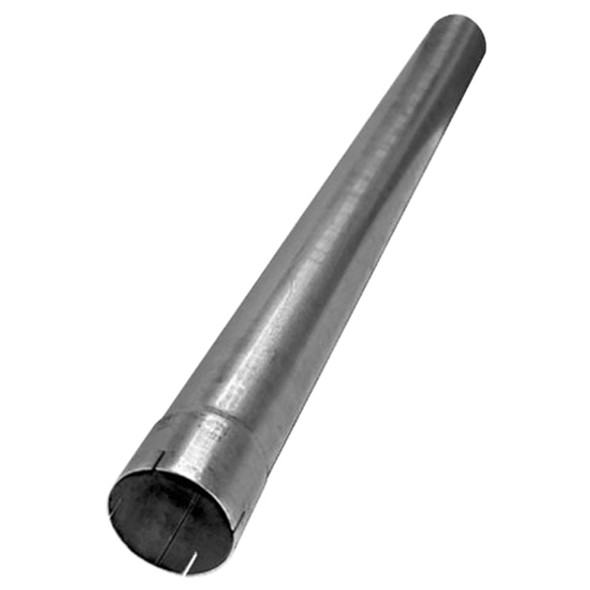
BESTfit 5 ID X 51 Inch Aluminized Straight Muffler Eliminator Pipe - Center Spool
BESTFIT TRUCK PARTS
$148.995 ID x 51 Inch Muffler EliminatorMaximize your truck's performance with the BESTfit Aluminized 5 ID X 51 Inch. Straight Muffler Eliminator Pipe from 4 State Trucks. This premium muffler eliminator is...09-08250517- SKU:
- 09-08250517
- Material Options:
- Aluminized Steel
- Diameter Options:
- 5 Inch
- Make:
- Universal Items
- Truck Class:
- Heavy Duty
- Product Type:
- Exhaust
- Ready To Ship:
- Yes
$148.99Qty in Cart: 0Price:$148.99Subtotal: -
FREE SHIPPING OVER $249

7 Inch Chrome-Plated Steel Exhaust Clamp Replaces 50BJ-700SCP by BESTfit
BESTFIT TRUCK PARTS
$119.99BESTfit Stainless Steel Wide Clamp - Replaces 50BJ-700SCPUpgrade your exhaust system with the BESTfit 7 Inch Chrome-Plated Steel Clamp, a replacement for OE number 50BJ-700SCP. Made from...09-0800700- SKU:
- 09-0800700
- Diameter Options:
- 7 Inch
- Material Options:
- Steel
- Make:
- Universal Items
- Finish Options:
- Chrome-Plated
- Truck Class:
- Heavy Duty
- Product Type:
- Exhaust
- Ready To Ship:
- Yes
$119.99Qty in Cart: 0Price:$119.99Subtotal: