



Kenworth T2000 Fuel Tanks
- Product
- Qty in Cart
- Quantity
- Price
- Subtotal
-

Stainless Steel 4 Inch Fuel Tank Strap Cover
AFTERMARKET
$56.994 Inch Fuel Tank Strap Cover Stainless Steel* High Quality Fuel Tank Strap Cover* Made Of 20 Gauge 304 Stainless Steel* #8 Mirror Finish* 4 Inch Width* Sold Individually* Warranty On Fuel Tank Strap...29-06010023- SKU:
- 29-06010023
- Product Type:
- Fuel Tanks
- Finish Options:
- Polished
- Width Options:
- 4 Inch
- Size Options:
- 20 Gauge
- Material Options:
- Stainless Steel
- Location:
- Made In USA
- Make:
- Universal Items
$56.99Qty in Cart: 0Price:$56.99Subtotal: -

Gloss Black Diamond Plate Aluminum Transfer Tank
AFTERMARKET
$1,523.99 - $1,820.99Needing to be able to transfer extra fuel to the job site with ease and safety in mind? This 50 gallon fuel transfer tank is the way to go! It is constructed from heavy duty aluminum for extra...PPR_301106- SKU:
- PPR_301106
- Capacity:
- 50 Gallons
- Color:
- Black
- Height Options:
- 24 Inch
- Finish Options:
- Diamond Plate
- Product Type:
- Fuel Tanks
- Length Options:
- 54 Inch
- Height Options:
- 26 Inch
- Width Options:
- 22 Inch
- Truck Class:
- Universal
- Length Options:
- 60 Inch
- Capacity:
- 75 Gallons
- Capacity:
- 85 Gallons
- Width Options:
- 33 Inch
- Width Options:
- 12 Inch
- Height Options:
- 20 Inch
- Height Options:
- 22 Inch
- Width Options:
- 34 Inch
- Length Options:
- 37 Inch
- Length Options:
- 48 Inch
- Material Options:
- Aluminum
- Width Options:
- 18 Inch
- Make:
- Universal Items
- Position:
- Passenger Side
$1,523.99 - $1,820.99Qty in Cart: 0Price:$1,523.99 - $1,820.99Subtotal: -

100 Gallon Hammerhead-Style Transfer Tank
AFTERMARKET
$1,588.99 - $1,820.99Choose Option(s) to see description.Fitment** Please Check Measurements Prior To Ordering **** 58.875 Inch Length Top** 47.8125 Inch Length Bottom** 24.625 Inch Height** 12.875 Inch Width Top** 30...PPR_301102- SKU:
- PPR_301102
- Capacity:
- 100 Gallons
- Height Options:
- 13 Inch
- Finish Options:
- Diamond Plate
- Product Type:
- Fuel Tanks
- Material Options:
- Aluminum
- Width Options:
- 12 Inch
- Width Options:
- 47 Inch
- Width Options:
- 30 Inch
- Color:
- White
- Color:
- Black
- Length Options:
- 58 Inch
- Height Options:
- 24 Inch
- Truck Class:
- Universal
- Make:
- Universal Items
- Position:
- Passenger Side
$1,588.99 - $1,820.99Qty in Cart: 0Price:$1,588.99 - $1,820.99Subtotal: -

Bright Diamond Plate Aluminum L-Shape Transfer Tank
AFTERMARKET
$1,135.99 - $1,399.99Choose Option(s) to see description.Fitment** Check Fitment For Each Tank Size Prior To Ordering **Bright Diamond Plate Aluminum 75 Gallon L-Shape Transfer Tank75 Gallon L-Shape Bright Diamond Plate...PPR_301108- SKU:
- PPR_301108
- Material Options:
- Aluminum
- Height Options:
- 22 Inch
- Width Options:
- 32 Inch
- Height Options:
- 24 Inch
- Length Options:
- 48 Inch
- Finish Options:
- Diamond Plate
- Height Options:
- 26 Inch
- Length Options:
- 59 Inch
- Truck Class:
- Universal
- Length Options:
- 36 Inch
- Width Options:
- 27 Inch
- Width Options:
- 9 Inch
- Product Type:
- Fuel Tanks
- Width Options:
- 34 Inch
- Make:
- Universal Items
- Position:
- Passenger Side
$1,135.99 - $1,399.99Qty in Cart: 0Price:$1,135.99 - $1,399.99Subtotal: -

Bright Diamond Plate Aluminum Transfer Tank
AFTERMARKET
$1,368.99 - $1,632.99Choose Option(s) to see description.Fitment** Please Check Fitment Prior To Ordering **Bright Diamond Plate Aluminum 100 Gallon Transfer Tank100 Gallon Bright Diamond Plate Aluminum Transfer Tank*...PPR_301109- SKU:
- PPR_301109
- Height Options:
- 20 Inch
- Length Options:
- 36 Inch
- Finish Options:
- Diamond Plate
- Height Options:
- 24 Inch
- Material Options:
- Aluminum
- Height Options:
- 22 Inch
- Height Options:
- 26 Inch
- Length Options:
- 54 Inch
- Length Options:
- 48 Inch
- Width Options:
- 22 Inch
- Length Options:
- 60 Inch
- Truck Class:
- Universal
- Product Type:
- Fuel Tanks
- Width Options:
- 18 Inch
- Width Options:
- 24 Inch
- Make:
- Universal Items
- Position:
- Passenger Side
$1,368.99 - $1,632.99Qty in Cart: 0Price:$1,368.99 - $1,632.99Subtotal: -
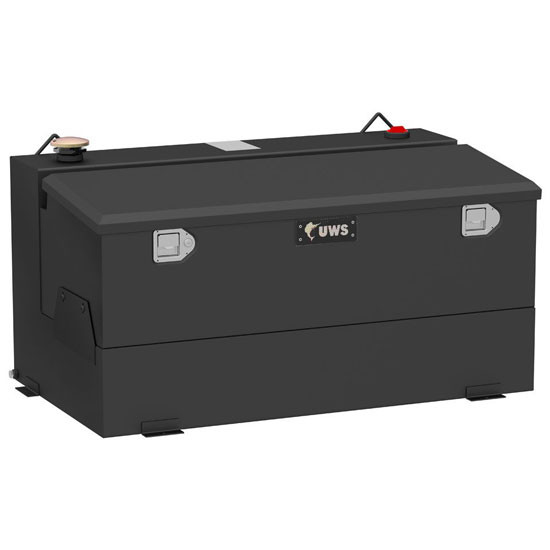
Steel Aluminum 75 Gallon Transfer Tank
AFTERMARKET
$1,378.99Choose Option(s) to see description.Fitment** Fits Cadillac Escalade EXT ** Fits Chevrolet Avalanche ** Fits Chevrolet Avalanche 1500 ** Fits Chevrolet Avalanche 2500 ** Fits Chevrolet Silverado 1500...PPR_301103- SKU:
- PPR_301103
- Length Options:
- 48 Inch
- Width Options:
- 27 Inch
- Truck Class:
- Universal
- Color:
- Black
- Capacity:
- 75 Gallons
- Height Options:
- 24 Inch
- Product Type:
- Fuel Tanks
- Material Options:
- Aluminum
- Make:
- Universal Items
$1,378.99Qty in Cart: 0Price:$1,378.99Subtotal: -
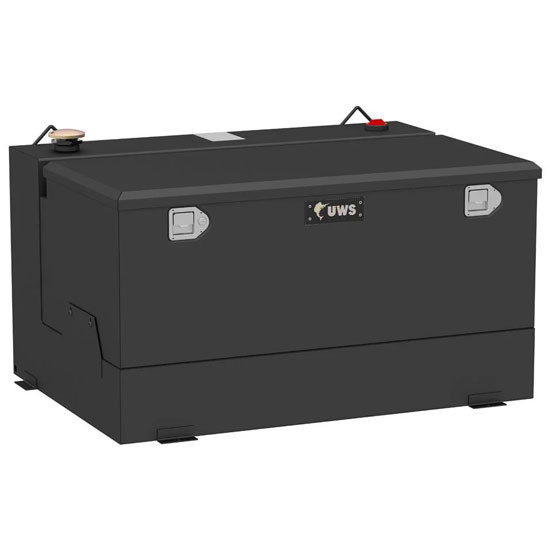
Smooth Steel-Aluminum 85 Gallon Transfer Tank
AFTERMARKET
$1,556.99Choose Option(s) to see description.Fitment** Fits Cadillac Escalade EXT ** Fits Chevrolet Avalanche ** Fits Chevrolet Avalanche 1500** Fits Chevrolet Avalanche 2500 ** Fits Chevrolet Silverado...PPR_301104- SKU:
- PPR_301104
- Width Options:
- 34 Inch
- Length Options:
- 48 Inch
- Height Options:
- 26 Inch
- Color:
- Black
- Capacity:
- 85 Gallons
- Truck Class:
- Universal
- Product Type:
- Fuel Tanks
- Material Options:
- Aluminum
- Make:
- Universal Items
$1,556.99Qty in Cart: 0Price:$1,556.99Subtotal: -
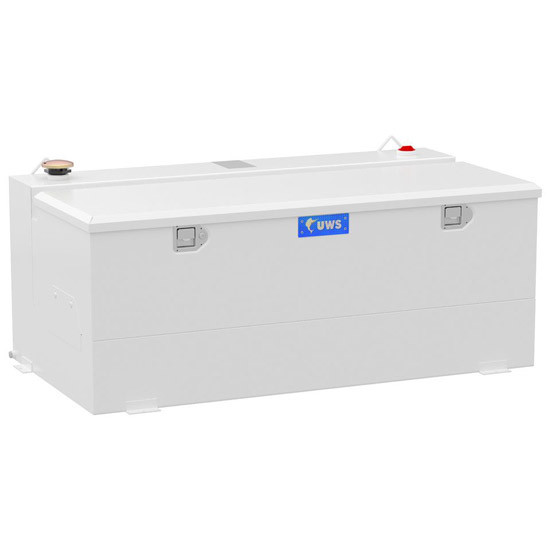
Steel-Aluminum 100 Gallon Transfer Tank
AFTERMARKET
$1,588.99Choose Option(s) to see description.Fitment** Fits Chevrolet Silverado 1500 ** Fits Chevrolet Silverado 1500 Classic ** Fits Chevrolet Silverado 1500 LTD** Fits Chevrolet Silverado 2500 ** Fits...PPR_301105- SKU:
- PPR_301105
- Height Options:
- 22 Inch
- Finish Options:
- Diamond Plate
- Color:
- Black
- Product Type:
- Fuel Tanks
- Material Options:
- Aluminum
- Capacity:
- 100 Gallons
- Length Options:
- 60 Inch
- Width Options:
- 31 Inch
- Height Options:
- 31 Inch
- Width Options:
- 22 Inch
- Truck Class:
- Universal
- Make:
- Universal Items
$1,588.99Qty in Cart: 0Price:$1,588.99Subtotal: -

Bright Diamond Plate Aluminum Rectangle Transfer Tank W/ Capacity Options
AFTERMARKET
$902.99Choose Option(s) to see description.Fitment** Fits Chevrolet Colorado** Fits Chevrolet S10** Fits Chevrolet Silverado 1500** Fits Chevrolet Silverado 1500 Classic** Fits Chevrolet Silverado 2500**...PPR_301100- SKU:
- PPR_301100
- Material Options:
- Aluminum
- Width Options:
- 19 Inch
- Length Options:
- 54 Inch
- Finish Options:
- Diamond Plate
- Length Options:
- 36 Inch
- Width Options:
- 10 Inch
- Height Options:
- 19 Inch
- Truck Class:
- Universal
- Product Type:
- Fuel Tanks
- Make:
- Universal Items
- Position:
- Passenger Side
$902.99Qty in Cart: 0Price:$902.99Subtotal: -

Gloss Black Diamond Plate Aluminum L-Shape Transfer Tank
AFTERMARKET
$1,290.99 - $1,555.99Choose Option(s) to see description.Fitment** 50 Gallon** Fits Chevrolet Colorado ** Fits Chevrolet S10 ** Fits Chevrolet Silverado 1500 ** Fits Chevrolet Silverado 1500 Classic ** Fits Chevrolet...PPR_301101- SKU:
- PPR_301101
- Height Options:
- 24 Inch
- Height Options:
- 22 Inch
- Finish Options:
- Diamond Plate
- Length Options:
- 59 Inch
- Material Options:
- Aluminum
- Length Options:
- 48 Inch
- Length Options:
- 36 Inch
- Width Options:
- 27 Inch
- Width Options:
- 32 Inch
- Truck Class:
- Universal
- Product Type:
- Fuel Tanks
- Color:
- Black
- Width Options:
- 9 Inch
- Width Options:
- 34 Inch
- Height Options:
- 26 Inch
- Make:
- Universal Items
- Position:
- Passenger Side
$1,290.99 - $1,555.99Qty in Cart: 0Price:$1,290.99 - $1,555.99Subtotal: -

Smooth Steel 100 Gallon L-Shape Transfer Tank W/ Color Options
AFTERMARKET
$912.99Choose Option(s) to see description.Fitment** Fits Chevrolet Silverado 1500 ** Fits Chevrolet Silverado 1500 Classic ** Fits Chevrolet Silverado 1500 LTD ** Fits Chevrolet Silverado 2500 ** Fits...PPR_301099- SKU:
- PPR_301099
- Finish Options:
- Diamond Plate
- Color:
- Black
- Material Options:
- Steel
- Length Options:
- 59 Inch
- Capacity:
- 100 Gallons
- Truck Class:
- Universal
- Color:
- White
- Height Options:
- 24 Inch
- Product Type:
- Fuel Tanks
- Material Options:
- Aluminum
- Width Options:
- 31 Inch
- Make:
- Universal Items
$912.99Qty in Cart: 0Price:$912.99Subtotal: -

Turnpike Truck Trim Mirror Stainless Steel Straight Cut Fuel Tank Straps For Kenworth
TURNPIKE TRUCK TRIM
$156.11 - $199.99Choose Option(s) to see description.Fitment* Fits Kenworth Cabover 1961 thru 2002* Fits Kenworth K100 1963 thru 1967* Fits Kenworth K100C 1968 thru 1983* Fits Kenworth K100E 1984 thru 2002* Fits...PPR_301037- SKU:
- PPR_301037
- Product Type:
- Fuel Tanks
- Ready To Ship:
- Yes
- Diameter Options:
- 26 Inch
- Material Options:
- Stainless Steel
- Width Options:
- 6 Inch
- Finish Options:
- Polished
- Style Options:
- Straight Cut Design
- Length Options:
- 39 Inch
- Width Options:
- 4 Inch
- Make:
- Kenworth
$156.11 - $199.99Qty in Cart: 0Price:$156.11 - $199.99Subtotal: -

BESTfit 7 Inch Wide OE Style Fuel Tank Strap W/ Optional Step Brackets For Kenworth 24.5 Inch Tank
BESTFIT TRUCK PARTS
$349.99Choose Option(s) to see description.Fitment* Fits Kenworth Cabover 1961 thru 2002* Fits Kenworth K100 1963 thru 1967* Fits Kenworth K100C 1968 thru 1983* Fits Kenworth K100E 1984 thru 2002* Fits...PPR_301031- SKU:
- PPR_301031
- Product Type:
- Fuel Tanks
- Finish Options:
- Polished
- Diameter Options:
- 24 1/2 Inch
- Width Options:
- 7 Inch
- Size Options:
- 11 Gauge
- Material Options:
- Stainless Steel
- Make:
- Kenworth
- Length Options:
- 39 Inch
$349.99Qty in Cart: 0Price:$349.99Subtotal: -
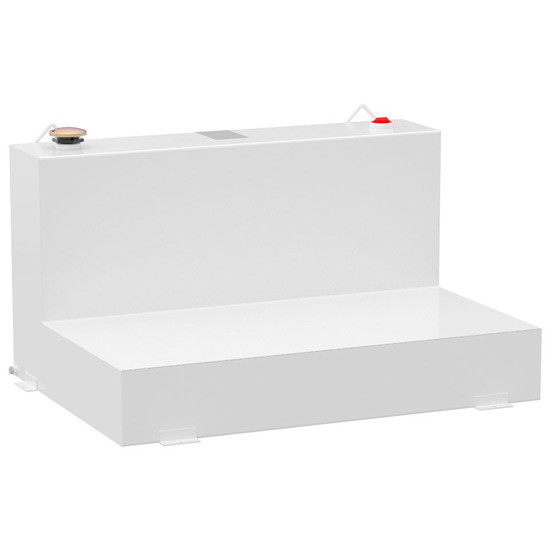
Smooth Steel 85 Gallon L-Shape Transfer Tank
AFTERMARKET
$933.99Choose Option(s) to see description.Fitment** Fits Cadillac Escalade EXT ** Fits Chevrolet Avalanche** Fits Chevrolet Avalanche 1500 ** Fits Chevrolet Avalanche 2500 ** Fits Chevrolet Silverado...PPR_301002- SKU:
- PPR_301002
- Location:
- Made In USA
- Finish Options:
- Chrome-Plated
- Size Options:
- 10 Gauge
- Light Options:
- Without Lights
- Style Options:
- Wrap Around End
- Type Options:
- Set Back Axle
- Height Options:
- 20 Inch
- Material Options:
- Steel
- Make:
- Volvo
- Capacity:
- 85 Gallons
- Height Options:
- 26 Inch
- Color:
- Black
- Length Options:
- 48 Inch
- Product Type:
- Fuel Tanks
- Width Options:
- 34 Inch
- Truck Class:
- Universal
- Color:
- White
- Make:
- Universal Items
$933.99Qty in Cart: 0Price:$933.99Subtotal: -

Aluminum Fuel Tank 100 Gallon - 24.5 X 50 Inch - Center Fill For Kenworth 2008 & Newer
AFTERMARKET
$646.99100 Gallon - 24.5 X 50 Inch Aluminum Fuel Tank Fits Kenworth T600 2008 & Newer* High Quality Fuel Tank* Made Of Aluminum* Center Fill* 100 Gallon* Dimensions: - 50 Inch Overall Length - 48 Inch...02-060010009- SKU:
- 02-060010009
- Product Type:
- Fuel Tanks
- Ready To Ship:
- Yes
- Material Options:
- Aluminum
- Length Options:
- 50 Inch
- Capacity:
- 100 Gallons
- Position:
- Center Fill
- Diameter Options:
- 24 1/2 Inch
- Make:
- Kenworth
- Type Options:
- Center Fill
$646.99Qty in Cart: 0Price:$646.99Subtotal: -
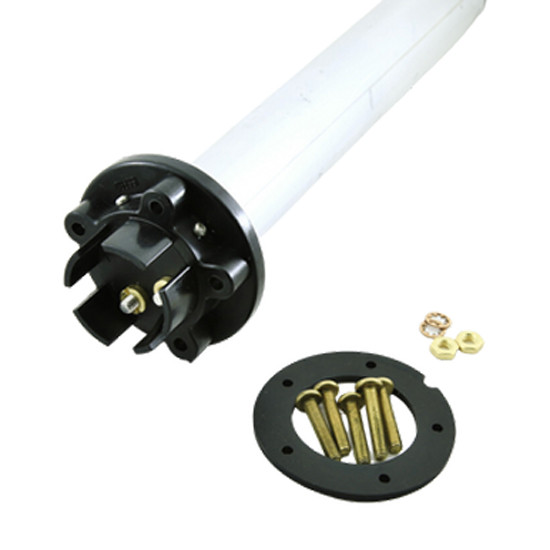
12 Inch Cylindrical Fuel Sender 240-33 Ohm Range For Rectangular And D-Shaped Tanks
ISSPRO
$93.99Cylindrical Fuel Sender 12 Inch W/ 240-33 Ohm RangeEnsure accurate fuel level readings with the 12 Inch Cylindrical Fuel Sender, designed for dependable performance in compatible heavy-duty fuel...29-060338- SKU:
- 29-060338
- Length Options:
- 12 Inch
- Location:
- Made In USA
- Product Type:
- Fuel Tanks
- Make:
- Universal Items
$93.99Qty in Cart: 0Price:$93.99Subtotal: -
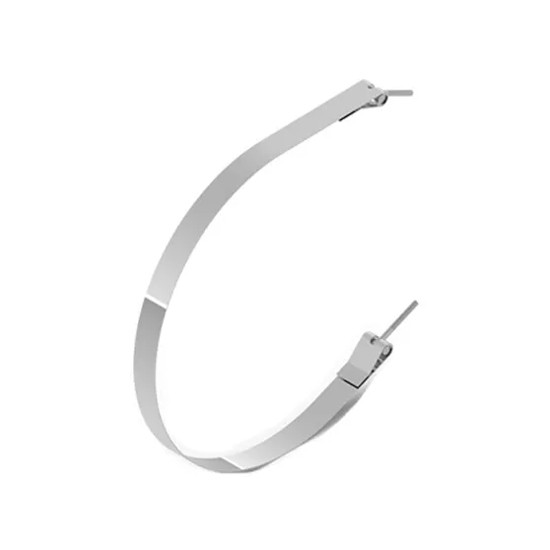
Stainless Steel Hydraulic Tank Strap For 24 Inch Tanks
AFTERMARKET
$56.39Hydraulic Tank Strip Stainless Steel Fits 24 Inch TanksSecure your hydraulic system with the Stainless Steel Hydraulic Tank Strap, designed for strength, durability, and long-lasting performance in...09-06010017- SKU:
- 09-06010017
- Length Options:
- 24 Inch
- Product Type:
- Fuel Tanks
- Material Options:
- Stainless Steel
- Make:
- Universal Items
$56.39Qty in Cart: 0Price:$56.39Subtotal: -
FREE SHIPPING OVER $249
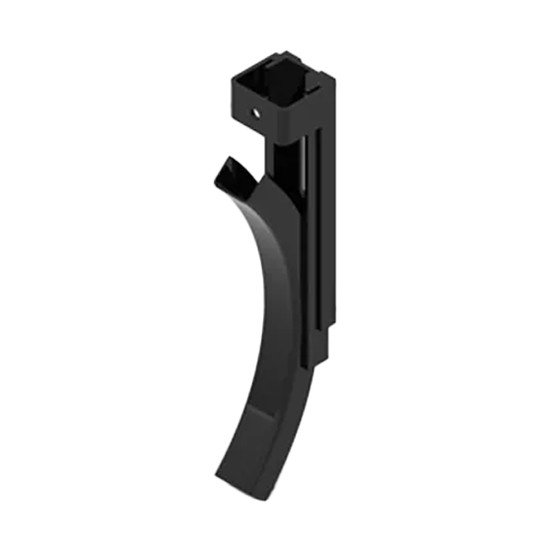
Black Painted Steel Mounted Bracket For 24 Inch Saddlemount Hydraulic Tank
AFTERMARKET
$134.39Mounted Bracket Black Painted Steel Fits 24 Inch Saddlemount Hydraulic TankSecure your hydraulic system with the Stainless Steel Hydraulic Tank Strap, designed for strength, durability, and...09-06010018- SKU:
- 09-06010018
- Material Options:
- Steel
- Color:
- Black
- Product Type:
- Fuel Tanks
- Make:
- Universal Items
$134.39Qty in Cart: 0Price:$134.39Subtotal: -
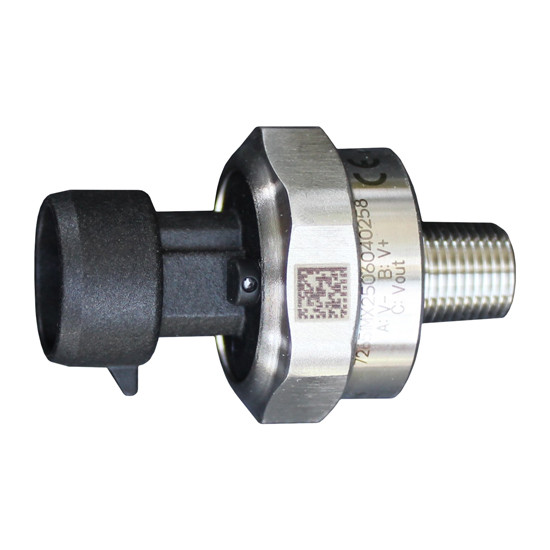
Teltek Fuel Pressure PSI Sensor 0 to 150 PSI, 1/8 Inch NPT Thread
TELTEK
$121.990 To 150 PSI Fuel Pressure Sensor W/ 1/8 Inch NPT ThreadEnsure accurate fuel system monitoring with the Teltek Fuel Pressure PSI Sensor, designed for dependable performance in heavy-duty truck and...09-071000108- SKU:
- 09-071000108
- Location:
- Made In USA
- Product Type:
- Fuel Tanks
- Make:
- Universal Items
$121.99Qty in Cart: 0Price:$121.99Subtotal: -
FREE SHIPPING OVER $249

Vent Plug W/ 40 Micron Filter, Steel, 3/4 Inch NPT Thread
BUYERS PRODUCTS
$16.53Hydraulic Tank Steel Vent Plug W/ 40 Micron Filter, Steel, 3/4 Inch NPT ThreadImprove hydraulic system protection and reliability with this high-quality Vent Plug, designed for heavy-duty hydraulic...09-02500274- SKU:
- 09-02500274
- Product Type:
- Cargo Control
- Height Options:
- 3 Inch
- Material Options:
- Steel
- Diameter Options:
- 3 Inch
- Make:
- Universal Items
- Ready To Ship:
- Yes
$16.53Qty in Cart: 0Price:$16.53Subtotal: