


International 9200/9400 Fuel Tanks
- Product
- Qty in Cart
- Quantity
- Price
- Subtotal
-
FREE SHIPPING OVER $249

BESTfit 2 Inch Wide Rubber Fuel Tank Strap Liner W/ Lip - Sold Per Foot
BESTFIT TRUCK PARTS
$7.862 Inch Wide Fuel Tank Strap Backing With Lip Sold By The Foot By BESTfitEnsure long-lasting protection for your fuel tank straps with the BESTfit 2 Inch Wide Rubber Strap Liner with Lip. Its 2-inch...09-060101- SKU:
- 09-060101
- Truck Class:
- Heavy Duty
- Width Options:
- 2 Inch
- Material Options:
- Rubber
- Product Type:
- Fuel Tanks
- Make:
- Universal Items
- Color:
- Black
- Ready To Ship:
- Yes
$7.86Qty in Cart: 0Price:$7.86Subtotal: -
FREE SHIPPING OVER $249

BESTfit 26 Inch Stainless Steel Fuel Tank Strap With Step Bracket Replaces 3528802C92 For International
BESTFIT TRUCK PARTS
$181.99Fuel Tank Strap With Step Bracket By BESTfit Fits International 26 Inch TanksThis 2.25-inch Stainless Steel Fuel Tank Strap with Step Bracket fits International 9200, 9400, and 9900 models that have...07-0601001- SKU:
- 07-0601001
- Truck Class:
- Heavy Duty
- Material Options:
- Stainless Steel
- Make:
- International
- Product Type:
- Fuel Tanks
- Ready To Ship:
- Yes
- Diameter Options:
- 26 Inch
$181.99Qty in Cart: 0Price:$181.99Subtotal: -
FREE SHIPPING OVER $249

Black Neoprene Rubber Fuel Tank Bib
AFTERMARKET
$18.61Fuel Tank Protector Fits Most Tanks* High Quality Fuel Tank Bib* Made Of Black 3/16 Inch Neoprene Rubber* Protect Your Tanks, Save Your Shine.* Designed To Keep Your Fuel Cap From Rubbing or...09-060307- SKU:
- 09-060307
- Truck Class:
- Universal
- Material Options:
- Rubber
- Make:
- Universal Items
- Product Type:
- Fuel Tanks
- Color:
- Black
- Ready To Ship:
- Yes
$18.61Qty in Cart: 0Price:$18.61Subtotal: -

BESTfit 2.25 Inch Rubber Fuel Tank Strap Liner With Outer Lip - Sold Per Foot For International 9000 Series
BESTFIT TRUCK PARTS
$9.962.25 Inch Wide Fuel Tank Strap Liner By BESTfit Fits International 9200, 9400 & 9900Protect the surface between the fuel tank and strap with this high-quality pad strap. Made of rubber, the backing...29-0601012- SKU:
- 29-0601012
- Truck Class:
- Heavy Duty
- Material Options:
- Rubber
- Make:
- International
- Product Type:
- Fuel Tanks
- Ready To Ship:
- Yes
$9.96Qty in Cart: 0Price:$9.96Subtotal: -
FREE SHIPPING OVER $249

High Flow Return Flow Splitter For Peterbilt, Freightliner, International, Mack, Volvo & Ford
VELVAC
$55.99Return Flow Splitters-High FlowThis high-flow return flow splitter is perfect for dual draw/dual return diesel fuel systems. It evenly distributes fuel to both left and right tanks, eliminating the...29-060305- SKU:
- 29-060305
- Truck Class:
- Heavy Duty
- Material Options:
- Steel
- Make:
- Freightliner
- Make:
- Volvo
- Make:
- Ford
- Make:
- Peterbilt
- Make:
- International
- Make:
- Western Star
- Make:
- Mack
- Product Type:
- Fuel Tanks
- Ready To Ship:
- Yes
$55.99Qty in Cart: 0Price:$55.99Subtotal: -
FREE SHIPPING OVER $249

Diesel Fuel Tank Safety Vent, 1/2 In. NPT, 5/16 In. Hose Barb
VELVAC
$32.431/2 Inch Fuel Tank Safety Vent* High Quality Fuel Tank Safety Vent* Patented Anti-Spill Protection* Vents Meet All Applicable DOT Requirements* Diesel Only* Dimensions: - 1.468 Inch Height - 0.187...09-060302- SKU:
- 09-060302
- Diameter Options:
- 1/2 Inch
- Truck Class:
- Universal
- Make:
- Universal Items
- Product Type:
- Fuel Tanks
- Ready To Ship:
- Yes
$32.43Qty in Cart: 0Price:$32.43Subtotal: -
FREE SHIPPING OVER $249

BESTfit 3 Inch Wide Rubber Fuel Tank Strap Liner W/ Lip - Sold Per Foot
BESTFIT TRUCK PARTS
$20.943 Inch Fuel Tank Strap Insulator With Lip By BESTfitPrevent metal-to-metal contact and safeguard your fuel tank with our BESTfit non-slip ribbed rubber fuel tank strap liner with a lip. This 3-inch...09-060100- SKU:
- 09-060100
- Width Options:
- 3 Inch
- Material Options:
- Rubber
- Make:
- Universal Items
- Truck Class:
- Heavy Duty
- Product Type:
- Fuel Tanks
- Ready To Ship:
- Yes
$20.94Qty in Cart: 0Price:$20.94Subtotal: -

BESTfit Aluminum Auxiliary Fuel Tank 45 Gallon- 19 X 36 Inch- Front Fill
BESTFIT TRUCK PARTS
$750.9945 Gallon 19 X 36 Inch Aluminum Auxiliary Fuel Tank- Front Fill By BESTfitThis 19 X 36 Inch 45 Gallon BESTfit Front Fill Fuel Tank Is Manufactured To OE Specifications With The Same Materials As Used...09-0600045- SKU:
- 09-0600045
- Capacity:
- 45 Gallons
- Position:
- Front Fill
- Diameter Options:
- 19 Inch
- Truck Class:
- Universal
- Shape Options:
- Cylindrical
- Material Options:
- Aluminum
- Make:
- Universal Items
- Product Type:
- Fuel Tanks
- Length Options:
- 38 Inch
- Size Options:
- 11 Gauge
- Type Options:
- Front Fill
- Ready To Ship:
- Yes
$750.99Qty in Cart: 0Price:$750.99Subtotal: -
FREE SHIPPING OVER $249

BESTfit 5 Inch Wide Fuel Tank Steps For International 9000 Series
BESTFIT TRUCK PARTS
$130.99 - $155.99Choose Option(s) to see description.Fitment* Fits International 9200 1992 thru 1996* Fits International 9200 I 1997 thru 2010* Fits International 9400 1988 thru 1996* Fits International 9400 I 1997...PPR_4970- SKU:
- PPR_4970
- Width Options:
- 5 Inch
- Truck Class:
- Heavy Duty
- Material Options:
- Aluminum
- Make:
- International
- Product Type:
- Fuel Tanks
- Ready To Ship:
- Yes
- Length Options:
- 44 1/2 Inch
- Length Options:
- 63 Inch
$130.99 - $155.99Qty in Cart: 0Price:$130.99 - $155.99Subtotal: -
FREE SHIPPING OVER $249
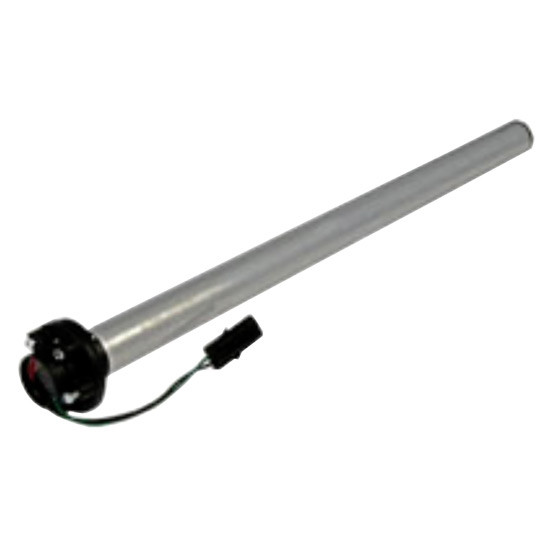
BESTfit Tube Style Fuel Sender Replaces 3596382C92 For International W/ 26 Inch Diameter Tank
BESTFIT TRUCK PARTS
$172.99International Fuel Sender By BESTfit For 26 Inch Tank W/ OE Style PlugRestore proper fuel gauge readings with this fuel tank sending unit. All units include the necessary installation hardware for...07-060303- SKU:
- 07-060303
- Truck Class:
- Heavy Duty
- Make:
- International
- Product Type:
- Fuel Tanks
- Diameter Options:
- 26 Inch
- Ready To Ship:
- Yes
$172.99Qty in Cart: 0Price:$172.99Subtotal: -
FREE SHIPPING OVER $249

BESTfit 26 Inch Stainless Steel Fuel Tank Strap W/ Liner Kit Replaces 3528802C92 For International
BESTFIT TRUCK PARTS
$221.992.25 Inch Wide Fuel Tank Strap & Liner Kit By BESTfit For International With 26 Inch Tanks* High Quality Fuel Tank Strap & Liner* Stainless Steel* 2.25 Inch Wide* Rubber Liner With Lip For 1 Strap*...07-0601001K01- SKU:
- 07-0601001K01
- Truck Class:
- Heavy Duty
- Material Options:
- Stainless Steel
- Make:
- International
- Product Type:
- Fuel Tanks
- Ready To Ship:
- Yes
- Diameter Options:
- 26 Inch
$221.99Qty in Cart: 0Price:$221.99Subtotal: -
FREE SHIPPING OVER $249
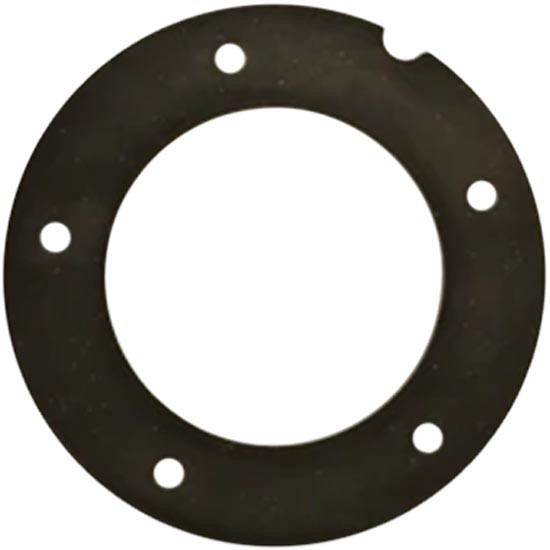
Isspro Fuel Sender Rubber Gasket
ISSPRO
$13.96Fuel Tank Sending Unit Gasket By IssproThe Isspro Fuel Tank Sending Unit Gasket fits many standard SAE 5-hole fuel senders and gauges. Isspro gauges, sensors, and sending units are trusted worldwide...09-0603027- SKU:
- 09-0603027
- Truck Class:
- Universal
- Shape Options:
- Round
- Material Options:
- Rubber
- Make:
- Universal Items
- Product Type:
- Fuel Tanks
- Ready To Ship:
- Yes
$13.96Qty in Cart: 0Price:$13.96Subtotal: -
FREE SHIPPING OVER $249
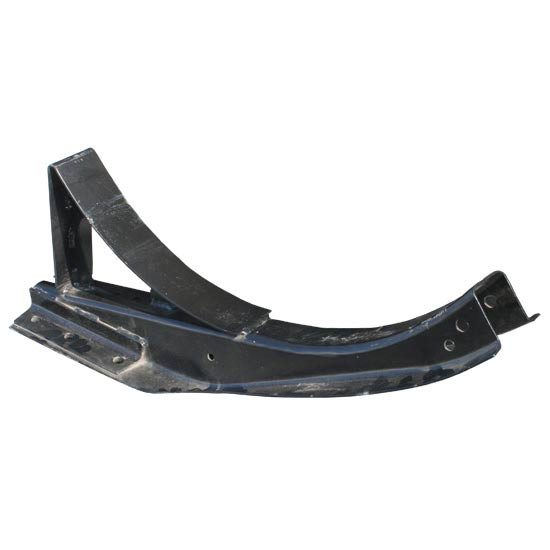
BESTfit Black Steel Fuel Tank Support Bracket Replaces OE Number 1689721C2 For International 9000 Series With 26 Inch Tanks
BESTFIT TRUCK PARTS
$217.99Fuel Tank Support Bracket By BESTfit Fits International W/ 26 Inch Diameter TanksProvide stable, reliable support for your International 9000 Series fuel tanks with the BESTfit Black Steel Fuel Tank...07-0601000- SKU:
- 07-0601000
- Truck Class:
- Heavy Duty
- Color:
- Black
- Material Options:
- Steel
- Make:
- International
- Product Type:
- Fuel Tanks
- Ready To Ship:
- Yes
- Diameter Options:
- 26 Inch
$217.99Qty in Cart: 0Price:$217.99Subtotal: -
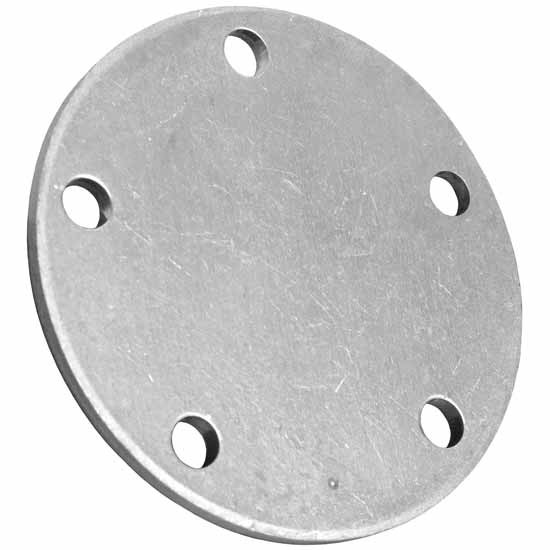
BESTfit 2-9/16 Inch Sending Unit Block Off Plate
BESTFIT TRUCK PARTS
$10.50Sending Unit Block-Off Plate By BESTfitUse this block-off plate to cover the fuel tank sending unit opening. It seals the sender hole in the fuel tank. Get yours today at 4 State Trucks!* High...09-060325- SKU:
- 09-060325
- Truck Class:
- Universal
- Make:
- Universal Items
- Product Type:
- Fuel Tanks
- Ready To Ship:
- Yes
$10.50Qty in Cart: 0Price:$10.50Subtotal: -
FREE SHIPPING OVER $249
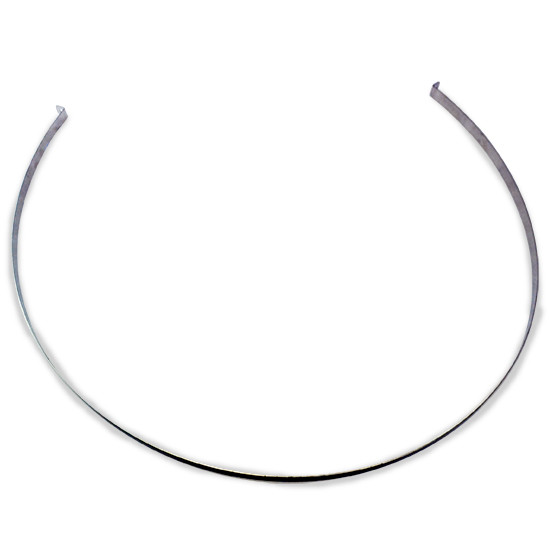
CSM 26 Inch Stainless Steel Fuel Tank End Cover Strap 1 Inch Wide
CHROME SHOP MAFIA
$39.211 Inch Wide Stainless Steel Fuel Tank End Cover Strap By Chrome Shop Mafia For 26 Inch Diameter TanksSecure your fuel tank with our 1-inch wide S/S fuel tank strap designed for 26-inch diameter tanks...09-060500- SKU:
- 09-060500
- Width Options:
- 1 Inch
- Location:
- Made In USA
- Truck Class:
- Universal
- Material Options:
- Stainless Steel
- Make:
- Universal Items
- Diameter Options:
- 26 Inch
- Product Type:
- Fuel Tanks
- Ready To Ship:
- Yes
$39.21Qty in Cart: 0Price:$39.21Subtotal: -
FREE SHIPPING OVER $249

BESTfit Lower Support J Bracket For 19 Inch Fuel Tank
BESTFIT TRUCK PARTS
$69.9919 Inch Fuel Tank Lower Support J Bracket By BESTfitThe BESTfit Lower J Bracket provides ultimate support for 19-inch diameter fuel tanks. It is designed with durability and stability in mind to...09-0601002- SKU:
- 09-0601002
- Make:
- Universal Items
- Truck Class:
- Heavy Duty
- Product Type:
- Fuel Tanks
- Ready To Ship:
- Yes
$69.99Qty in Cart: 0Price:$69.99Subtotal: -
FREE SHIPPING OVER $249
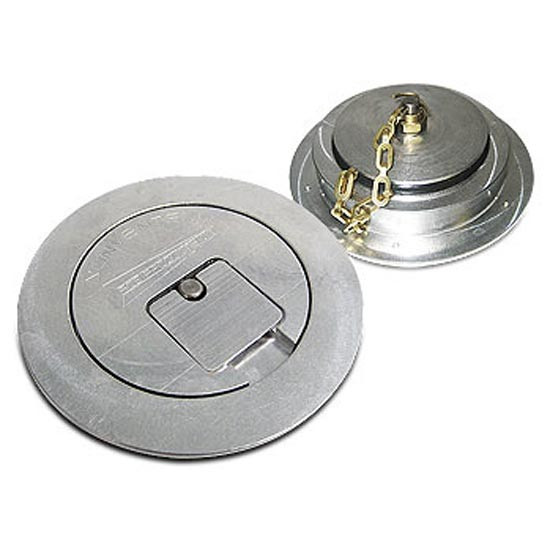
CSM Non-Vented Lever Lock Flush Fuel Tank Cap Assembly
CHROME SHOP MAFIA
$190.99Non-Vented Lever Lock Flush Fuel Cap Assembly by Chrome Shop MafiaThis flush fuel cap assembly features an unvented cap with a lever lock and an O-Ring Seal. It is sold individually and is made in...09-060300- SKU:
- 09-060300
- Truck Class:
- Universal
- Location:
- Made In USA
- Style Options:
- Non Vented
- Material Options:
- Aluminum
- Make:
- Universal Items
- Product Type:
- Fuel Tanks
- Ready To Ship:
- Yes
$190.99Qty in Cart: 0Price:$190.99Subtotal: -

BESTfit Aluminum Fuel Tank 100 Gallon- 26 X 45.5 Inch- Front Fill For International 9200I/9400I
BESTFIT TRUCK PARTS
$744.99This BestFit Fuel Tank is manufactured to OE specifications with the same materials as used in OE manufacturing, is rigorously tested under FMSCA regulations and ISO certified. We are so confident in...PPR_4650- SKU:
- PPR_4650
- Diameter Options:
- 26 Inch
- Truck Class:
- Heavy Duty
- Position:
- Front Fill
- Capacity:
- 100 Gallons
- Material Options:
- Aluminum
- Shape Options:
- Cylindrical
- Make:
- International
- Product Type:
- Fuel Tanks
- Ready To Ship:
- Yes
- Size Options:
- 11 Gauge
- Position:
- Driver Side
- Position:
- Passenger Side
- Type Options:
- Front Fill
- Type Options:
- Center Fill
$744.99Qty in Cart: 0Price:$744.99Subtotal: -
FREE SHIPPING OVER $249

2 Inch Brass 11.5 TPI Non-Vented Fuel Cap
VELVAC
$45.162 Inch Non-Vented Fuel CapLooking for a reliable fuel cap for your industrial or automotive needs? Check out the Brass 2 Inch 11.5 TPI Non-Vented Fuel Cap. Made of durable brass, it's perfect for...09-060301- SKU:
- 09-060301
- Truck Class:
- Universal
- Diameter Options:
- 2 Inch
- Material Options:
- Brass
- Make:
- Universal Items
- Product Type:
- Fuel Tanks
- Style Options:
- Non Locking
- Ready To Ship:
- Yes
$45.16Qty in Cart: 0Price:$45.16Subtotal: -

Aluminum Leak Defender Collar & Fuel Cap Kit For International
HEAVY TRUCK SOLUTIONS
$289.99International Leak Defender Collar & Fuel CapLooking for a reliable solution to stop fuel cap leaks? The International Leak Defender Fuel Cap and Collar Kit might just be the answer. This 2-piece...07-06010015- SKU:
- 07-06010015
- Product Type:
- Fuel Tanks
- Truck Class:
- Heavy Duty
- Make:
- International
- Ready To Ship:
- Yes
- Material Options:
- Aluminum
$289.99Qty in Cart: 0Price:$289.99Subtotal: