Looking to boost your International 8600 TranStar's exhaust performance? We've got you covered. Check out our selection of replacement exhaust parts, like chrome stacks, mufflers, clamps, brackets, and universal-elbows. These parts aren't just about style—they help your engine breathe better, boosting power, fuel efficiency, and giving your truck a smoother ride.
If you want to make sure your rig stays cool and efficient, take a look at our lineup of
TranStar CAC parts.Keep emissions in check and performance high with reliable DPF and mufflers. Universal fit elbows,piping, and components ensure proper airflow, preventing exhaust leaks and engine issues down the road.
And while you're upgrading your exhaust, take a look at our
frame crossmember components to keep your rig stable and structurally sound. While quality exhaust parts can improve your truck's fuel efficiency, so can
aerodynamic exterior parts. Alongside a performance boost, aftermarket exhaust chrome stacks can be accentuated by
auxiliary TranStar cab lights that reflect off of the polished stainless steel chrome stacks.
It's easy to keep your 8600 TranStar running strong and sounding great with high-quality exhaust parts built for the long haul.
Frequently Asked Questions About International 8600 TranStar Exhaust Parts
What exhaust pipe diameter do I need for my International 8600 TranStar, and how do I measure it correctly?
Most International 8600 TranStar models use 5-inch diameter exhaust systems, though some configurations may have 4-inch or 6-inch setups depending on engine specifications. To measure correctly, use a tape measure or caliper to measure the outside diameter (OD) of your existing exhaust pipe. If your pipe is damaged, check near the turbo outlet or where the pipe connects to the muffler for the most accurate measurement. Always measure at least 6 inches away from any bends or joints where the pipe might be expanded or compressed.
Are these exhaust parts compatible with all International 8600 TranStar model years?
While many exhaust components are interchangeable across TranStar models from 2003-2017, there are important variations based on engine type and emissions requirements. Pre-2007 models typically use simpler exhaust systems without DPF (Diesel Particulate Filter) requirements. 2007 and newer models require EPA-compliant components. Always verify compatibility by checking your OEM and engine model (such as Cummins ISX, Caterpillar C13, or MaxxForce) before ordering. Key differences include mounting bracket locations, pipe lengths, and whether your truck has single or dual exhaust configurations.
Can I install these exhaust parts myself, or do I need special tools?
Basic exhaust repairs like replacing straight pipes, elbows, or clamps can typically be done with standard tools including wrenches, a reciprocating saw for removing old parts, and a floor jack to support components during installation. However, you'll need exhaust hangers, high-temperature anti-seize compound, and new gaskets. For muffler replacements or complete system overhauls, professional installation is recommended as proper alignment is crucial to prevent stress cracks and exhaust leaks. Most installations take 2-4 hours depending on the components being replaced.
What's the difference between aluminized and chrome exhaust stacks, and which lasts longer?
Aluminized steel stacks feature an aluminum-silicon coating that provides good corrosion resistance at a lower price point, typically lasting 3-5 years with proper maintenance. Chrome stacks offer superior appearance and durability, often lasting 7-10 years or more, but cost significantly more. Chrome is ideal for show trucks or drivers who want maximum longevity and appearance. Aluminized is perfect for working trucks where function matters more than aesthetics. Both options require regular cleaning to prevent road salt and chemical damage, especially in northern climates.
Why is my new exhaust system louder or quieter than expected?
Sound levels depend on multiple factors including muffler type, pipe diameter, and overall system length. Straight-through or performance mufflers will be louder than OEM-style chambered mufflers. Increasing pipe diameter typically increases volume, while longer systems tend to be quieter. If your new exhaust is unexpectedly loud, check for exhaust leaks at connection points, ensure all clamps are properly tightened, and verify you've selected the correct muffler type. Remember that new exhaust systems may sound different for the first 100-200 miles as internal packing materials settle and carbon deposits form.




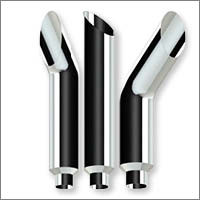
 International 8600 TranStar Chrome Stacks & Tops
 International 8600 TranStar Clamps-Brackets-Mount
 International 8600 TranStar DPF & Mufflers
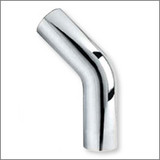 International 8600 TranStar Uni Elbows-Piping-Comp