


International 8100-8300 Exhaust Parts
- Product
- Qty in Cart
- Quantity
- Price
- Subtotal
-
On SaleLimited Quantity Available

LC 96 Inch Chrome Mitered Exhaust Top Stack W/ 8 Inch ID
LINCOLN CHROME
Now: $290.61Was: $873.99Chrome Mitered Exhaust Top Stack 96 Inch W/ 8 Inch ID By Lincoln Chrome* High Quality Exhaust Top Stack* Made Of Chrome Plated Carbon Steel* Mitered Style* Slides Over Elbow (Elbow Not Included)*...09-08010786- SKU:
- 09-08010786
- Product Type:
- Exhaust
- Ready To Ship:
- Yes
- Height Options:
- 96 Inch
- Finish Options:
- Chrome-Plated
- Material Options:
- Carbon Steel
- Style Options:
- Miter Cut
- Diameter Options:
- 8 Inch
- Location:
- Made In USA
- Make:
- Universal Items
Now: $290.61Was: $873.99Qty in Cart: 0Price:Now: $290.61Was: $873.99Subtotal: -

LC 60 Inch Chrome West Coast Exhaust Top Stack W/ 7-5 Extended OD
LINCOLN CHROME
$523.9960 Inch Chrome West Coast Exhaust Top Stack W/ 7-5 Extended OD By Lincoln Chrome* High Quality Exhaust Top Stack* Made Of Chrome-Plated Steel* West Coast Curved Top Style* Dimensions: - 60 Inch...09-08011462- SKU:
- 09-08011462
- Diameter Options:
- 7 Inch
- Material Options:
- Steel
- Style Options:
- West Coast Turn
- Location:
- Made In USA
- Height Options:
- 60 Inch
- Finish Options:
- Chrome-Plated
- Product Type:
- Exhaust
- Make:
- Universal Items
$523.99Qty in Cart: 0Price:$523.99Subtotal: -
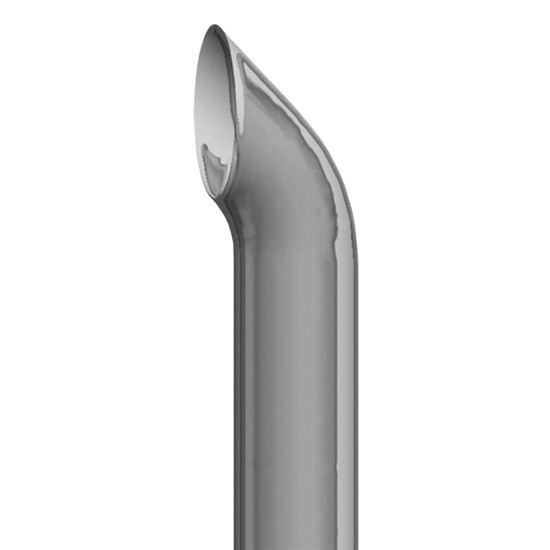
LC 48 Inch Chrome West Coast Exhaust Top Stack W/ 7-5 Inch Extended OD
LINCOLN CHROME
$442.99Chrome West Coast Exhaust Top Stack 48 Inch W/ 7-5 Inch Extended OD By Lincoln Chrome* High Quality Exhaust Top Stack* Made Of Chrome-Plated Steel* West Coast Curved Top Style* Dimensions: - 48 Inch...09-087548071- SKU:
- 09-087548071
- Finish Options:
- Chrome-Plated
- Product Type:
- Exhaust
- Location:
- Made In USA
- Material Options:
- Steel
- Height Options:
- 48 Inch
- Style Options:
- West Coast Turn
- Diameter Options:
- 7 Inch
- Make:
- Universal Items
$442.99Qty in Cart: 0Price:$442.99Subtotal: -

LC 8 X 72 Chrome West Coast Exhaust Top Stack
LINCOLN CHROME
$830.998 X 72 Inch West Coast Exhaust Top Stack By Lincoln Chrome* High Quality Exhaust Top Stack* Made Of Chrome-Plated Steel* West Coast Curved Top Style* Works With Seamless Design Elbows and Pipes*...09-088072083- SKU:
- 09-088072083
- Height Options:
- 72 Inch
- Style Options:
- West Coast Turn
- Diameter Options:
- 8 Inch
- Material Options:
- Steel
- Finish Options:
- Chrome-Plated
- Product Type:
- Exhaust
- Location:
- Made In USA
- Make:
- Universal Items
$830.99Qty in Cart: 0Price:$830.99Subtotal: -
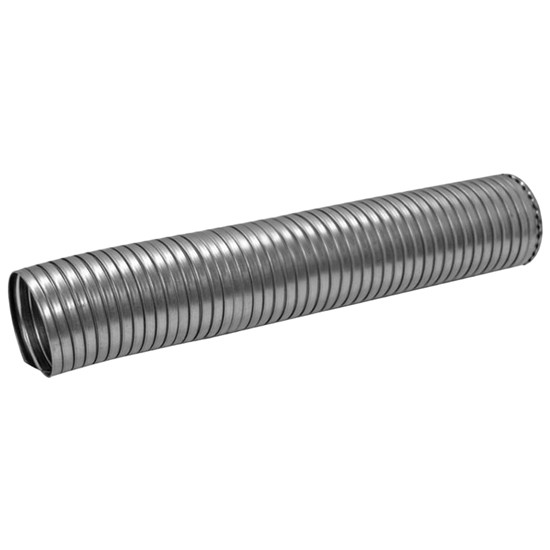
3 ID X 18 Inch 409 Stainless Steel Flex Tubing
AUTOMANN USA
$41.373 Inch ID 409 Stainless Steel Drop Flex Tubing Replaces 89613K* High Quality Flex Tubing* 409 Stainless Steel* Dimensions: - 3.00 Inch I.D. - 18.00 Inch Length* Sold Individually* Warranty On Flex...09-08040002- SKU:
- 09-08040002
- Material Options:
- Stainless Steel
- Product Type:
- Exhaust
- Truck Class:
- Heavy Duty
- Make:
- Universal Items
$41.37Qty in Cart: 0Price:$41.37Subtotal: -

5 ID X 24 Inch Galvanized Steel Flex Tubing
AUTOMANN USA
$37.505 Inch ID Galvanized Steel Drop Flex Tubing Replaces G15524, J024837* High Quality Flex Tubing* Galvanized Steel* Dimensions: - 5 Inch I.D. - 24 Inch Length* Sold Individually* Warranty On Flex...09-08010065- SKU:
- 09-08010065
- Material Options:
- Stainless Steel
- Product Type:
- Exhaust
- Truck Class:
- Heavy Duty
- Finish Options:
- Galvanized
- Make:
- Universal Items
$37.50Qty in Cart: 0Price:$37.50Subtotal: -
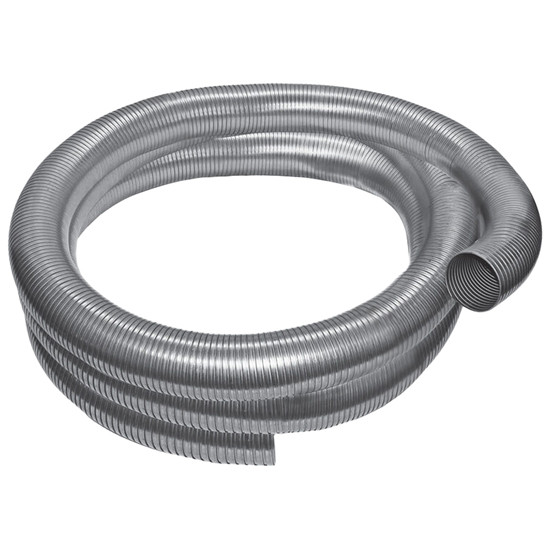
4 ID Inch X 25 Ft 304 Stainless Steel Flex Tubing
AUTOMANN USA
$798.994 Inch ID 304 Stainless Steel Drop Flex Tubing Replaces SF4300* High Quality Tubing* 304 Stainless Steel* Dimensions: - 4 Inch Diameter - 25 Ft Length* Flexible* Sold Individually* Warranty On...09-08010056- SKU:
- 09-08010056
- Material Options:
- Stainless Steel
- Product Type:
- Exhaust
- Truck Class:
- Heavy Duty
- Make:
- Universal Items
$798.99Qty in Cart: 0Price:$798.99Subtotal: -

3.5 ID X 12 Inch 409 Stainless Steel Flex Tubing
AUTOMANN USA
$31.033.5 Inch ID 409 Stainless Steel Drop Flex Tubing Replaces 89616K* High Quality Flex Tubing* 409 Stainless Steel* Dimensions: - 3.5 Inch I.D. - 12 Inch Length* Sold Individually* Warranty On Flex...09-08010066- SKU:
- 09-08010066
- Product Type:
- Exhaust
- Truck Class:
- Heavy Duty
- Material Options:
- Stainless Steel
- Make:
- Universal Items
$31.03Qty in Cart: 0Price:$31.03Subtotal: -

6 Inch Stainless Steel Flat U Bolt Saddle Clamp
AFTERMARKET
$48.84Heavy Duty Exhaust Clamp Flat U-Bolt* High Quality Saddle Clamp* Stainless Steel * Diameter- 6 Inch* Flat U-Bolt* Made In USA* Sold Individually* Warranty On Saddle Clamps Against Defects In...09-08000008- SKU:
- 09-08000008
- Product Type:
- Exhaust
- Diameter Options:
- 6 Inch
- Material Options:
- Stainless Steel
- Make:
- Universal Items
$48.84Qty in Cart: 0Price:$48.84Subtotal: -

4 Inch Stainless Steel Flat U Bolt Saddle Clamp
AUTOMANN USA
$28.44Heavy Duty Exhaust Clamp Flat U-BoltThis durable clamp delivers secure exhaust system mounting with a flat U-bolt design and guillotine saddles for maximum grip.* High Quality Saddle Clamp* Stainless...09-08000007- SKU:
- 09-08000007
- Material Options:
- Stainless Steel
- Product Type:
- Exhaust
- Diameter Options:
- 4 Inch
- Make:
- Universal Items
$28.44Qty in Cart: 0Price:$28.44Subtotal: -
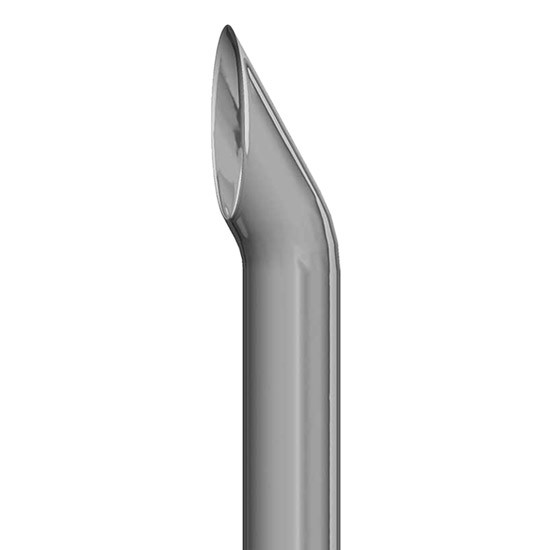
LC Stainless Steel Short 30 Exhaust Stack
LINCOLN CHROME
$335.99 - $984.99Choose Option(s) to see description.Fitment** Universal - Fits Multiple Makes & Models Of TrucksLC 6-5 X 24 Chrome Short 30 Exhaust Stack6-5 X 24 Inch Short 30 Exhaust Stack By Lincoln Chrome* High...PPR_301138- SKU:
- PPR_301138
- Product Type:
- Exhaust
- Diameter Options:
- 6 To 5 Inch
- Height Options:
- 120 Inch
- Location:
- Made In USA
- Finish Options:
- Polished
- Height Options:
- 84 Inch
- Diameter Options:
- 8 Inch
- Height Options:
- 72 Inch
- Diameter Options:
- 7 Inch
- Style Options:
- Short 30 Turn
- Height Options:
- 24 Inch
- Material Options:
- Stainless Steel
- Make:
- Universal Items
$335.99 - $984.99Qty in Cart: 0Price:$335.99 - $984.99Subtotal: -

LC 72 Chrome Miter Top Stack W/ 7 ID To 5 ID
LINCOLN CHROME
$673.9972 Inch Miter Top Stack W/ 7 ID To 5 ID By Lincoln Chrome* High Quality Exhaust Stack* Made Of Chrome Plated Carbon Steel* Miter Top Style* Dimensions: - 72 Inch Height - 7 Inch ID Reduced To 5...09-080100597- SKU:
- 09-080100597
- Product Type:
- Exhaust
- Diameter Options:
- 7 To 5 Inch
- Material Options:
- Steel
- Location:
- Made In USA
- Style Options:
- Miter Cut
- Height Options:
- 72 Inch
- Finish Options:
- Chrome-Plated
- Position:
- Kit Full
- Make:
- Universal Items
$673.99Qty in Cart: 0Price:$673.99Subtotal: -

American Eagle 7 X 114 Inch Stainless Steel Top Stack W/ Style Options
AMERICAN EAGLE EXHAUST
$1,049.99 - $1,102.99Choose Option(s) to see description.Fitment** Universal - Fits Multiple Makes & Models Of TrucksAmerican Eagle 7 X 114 Inch Stainless Steel Flat Top Exhaust Stack7 X 114 Inch Stainless Steel Flat Top...PPR_301094- SKU:
- PPR_301094
- Height Options:
- 114 Inch
- Style Options:
- Flat Top
- Diameter Options:
- 7 Inch
- Truck Class:
- Universal
- Location:
- Made In USA
- Product Type:
- Exhaust
- Style Options:
- Goncho Turn
- Style Options:
- West Coast Turn
- Material Options:
- Stainless Steel
- Style Options:
- Miter Cut
- Make:
- Universal Items
- Ready To Ship:
- Yes
$1,049.99 - $1,102.99Qty in Cart: 0Price:$1,049.99 - $1,102.99Subtotal: -

LC 44 Inch Flat Top Exhaust Stack W/ 8 OD Top & 5 OD Bottom
LINCOLN CHROME
$492.9944 Chrome Flat Top Exhaust Stack W/ 8 OD Top & 5 OD Bottom By Lincoln Chrome* High Quality Exhaust Top Stack* Made Of Chrome Plated Carbon Steel* Flat Top Style* Extended Reduction Design*...09-08854403- SKU:
- 09-08854403
- Diameter Options:
- 8 To 5 Inch
- Location:
- Made In USA
- Material Options:
- Carbon Steel
- Finish Options:
- Chrome-Plated
- Style Options:
- Flat Top
- Product Type:
- Exhaust
- Height Options:
- 44 Inch
- Make:
- Universal Items
$492.99Qty in Cart: 0Price:$492.99Subtotal: -
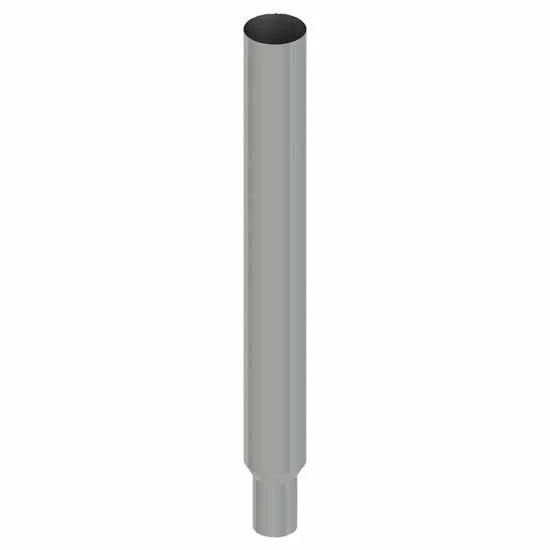
LC 30 Chrome Flat Top Exhaust Stack W/ 7 X 5 Inch OD & Extended Reduction Design
LINCOLN CHROME
$301.9930 Inch Flat Top Exhaust Stack W/ 7 X 5 Inch OD & Extended Reduction Design By Lincoln Chrome* High Quality Exhaust Top Stack* Made Of Chrome Plated Carbon Steel* Flat Top Style* Extended Reduction...09-085030000- SKU:
- 09-085030000
- Diameter Options:
- 7 To 5 Inch
- Material Options:
- Carbon Steel
- Location:
- Made In USA
- Finish Options:
- Chrome-Plated
- Style Options:
- Flat Top
- Product Type:
- Exhaust
- Height Options:
- 30 Inch
- Make:
- Universal Items
$301.99Qty in Cart: 0Price:$301.99Subtotal: -

LC 60 Chrome Flat Top Exhaust Stack W/ Extended Reduction Design 7 OD Top & 5 OD Bottom
LINCOLN CHROME
$458.9960 Inch Flat Top Exhaust Stack W/ Extended Reduction Design 7 OD Top & 5 OD Bottom By Lincoln Chrome* High Quality Exhaust Top Stack* Made Of Chrome Plated Carbon Steel* Flat Top Style* Extended...09-087560102- SKU:
- 09-087560102
- Location:
- Made In USA
- Height Options:
- 60 Inch
- Diameter Options:
- 7 To 5 Inch
- Style Options:
- Flat Top
- Finish Options:
- Chrome-Plated
- Material Options:
- Carbon Steel
- Product Type:
- Exhaust
- Make:
- Universal Items
$458.99Qty in Cart: 0Price:$458.99Subtotal: -

LC 5 X 48 Chrome Flat Top Exhaust Stack
LINCOLN CHROME
$212.995 X 48 Inch Flat Top Exhaust Stack By Lincoln Chrome* High Quality Exhaust Top Stack* Made Of Chrome Plated Carbon Steel* Flat Top Style* ID Expanded End Form Design (Non-Reduced)* Dimensions: - 48...09-085048103- SKU:
- 09-085048103
- Finish Options:
- Chrome-Plated
- Material Options:
- Carbon Steel
- Height Options:
- 48 Inch
- Product Type:
- Exhaust
- Diameter Options:
- 5 Inch
- Style Options:
- Flat Top
- Location:
- Made In USA
- Make:
- Universal Items
$212.99Qty in Cart: 0Price:$212.99Subtotal: -

LC 84 Chrome Flat Top Exhaust Stack W/ OD Straight Cut Design 6 OD Top & 5 OD Bottom
LINCOLN CHROME
$622.9984 Inch Flat Top Exhaust Stack W/ OD Straight Cut Design 6 OD Top & 5 OD Bottom By Lincoln Chrome* High Quality Exhaust Top Stack* Made Of Chrome Plated Carbon Steel* Flat Top Style* OD Straight Cut...09-086084003- SKU:
- 09-086084003
- Height Options:
- 84 Inch
- Finish Options:
- Chrome-Plated
- Style Options:
- Flat Top
- Product Type:
- Exhaust
- Location:
- Made In USA
- Diameter Options:
- 6 Inch
- Material Options:
- Carbon Steel
- Make:
- Universal Items
$622.99Qty in Cart: 0Price:$622.99Subtotal: -
FREE SHIPPING
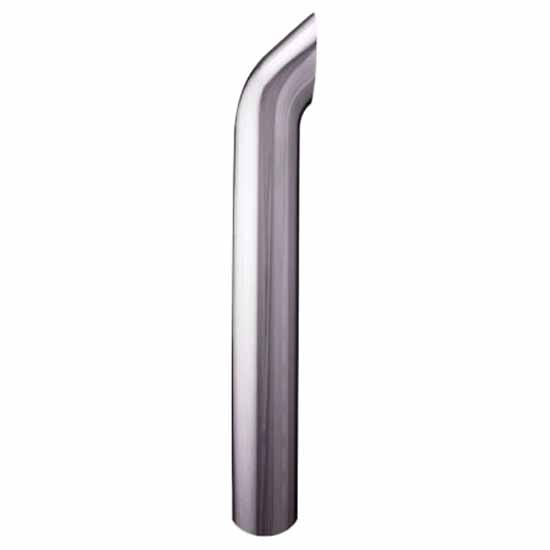
BESTfit Chrome West Coast Exhaust Stack
BESTFIT TRUCK PARTS
$195.99 - $786.99Choose Option(s) to see description.Fitment** Universal - Fits Multiple Makes & Models Of TrucksBESTfit 5 X 36 Chrome West Coast Exhaust Stack5 X 36 Inch West Coast Exhaust Stack By BESTfit* High...PPR_301087- SKU:
- PPR_301087
- Product Type:
- Exhaust
- Diameter Options:
- 8 Inch
- Height Options:
- 44 Inch
- Height Options:
- 96 Inch
- Diameter Options:
- 5 Inch
- Diameter Options:
- 7 Inch
- Finish Options:
- Chrome-Plated
- Height Options:
- 36 Inch
- Height Options:
- 54 Inch
- Height Options:
- 72 Inch
- Material Options:
- Steel
- Diameter Options:
- 6 Inch
- Height Options:
- 108 Inch
- Height Options:
- 60 Inch
- Style Options:
- West Coast Turn
- Make:
- Universal Items
- Location:
- Made In USA
- Ready To Ship:
- Yes
$195.99 - $786.99Qty in Cart: 0Price:$195.99 - $786.99Subtotal: -

BESTfit 3 Inch Chrome Wide Smooth Exhaust Clamp
BESTFIT TRUCK PARTS
$114.99 - $133.99Choose Option(s) to see description.Fitment** Universal - Fits Multiple Makes & Models Of TrucksBESTfit 6 X 3 Inch Chrome Wide Smooth Exhaust Clamp Replaces 50BJ-600SCP6 X 3 Inch Chrome Wide Smooth...PPR_301076- SKU:
- PPR_301076
- Product Type:
- Exhaust
- Diameter Options:
- 6 Inch
- Material Options:
- Steel
- Diameter Options:
- 7 Inch
- Style Options:
- Smooth
- Finish Options:
- Chrome-Plated
- Diameter Options:
- 8 Inch
- Width Options:
- 3 Inch
- Make:
- Universal Items
- Location:
- Made In USA
$114.99 - $133.99Qty in Cart: 0Price:$114.99 - $133.99Subtotal: