
Freightliner Cabover Drivetrain Parts
Improve your truck's performance with our top-of-the-line Freightliner FLT Cabover drivetrain parts, such as aftermarket camshafts, U-joint kits, and lift axle control panels. Check out 4 State Trucks for quality replacement options today.
- Product
- Qty in Cart
- Quantity
- Price
- Subtotal
-
FREE SHIPPING OVER $249

Seal Tail Shaft For Rockwell RD20145 - Replaces A1205P2590
OPP - ORIGINAL PARTS PROGRAM
$48.04Seal Tail Shaft* High Quality Seal Tail Shaft* For Rockwell RD20145* Replaces OEM # A1205P2590, 100495* Sold Individually* Warranty On Seal Tail Shaft Against Defects In Workmanship & Material From...09-05212009- SKU:
- 09-05212009
- Truck Class:
- Universal
- Material Options:
- Rubber
- Make:
- Universal Items
- Product Type:
- Frame & Chassis
$48.04Qty in Cart: 0Price:$48.04Subtotal: -
FREE SHIPPING OVER $249
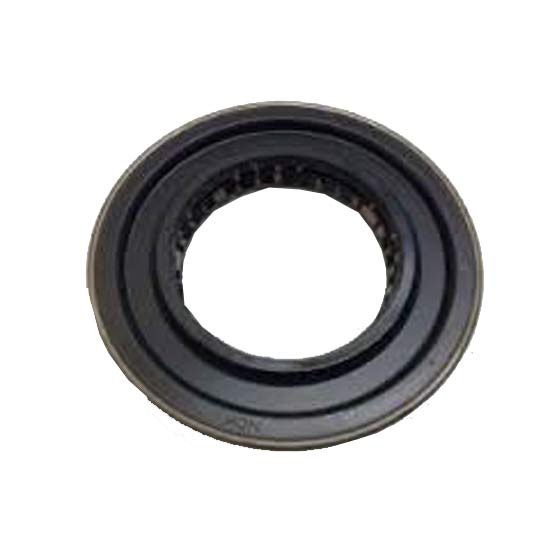
Seal Pinion For Rockwell RR20145 - Replaces A1205N2588
OPP - ORIGINAL PARTS PROGRAM
$60.99Seal Pinion* High Quality Seal Pinion* For Rockwell RR20145* Replaces OEM # A1205N2588, 100263* Sold Individually* Warranty On Seal Pinion Against Defects In Workmanship & Material From Date Of...09-05212008- SKU:
- 09-05212008
- Truck Class:
- Universal
- Material Options:
- Rubber
- Make:
- Universal Items
- Product Type:
- Frame & Chassis
$60.99Qty in Cart: 0Price:$60.99Subtotal: -
FREE SHIPPING OVER $249

Nut For Pinion & Tail Shaft Rockwell RD-RR2014 - Replaces KIT2637
OPP - ORIGINAL PARTS PROGRAM
$24.74Nut Pinion And Tail Shaft* High Quality Nut Pinion And Tail Shaft* For Rockwell RD-RR2014* Replaces OEM # KIT2637* Sold Individually* Warranty On Nut Pinion And Tail Shaft Against Defects In...09-05212007- SKU:
- 09-05212007
- Truck Class:
- Universal
- Make:
- Universal Items
- Product Type:
- Frame & Chassis
$24.74Qty in Cart: 0Price:$24.74Subtotal: -
FREE SHIPPING OVER $249

Nut For Input Shaft Rockwell RD20145 - Replaces KIT2638
OPP - ORIGINAL PARTS PROGRAM
$31.18Nut Input Shaft* High Quality Nut Input Shaft* For Rockwell RD20145* Replaces OEM # KIT2638* Sold Individually* Warranty On Nut Input Shaft Against Defects In Workmanship & Material From Date Of...09-05212006- SKU:
- 09-05212006
- Truck Class:
- Universal
- Make:
- Universal Items
- Product Type:
- Frame & Chassis
$31.18Qty in Cart: 0Price:$31.18Subtotal: -
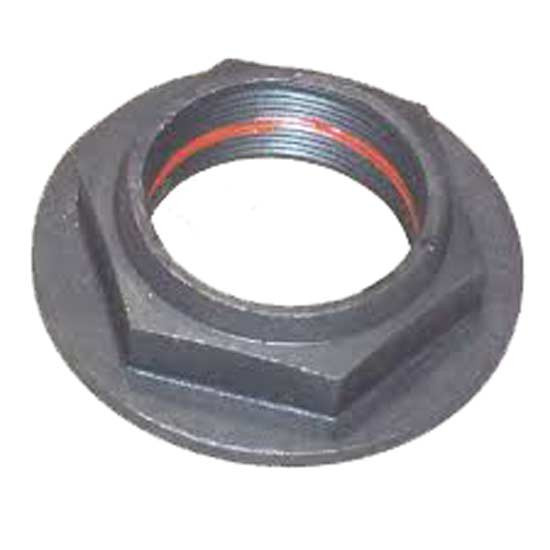
Locking Nut For Input Shaft DSP40-404
OPP - ORIGINAL PARTS PROGRAM
$22.76Locknut Input Shaft* High Quality Nut Flanged Lock Output Shaft* Rear Input Shaft For Eaton DSP40-404* Replaces OEM # 128049* Sold Individually* Warranty On Locknut Input Shaft Against Defects In...09-05212005- SKU:
- 09-05212005
- Position:
- Rear
- Truck Class:
- Universal
- Material Options:
- Steel
- Make:
- Universal Items
- Product Type:
- Frame & Chassis
$22.76Qty in Cart: 0Price:$22.76Subtotal: -
FREE SHIPPING OVER $249

Flanged Locking Nut For Pinion RSP40-404
AUTOMANN USA
$10.20Nut Flanged Lock Pinion* High Quality Nut Flanged Lock Output Shaft* Rear Output Shaft For Eaton RSP40-404* Replaces OEM # 127589* Sold Individually* Warranty On Nut Flanged Lock Pinion Against...09-05212004- SKU:
- 09-05212004
- Position:
- Rear
- Truck Class:
- Universal
- Material Options:
- Steel
- Make:
- Universal Items
- Product Type:
- Frame & Chassis
- Ready To Ship:
- Yes
$10.20Qty in Cart: 0Price:$10.20Subtotal: -
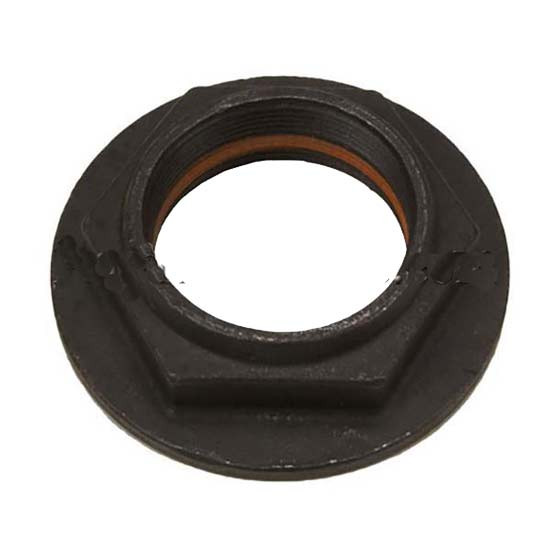
Flanged Locking Nut For Rear Output Shaft Replaces 127588
AUTOMANN USA
$13.38Nut Flanged Lock Rear Output* High Quality Nut Flanged Lock Output Shaft* Rear Output Shaft For Eaton DSP40-404* Replaces OEM # 127588* Sold Individually* Warranty On Nut Flanged Lock Output Shaft...09-05212003- SKU:
- 09-05212003
- Truck Class:
- Universal
- Position:
- Rear
- Material Options:
- Steel
- Make:
- Universal Items
- Product Type:
- Frame & Chassis
$13.38Qty in Cart: 0Price:$13.38Subtotal: -

Oil Seal Rear Output Shaft Replaces 127592
OPP - ORIGINAL PARTS PROGRAM
$120.99Rear Output Oil Seal For Eaton DSP40-404* High Quality Oil Seal Rear Output Shaft* Replaces OEM # 127592* Sold Individually* Warranty On Output Shaft Against Defects In Workmanship & Material From...09-05212002- SKU:
- 09-05212002
- Position:
- Rear
- Truck Class:
- Universal
- Make:
- Universal Items
- Product Type:
- Frame & Chassis
$120.99Qty in Cart: 0Price:$120.99Subtotal: -
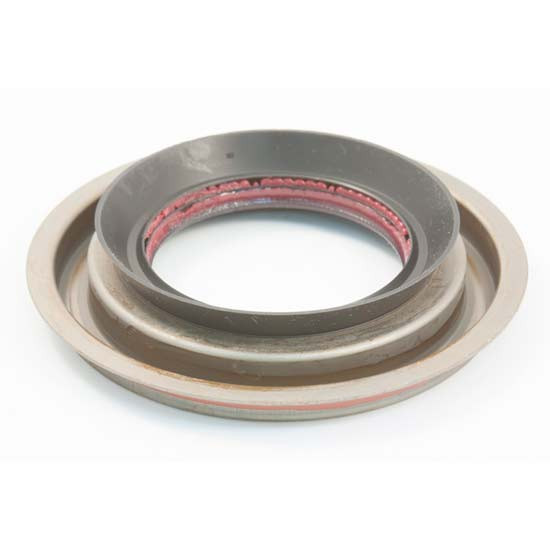
Oil Seal Differential Input Shaft For Eaton DSP & RSP40-404 - Replaces 127591
OPP - ORIGINAL PARTS PROGRAM
$47.83Oil Seal Differential Input Shaft* High Quality Oil Seal Differential Input Shaft* Replaces OEM # 127591* Sold Individually* Warranty On Input Shaft Against Defects In Workmanship & Material From...09-05212001- SKU:
- 09-05212001
- Truck Class:
- Universal
- Material Options:
- Aluminum
- Make:
- Universal Items
- Product Type:
- Frame & Chassis
$47.83Qty in Cart: 0Price:$47.83Subtotal: -
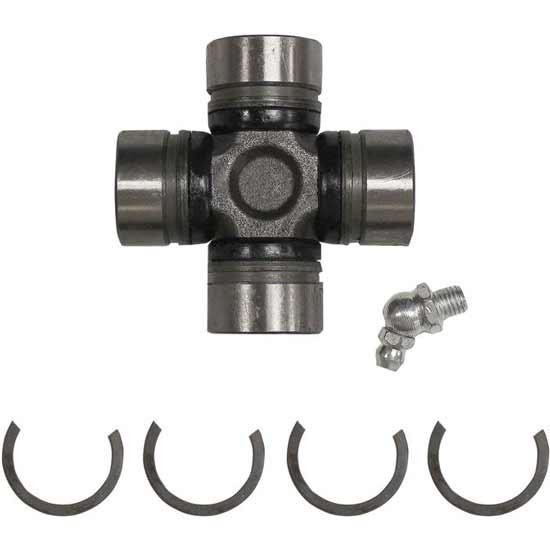
Cross PTO Style Universal Joint Replaces 2599582C91 For International ProStar, Volvo VNL Gen II, Peterbilt 379
AUTOMANN USA
$12.01Cross PTO Style Universal Joint Fits International ProStar, Volvo VNL Gen II & Peterbilt 379Enhance PTO reliability with the Cross PTO Style Universal Joint, engineered for International ProStar,...09-052100001- SKU:
- 09-052100001
- Length Options:
- 10 Inch
- Truck Class:
- Universal
- Make:
- Universal Items
- Product Type:
- Frame & Chassis
- Ready To Ship:
- Yes
$12.01Qty in Cart: 0Price:$12.01Subtotal: -

Stainless Steel Steerable Lift Axle APSCO Control Panel
AUTOMANN USA
$899.997 X 3 X 5 14 Gauge Stainless Steel APSCO Steer Axle Control Panel* High Quality Control Panel* Silver Finish* 14 Gauge Stainless Steel* Dimensions - 7 Inch Length - 3 Inch Width - 5 Inch Diameter*...09-052000002- SKU:
- 09-052000002
- Truck Class:
- Universal
- Diameter Options:
- 5 Inch
- Width Options:
- 3 Inch
- Length Options:
- 7 Inch
- Material Options:
- Stainless Steel
- Make:
- Universal Items
- Product Type:
- Frame & Chassis
$899.99Qty in Cart: 0Price:$899.99Subtotal: -
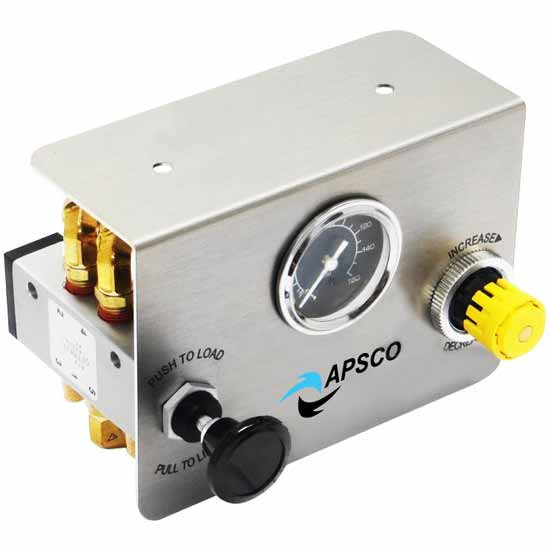
Stainless Steel Lift Axle APSCO Control Panel
AUTOMANN USA
$662.997 X 3 X 5 14 Gauge Stainless Steel APSCO Lift Axle Control Panel* High Quality Control Panel* Silver Finish* 14 Gauge Stainless Steel* Dimensions - 7 Inch Length - 3 Inch Width - 5 Inch Diameter*...09-052000001- SKU:
- 09-052000001
- Diameter Options:
- 5 Inch
- Width Options:
- 3 Inch
- Length Options:
- 7 Inch
- Truck Class:
- Universal
- Material Options:
- Stainless Steel
- Make:
- Universal Items
- Product Type:
- Frame & Chassis
$662.99Qty in Cart: 0Price:$662.99Subtotal: -
FREE SHIPPING OVER $249

BESTfit Camshaft Repair Kit Services One Wheel W/ INTRAAX Axle
BESTFIT TRUCK PARTS
$29.10Camshaft Repair Kit For INTRAAX 16.5 Inch HXS Wheel By BESTfitKeep your INTRAAX axle performing at peak efficiency with the BESTfit Camshaft Repair Kit, engineered for long-lasting durability...09-051700008- SKU:
- 09-051700008
- Length Options:
- 16 Inch
- Truck Class:
- Universal
- Make:
- Universal Items
- Product Type:
- Frame & Chassis
- Ready To Ship:
- Yes
$29.10Qty in Cart: 0Price:$29.10Subtotal: