


null
Shop by Make, Model & Year
Freightliner FL70-FL80 Engine Parts & Cooling

Freightliner FL70-FL80 Engine Parts & Cooling

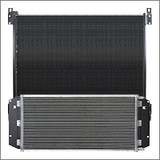
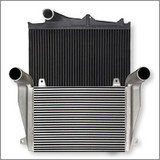
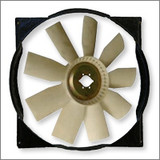
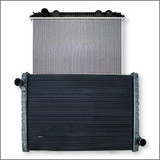
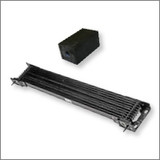
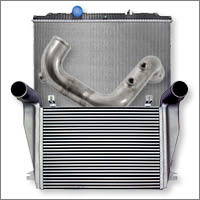
Upgrade your truck's efficiency with high-quality Freightliner FL70-FL80 engine cooling parts available at 4 State Trucks. Explore our inventory of Radiators, Charge Air Coolers, Fan Shrouds, Filters, and Transmission Coolers designed to optimize your truck's performance. Rely on 4 State Trucks for premium solutions to maintain your truck's operational excellence.

Freightliner FL70-FL80 Engine Parts & Cooling

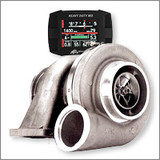
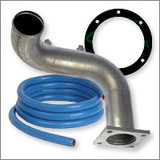
Experience the power and performance of the Freightliner FL70-FL80 with our extensive range of engine parts and cooling components. Designed to deliver reliable and efficient operation, these top-quality parts include high-performance air filters, sturdy radiator tubes and gaskets, and durable charge air coolers. Boost your FL70-FL80's engine output and maintain optimal temperatures with our selection of engine and performance upgrades. Whether you need to replace worn parts or enhance your truck's capabilities, our Freightliner FL70-FL80 Engine Parts & Cooling product lineup has everything you need to keep your rig running at its best. Shop now and unlock the full potential of your Freightliner FL70-FL80.

Frequently Asked Questions About Freightliner FL70-FL80 Engine Parts & Cooling

What year models are these engine parts compatible with for the FL70 and FL80?

Most of our engine parts and cooling components are compatible with Freightliner FL70 and FL80 models from 1994 through 2007. However, compatibility can vary based on your specific engine type (Caterpillar 3126, Cummins ISB, or Mercedes MBE900). Always verify your engine serial number and model year before ordering, as some parts changed mid-year. We recommend calling our tech support team with your OEM if you're unsure about fitment.

How difficult is it to replace a radiator on an FL70 or FL80, and what tools do I need?

Radiator replacement typically takes 3-4 hours for someone with moderate mechanical experience. You'll need basic hand tools, including metric and standard sockets, a coolant drain pan (minimum 4-gallon capacity), and potentially a hoist or jack for support. The main challenges are accessing the lower radiator mounts and disconnecting the transmission cooler lines without damage. Many customers report the top tank connections can be tight - using penetrating oil beforehand helps. Always replace the radiator cap and thermostat when installing a new radiator.

What's the difference between aluminum and plastic-tank radiators for these trucks?

Aluminum radiators offer superior cooling capacity and typically last 10-15 years, while plastic-tank radiators are more affordable but generally need replacement every 5-7 years. Aluminum units handle temperature fluctuations better and are repairable if damaged, whereas plastic tanks can crack and aren't serviceable. For heavy-duty applications or hot climates, we strongly recommend aluminum. The initial cost difference (usually $200-300 more) pays for itself in longevity and reduced downtime.

Why is my FL70/FL80 overheating even after replacing the thermostat and coolant?

The most overlooked causes are a clogged radiator (even if it looks clean externally), a failing water pump impeller, or air pockets in the cooling system. First, check if your fan clutch engages properly - it should lock up when the engine reaches operating temperature. Also verify your radiator cap holds proper pressure (typically 15-16 PSI). Many FL series trucks develop internal radiator blockages that aren't visible. If basic components check out, have your radiator flow-tested or consider replacement if it's over 8 years old.

What coolant type should I use, and how much does the system hold?

Most FL70/FL80 models require heavy-duty extended life coolant (ELC) meeting CAT EC-1 or Cummins 14603 specifications. The cooling system capacity varies by engine: Caterpillar 3126 engines hold approximately 7.5 gallons, Cummins ISB engines hold about 6.5 gallons, and Mercedes MBE900 engines hold around 8 gallons. Never mix conventional green coolant with red ELC coolant - this can cause gel formation and system blockage. When switching coolant types, perform a complete flush with distilled water first.


Introducing the Official 4 State Trucks Mobile App – Gear Up On the Go!