The Freightliner Coronado Frame & Chassis product lineup offers a comprehensive selection of high-quality truck parts and accessories designed to enhance the functionality, performance, and appearance of Freightliner Coronado models. With a focus on the frame and chassis components, this product lineup provides a wide range of options to meet the diverse needs of Coronado owners, from replacement parts to customization and upgrade options.
Featuring popular Coronado models like the 132, 113, and 125, this product lineup covers essential elements such as air suspension components, brakes, steering, and leaf springs, ensuring a smooth and reliable ride. Customers can also find a variety of chassis-related accessories, including frame light bars, deck plates, and air line boxes, to improve the overall look and organization of their Coronado.
Whether you're in need of frame parts,
tool boxes,
fuel tanks or
mud flaps, your Freightliner Coronado, our product lineup has you covered with high-quality, durable products that are sure to meet your expectations. Explore this comprehensive selection and find the perfect solutions to keep your Coronado running at its best.
Frequently Asked Questions About Freightliner Coronado Frame & Chassis
What years and models of Freightliner Coronado are these bumpers compatible with?
Most aftermarket bumpers for the Freightliner Coronado are designed to fit models from 2001 to present, including both the SD (Set-Back Axle) and Classic versions. However, there are specific differences between pre-2010 and post-2010 models due to headlight mounting changes. Always verify compatibility by checking your OEM and confirming whether you have a 122SD, 132, or other Coronado variant, as mounting brackets and width specifications can vary between these models.
What materials are these bumpers made from, and how thick is the steel?
Quality aftermarket Coronado bumpers are typically constructed from either 16-gauge (.0598") or 14-gauge (.0747") cold-rolled steel, with premium options featuring 12-gauge (.1046") steel for maximum durability. Chrome bumpers feature triple-chrome plating over nickel and copper base layers, while painted options use automotive-grade primer and powder coating. Stainless steel bumpers are usually made from 304-grade stainless, offering superior corrosion resistance for harsh weather conditions.
Can I install these bumpers myself, or do I need professional help?
Installation typically takes 3-4 hours for experienced mechanics and can be done with standard shop tools including impact wrenches, socket sets, and a floor jack or lift. Most bumpers use existing frame mounting points, but some heavy-duty options may require drilling additional holes. Common challenges include aligning fog light wiring harnesses, ensuring proper clearance for air lines, and achieving correct bumper height. We recommend professional installation if you're adding accessories like deer guards or light bars, as these require precise alignment and additional wiring.
What finish options are available, and which holds up best?
Common finishes include mirror-polished chrome, brushed stainless steel, powder-coated black, and painted-to-match options. Chrome provides the classic look but requires regular polishing and can show pitting in salt-heavy regions after 3-5 years. Stainless steel offers the best long-term durability with minimal maintenance, though it costs 20-30% more initially. Powder-coated finishes resist chips and corrosion well but may fade after extended UV exposure. For maximum longevity in harsh conditions, we recommend stainless steel or powder-coated options with UV-resistant topcoats.
Will aftermarket bumpers affect my warranty or DOT compliance?
Properly designed aftermarket bumpers that meet FMVSS standards will not void your vehicle warranty or create DOT compliance issues. Look for bumpers that maintain factory mounting points, proper ground clearance (minimum 16 inches), and include provisions for required lighting and reflectors. Some states have specific requirements for bumper height and projection beyond the vehicle frame, so verify local regulations. Always retain your original bumper documentation and ensure any modifications are documented in case of warranty claims or inspections.



 Freightliner Coronado Air Springs & Level Valves
 Freightliner Coronado Air Tanks, Wraps & Mounting
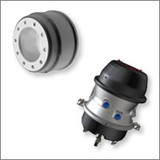 Freightliner Coronado Brake Parts & Acc.
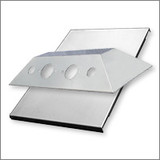 Freightliner Coronado Deck Plates & Air Line Boxes
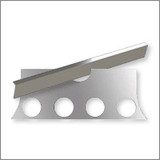 Freightliner Coronado Frame Light Bar-Filler Panel
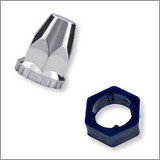 Freightliner Coronado Frame Nut Covers
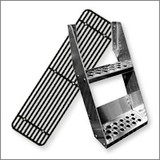 Freightliner Coronado Frame Steps & Acc.
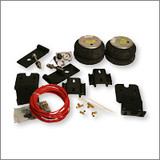 Freightliner Coronado Front Axle Air Ride Kits
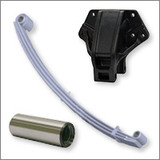 Freightliner Coronado Leaf Springs, Hangers & Acc.
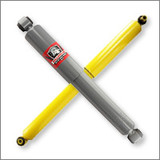 Freightliner Coronado Shock Absorbers
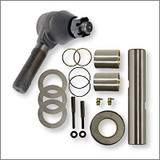 Freightliner Coronado Steering Parts & Acc.
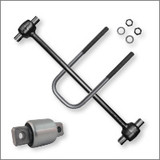 Freightliner Coronado Torque Rods & U-Bolts