

Peterbilt vs Kenworth: Which is Better?
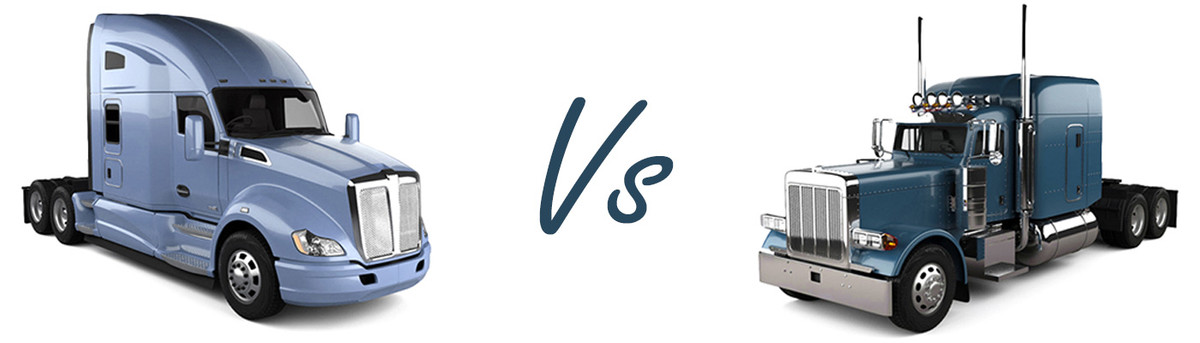
Most CDL owners are fixed on their favorite semi truck, be it Freightliner, Peterbilt, Kenworth, Mack, or the various other brands.
But when it boils down to choosing between a Peterbilt vs Kenworth, which is the better truck?
Truthfully, they're both amazing rigs. Each model offers a lot of power, awesome driver mechanics, unique features, and a smooth driving experience. Choosing one over the other depends on what you're able to afford upfront, your driving habits, and your personal style preferences.
Here's a detailed comparison between the two!
Kenworth vs Peterbilt Trucks: Pros and Cons
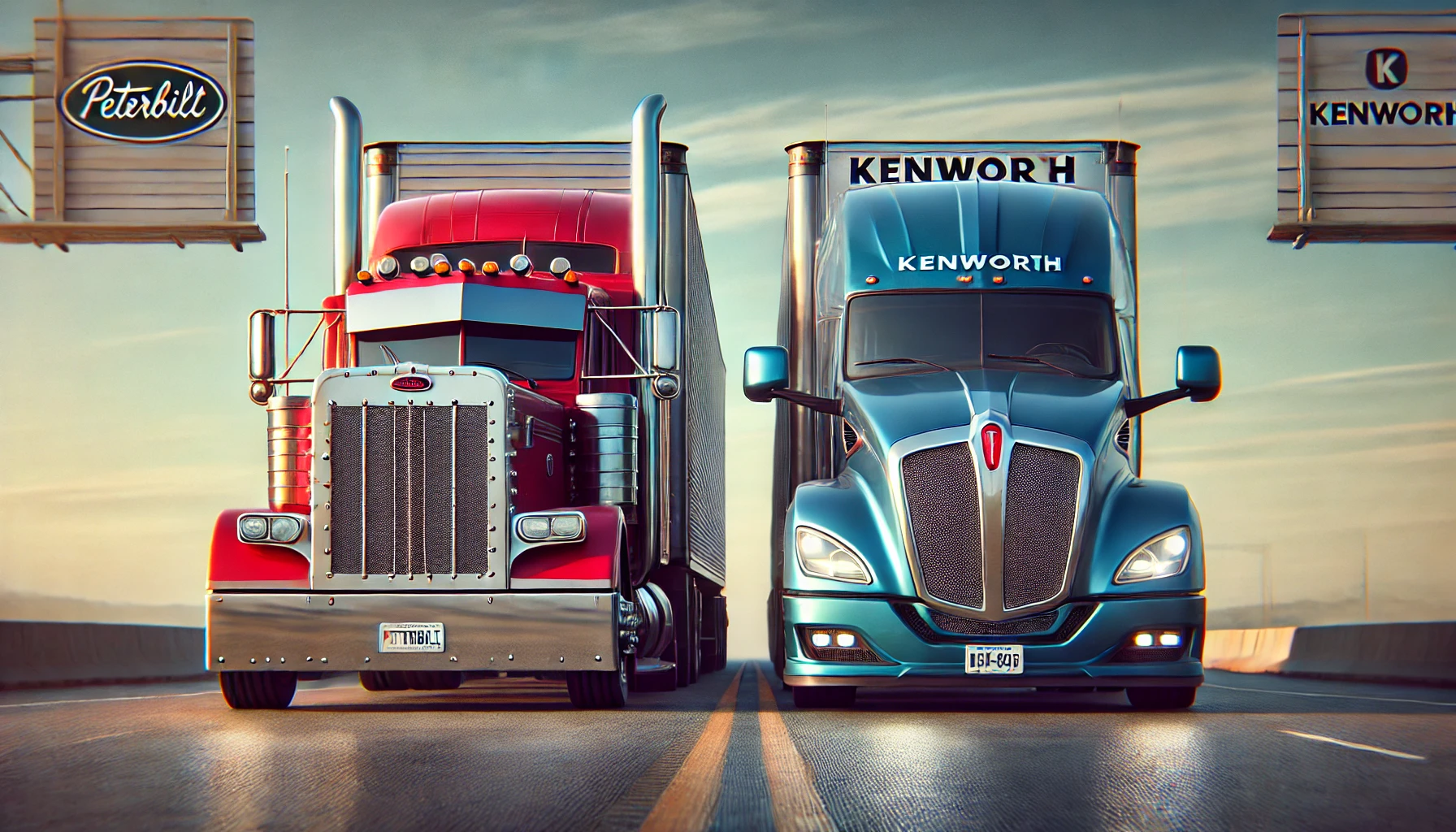
Between the two truck models, it’s a close call. There is no “better truck,” since both are fuel efficient and have a lot of torque.
However, Peterbilt tends to have more or less the same horsepower as Kenworth. Both of them offer a sleek, aerodynamic design meant to save an estimated 7% on fuel use.
Peterbilt is known for some iconic, stunning designs, like the classic Peterbilt 379 and the customizable Peterbilt 359, featuring a spacious cab with plenty of legroom room for drivers.
However, the long nose design of these models can present challenges with sightlines and handling in tight spaces.
Kenworth trucks are known for their technological efficiency and reliability, featuring flagship models like the Kenworth T680 and the classic W900L/W900B. The W900 has a narrower cab space while the T680 has a roomier cabin space, yet offers greater aerodynamic efficiency due to the curvature of the truck's body.
The price of aftermarket replacement truck parts and repair service costs are pretty much the same between Peterbilt and Kenworth.
Peterbilt Truck Overview
Peterbilt focus: customization and comfort.
Popular with owner/operators for its long-term value, Pete trucks are high-end models that have high resale value on the market.
Peterbilt trucks have a long history of driver-first features: spacious sleeper cab areas and comfortable cab designs. There are also countless aftermarket parts and accessories to bolster the comfort and functionality of your truck.
Why Choose Peterbilt:
- Higher aftermarket resale value
- Options for customizable accessories for interior and exterior
- Durable, high-quality components
- Spacious cabin with a bit more legroom
Downside of Peterbilt:
- More expensive option
- Aftermarket replacement parts are slightly more expensive
- High cost makes it difficult for fleet owners to own and maintain multiple trucks
Kenworth Truck Overview
Kenworth focus: efficiency and technology.
The initial cost investment for a Kenworth is slightly cheaper than Peterbilt. This makes it a better choice for businesses that need to run and maintain numerous vehicles, all while maintaining excellent comfort, driving visibility, and maneuverability.
Why Buy Kenworth:
- Fuel efficient
- Innovative, driver-safety tech on the dash
- Reliable for long hauls
- Lower upfront costs than Peterbilt
Cons of a Kenworth:
- Fewer customization options
- Lower resale value
- Cab and interior designs aren’t as extensive as Peterbilt
Snap-Shot of the Data: Peterbilt vs Other Popular Models
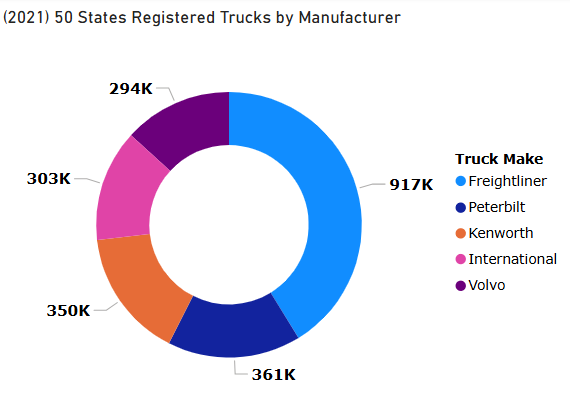
Be Warned: Our registered owner data was collected in 2021. However, the trends generally remain the same in 2026:
- Peterbilt is still the second-most frequently owned semi truck in the United States
- Kenworth follows closely behind with just 11K less registered
- Freightliner still takes the lead by a wide margin as the most common truck on the road
Which Option is Better for Owner-Operators vs Fleet Owners?
Owner-Operators:
- Peterbilt offers better driver comfort and provides a high resale value for a truck driver looking to invest in a single rig for long-term use.
Fleet Owners:
- Kenworth’s low operating costs make it great for scaling a large collection of tractor-trailer trucks.
Which is Better for Long-Haul vs Short-Haul Truck Drivers?
Kenworth beats Peterbilt on short-haul drives, but just barely. It can maneuver tight corners and urban environments with greater ease, not to mention greater visibility.
Kenworth offers an aerodynamic design, great fuel efficiency, tech-infused productivity features, solid maneuverability, and a lower upfront cost.
Now, when it comes to comfortable long-haul drives (and a better resale value), Peterbilt is the winner.
Here's another breakdown:
| Category | Peterbilt | Kenworth |
|---|---|---|
| Comfort | Spacious Cabin | Aerodynamic Design |
| Fuel Efficiency | Less Critical Due to Short Distances | Aerodynamic, Better Mileage |
| Visibility | — | Better Sightlines, Urban-Friendly |
| Design | Classic Style, Aesthetic Appeal | Function over MPG Style |
| Upfront Cost | Higher Average Cost | More Affordable, Fleet-Friendly |
| Reliability | Same | Same |
Short-haul driving prioritizes:
- Maneuverability for urban or regional routes.
- Lower upfront costs thanks to less mileage.
- Easy entry and exit for frequent stops.
Long haul driving prioritizes:
- Comfort for long hours on the road
- Fuel efficiency to reduce costs
- Driver-friendly technology to help avoid fatigued driving
- Reliable for minimal downtime
Comparing Truck Performance: Peterbilt vs Kenworth
Engine Options
Kenworth and Peterbilt engines are both made by PACCAR or Cummins.
You have a choice between the MX-13, a 12.9-liter engine with 405-510 horsepower, and the MX-11, a 10.8-liter engine with up to 455 horsepower. Or, the following Cummins engines:
- Cummins X15N (newer natural gas engine)
- Cummins ISX12N (used in the Kenworth T680)
- Cummins ISX15
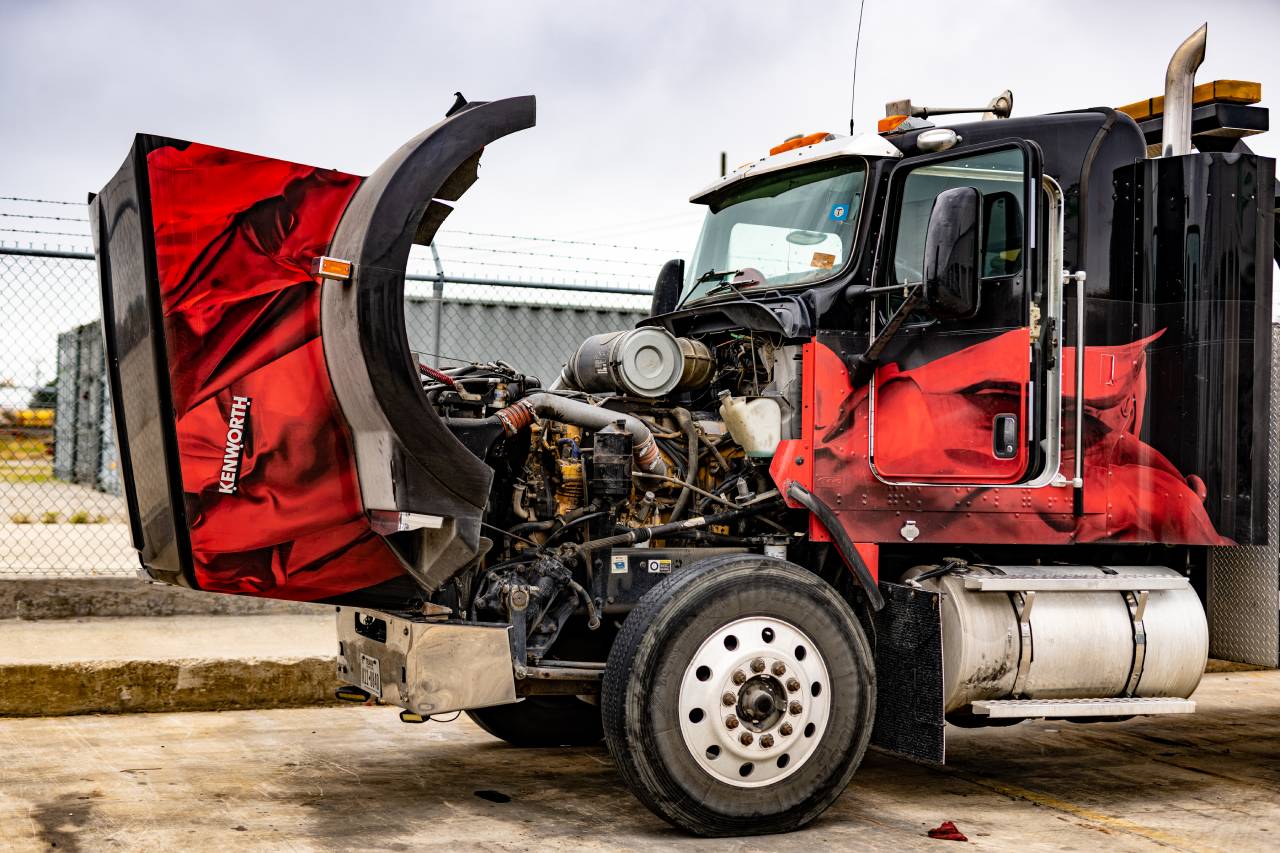
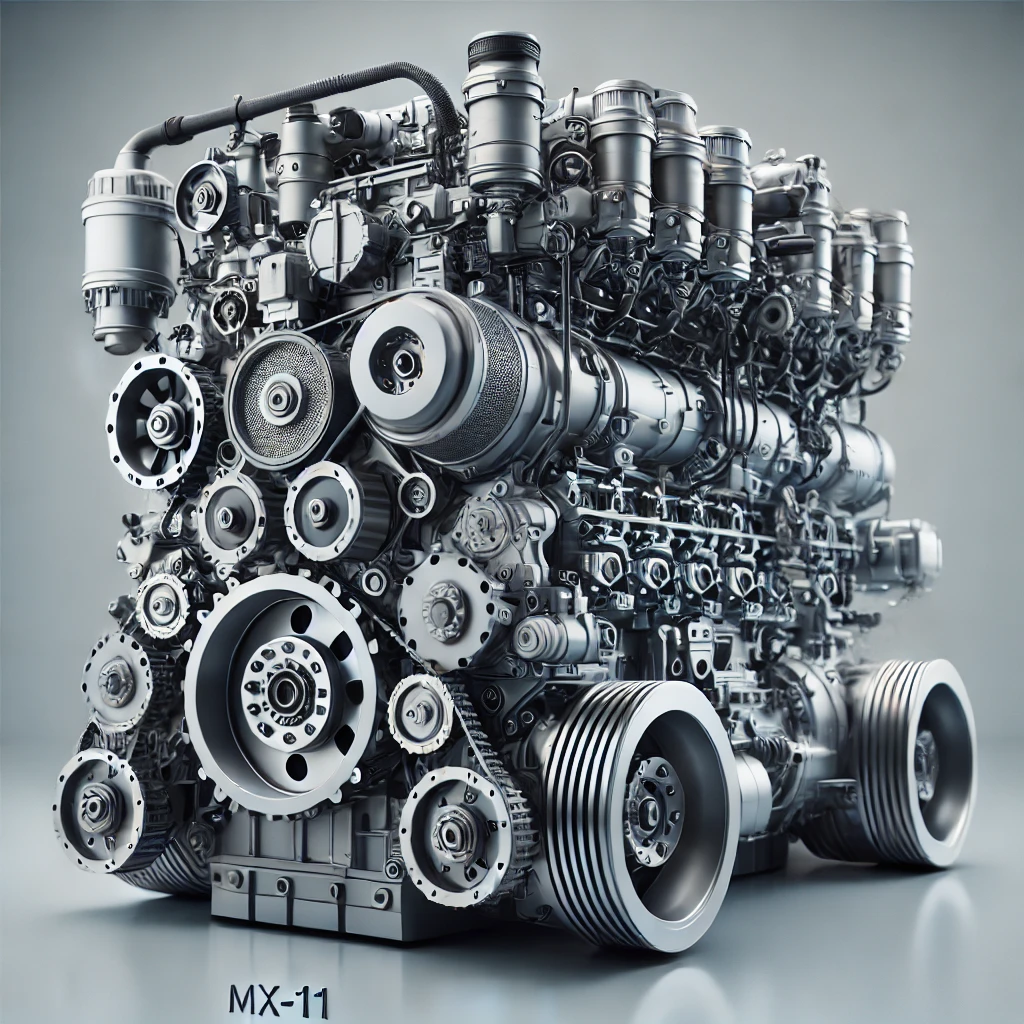
All of these engines come with a standard or automated transmission.
Fuel Efficiency
Kenworth offers innovative aerodynamics that aid in maneuverability across varied terrain, from close quarters in city streets to steep hills on bypasses.
The only models that offer similar fuel efficiency include the Peterbilt 579
Technological Innovation
When it comes to integrating the latest tech, it's likely that Kenworth beats Peterbilt.
Next-gen models like the 2025 T680 offer driver-optimized controls, torque-assisted steering technology, and more.
Durability and Maintenance
Peterbilt and Kenworth have great reliability. But when you need aftermarket semi truck parts for either one, Kenworth will be a slightly cheaper option.
Cost Differences: Peterbilt vs Kenworth
Upfront Pricing
Peterbilt: between $160,000 and $210,000 - largely depending on the model, year, mileage, and features. A used model could range from $70,000 to $150,000.
Kenworth: between $170,000 and $205,000, which varies based on age and condition.
Long-Term Costs
Aftermarket maintenance and parts will cost the same for both models, $15,000 annually on average.
Peterbilt offers slightly better fuel efficiency than Kenworth, as cited by numerous drivers.
Resale Value
Peterbilt has the highest resale value for the money spent.
Peterbilt vs Kenworth: Which is the Better Truck?
It depends on:
- Budget considerations
- Personal preference
- Operational needs
For long-haul owner-operators who want a stylish look, comfortable cabin, and excellent long-haul fuel efficiency, Peterbilt wins.
For long or short-haul fleet managers who need advanced tech, efficiency, and a generous price point, Kenworth is a better option.
Tips for Choosing Between a Peterbilt and Kenworth Model
Visit local dealers.
Experience the look and feel of each truck firsthand before you buy one.
Research extensively ahead of time.
Expand your knowledge of the differences between the two brands. Read CDL forums if you're looking for an answer to a specific idea or question.
Balance efficiency and comfort.
Although you want good fuel efficiency on the road, you’ll also be spending the majority of time in your truck. It has to feel comfortable.
What's Your Take?
Honestly, the choice between driving a Kenworth or a Peterbilt truck comes down to personal preference.
Recent Posts
-
Why is GBATS the Most Unique Truck Show in America?
 GBATS (Guilty By Association Truck Show) is a massive 3-day event that has the atmosphere of a carni …6th Feb 2026
 -
Peterbilt vs Freightliner: Which Semi Truck Is the Right Truck for Owner Operators?
 Looking to buy your next highway truck? If you’re choosing between Freightliner and Peterbilt to be …30th Jan 2026
 -
7 Best Trux Accessories LED Lighting Upgrades to Customize Your Rig
 In the world of aftermarket truck parts brands, the competition is fierce. With hundreds of manufact …23rd Jan 2026
 -
Fiberglass Fenders vs Aluminum & Poly Fenders: Which Material Wins?
 A stylish semi truck fender is among the best way to personalize and cusotmize your big rig. But whe …16th Jan 2026
 -
Haul of Fame: The Rat Rod (Custom-Built Peterbilt 359)
 Bryan Martin. A Peterbilt 359. Over a decade of scars, stories, and soul. Some trucks come and go …16th Jan 2026
 -
How Fibertech's Fiberglass Truck Parts Improve Airflow & Aesthetics
 Fibertech truck parts, known for their Fibertech fenders, whale tales, and sleeper roof caps, delive …9th Jan 2026
 -
Peterbilt vs Mack: Choosing Between Rugged or Classic Styles
 Let’s do a quick breakdown of Mack trucks vs Peterbilt trucks. Mack is naturally the cheaper, more a …2nd Jan 2026
 -
The Ultimate Guide to DPF Filters & DEF Systems on Semi Trucks
 Let’s break down how to maintain peak emissions performance and avoid excessive repairs. In this gui …30th Dec 2025
 -
How to Choose the Best Refrigerator for Your Semi Truck
 Every OTR truck driver needs reliable cooling for food and beverages on long haul drives. That's whe …26th Dec 2025
 -
Haul of Fame: Inside Ivy’s Poison – The Wild 1986 Peterbilt 359 That Refused to Die
 If you hang around truck shows long enough, you start hearing the same names over and over. Some are …19th Dec 2025