



Freightliner Rear Fenders
- Product
- Qty in Cart
- Quantity
- Price
- Subtotal
-
FREE SHIPPING

BLEMISHED: TPHD 18 GA SS Quarter Fender W/ Top Flaps 24 x 27 Inch
4 STATE TRUCKS
$449.0024 x 27 Inch Stainless Steel Quarter Fender With Top Flaps And HardwareNormally $683.98 Plus Shipping, Buy This One Now For $449 with Free Shipping! You Save $230+ Plus Shipping Cost!***BENT...ZB10001427- SKU:
- ZB10001427
- Truck Class:
- Heavy Duty
- Material Options:
- Stainless Steel
- Make:
- Universal Items
- Product Type:
- Rear Fenders
- Ready To Ship:
- Yes
$449.00Qty in Cart: 0Price:$449.00Subtotal: -
On SaleLimited Quantity Available
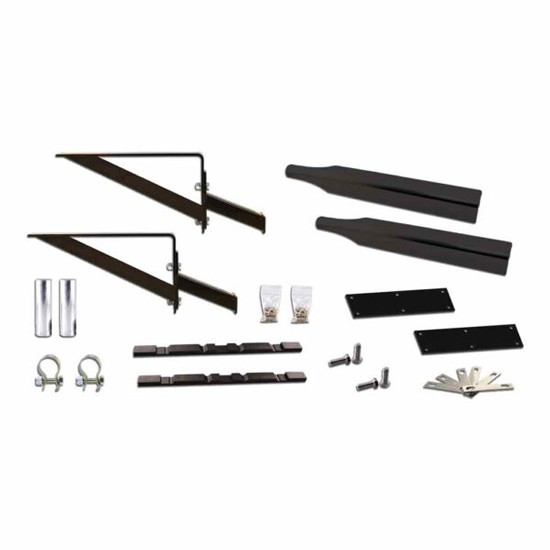
Black Stainless Steel Half Fender Mounting Kit W/ Hardware
TRUX ACCESSORIES
Now: $221.75Was: $251.99Half Fender Mounting Kit Black Stainless Steel W/ Triangle ArmsThis high quality Black Stainless Steel Mounting Kit for Half Fenders includes: 2 triangular mounting brackets, 2 black steel triangular...09-11188- SKU:
- 09-11188
- Color:
- Black
- Truck Class:
- Heavy Duty
- Make:
- Universal Items
- Material Options:
- Stainless Steel
- Product Type:
- Rear Fenders
- Ready To Ship:
- Yes
Now: $221.75Was: $251.99Qty in Cart: 0Price:Now: $221.75Was: $251.99Subtotal: -
On SaleLimited Quantity Available

Full Fender Mounting Kit – Triangular Brackets
TRUX ACCESSORIES
Now: $602.79Was: $684.99Heavy-Duty Full Fender Triangular Mounting Arm Kit* High Quality Mounting Kit* Includes: - (2) Adjustable Fender Brackets - (4) Clamps - (4) Threaded Post Mounts - (4) Triangle Mounts -...09-11100032- SKU:
- 09-11100032
- Size Options:
- 12 Gauge
- Product Type:
- Rear Fenders
- Make:
- Universal Items
- Ready To Ship:
- Yes
Now: $602.79Was: $684.99Qty in Cart: 0Price:Now: $602.79Was: $684.99Subtotal: -

Hogebuilt 304 Stainless Steel Quarter Fender W/ Height Options
HOGEBUILT FENDERS
$817.99 - $845.99Choose Option(s) to see description.Fitment** Universal - Fits Multiple Makes & Models Of TrucksHogebuilt 30 Inch 304 Stainless Steel Flush Mount Quarter FendersHogebuilt Premium Quarter Fenders With...PPR_301432- SKU:
- PPR_301432
- Length Options:
- 34 Inch
- Truck Class:
- Universal
- Size Options:
- 16 Gauge
- Product Type:
- Rear Fenders
- Style Options:
- Flush Mount
- Type Options:
- Quarter
- Make:
- Universal Items
- Ready To Ship:
- Yes
$817.99 - $845.99Qty in Cart: 0Price:$817.99 - $845.99Subtotal: -

Fiberglass Single Radius Custom Rear Fenders - Pair
FIBERTECH
$1,255.99Fiberglass Single Radius Custom Rear Fenders With 6 inch Side WallsCheck out this pair of fiberglass single radius custom rear fenders by Fibertech. These fenders have 6-inch side walls and are 1/4...09-1104069- SKU:
- 09-1104069
- Truck Class:
- Universal
- Height Options:
- 33 1/2 Inch
- Material Options:
- Fiberglass
- Make:
- Universal Items
- Product Type:
- Rear Fenders
- Light Options:
- Without Lights
- Ready To Ship:
- Yes
$1,255.99Qty in Cart: 0Price:$1,255.99Subtotal: -

TPHD Stainless Steel 24 Inch Quarter Fender W/ Triangle Arm Mount Design & 4 Inch Top Flap
TPHD
$269.9924 Inch Quarter Fender Stainless Steel W/ Triangle Arm Mount Design & 4 Inch Top Flap* High Quality Quarter Fender* Made Of 18 Gauge 430 Stainless Steel* Mirror Shine Finish* Includes: - (2) Quarter...09-110306066- SKU:
- 09-110306066
- Material Options:
- Stainless Steel
- Finish Options:
- Polished
- Type Options:
- Post Mount
- Location:
- Made In USA
- Position:
- Kit Full
- Style Options:
- Quarter Fender
- Height Options:
- 24 Inch
- Width Options:
- 24 Inch
- Product Type:
- Rear Fenders
- Make:
- Universal Items
- Ready To Ship:
- Yes
$269.99Qty in Cart: 0Price:$269.99Subtotal: -

Hogebuilt Stainless Steel Single Axle Fender W/ 3 Inch Flange & Length Options
HOGEBUILT FENDERS
$275.99 - $336.99Choose Option(s) to see description.Fitment** Universal - Fits Multiple Makes & Models Of TrucksHogebuilt Stainless Steel 48 Inch Single Axle Fender W/ 3 Inch Flange48 Inch Single Axle Fender...PPR_301208- SKU:
- PPR_301208
- Length Options:
- 60 Inch
- Style Options:
- Full Fender
- Finish Options:
- Polished
- Location:
- Made In USA
- Material Options:
- Stainless Steel
- Product Type:
- Rear Fenders
- Length Options:
- 48 Inch
- Make:
- Universal Items
$275.99 - $336.99Qty in Cart: 0Price:$275.99 - $336.99Subtotal: -
On Sale
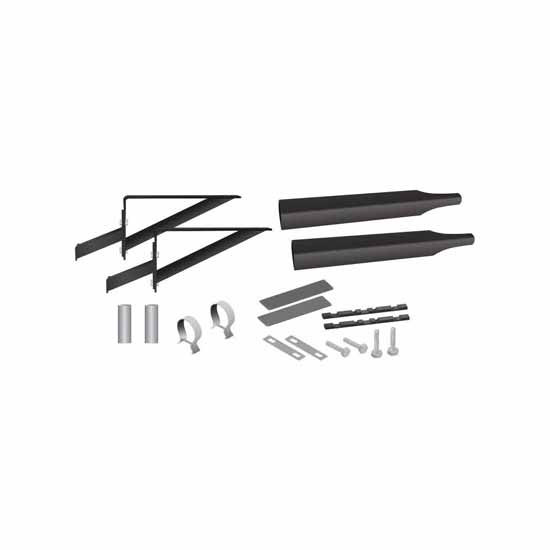
Stainless Steel Half Tandem Fender Mounting Kit W/ 2 Black 9 Inch Swivel Fender Brackets
TRUX ACCESSORIES
Now: $411.83Was: $467.99Half Tandem Fender Mounting Kit Stainless Steel W/ 2 Black 9 Inch Swivel Fender Brackets* High Quality Half Tandem Fender Mounting Kit* Made Of 14 Gauge Stainless Steel* Designed For Mounting Half...09-11100260- SKU:
- 09-11100260
- Product Type:
- Rear Fenders
- Make:
- Universal Items
Now: $411.83Was: $467.99Qty in Cart: 0Price:Now: $411.83Was: $467.99Subtotal: -
On Sale

Stainless Steel 80 Inch Super Single Axle Fenders W/ Flange & 26 Inch Drop
TRUX ACCESSORIES
Now: $568.47Was: $645.9980 Inch Stainless Steel Super Single Axle Fenders W/ Flange & 26 Inch Drop* High Quality Super Single Axle Fender* Made Of 16 Gauge Stainless Steel* Designed To Super Single Axles* With Flange*...09-110301017- SKU:
- 09-110301017
- Product Type:
- Rear Fenders
- Make:
- Universal Items
Now: $568.47Was: $645.99Qty in Cart: 0Price:Now: $568.47Was: $645.99Subtotal: -
On Sale

Polished Aluminum 80 Inch Single Axle Fender W/ Rolled Edge & 26 Inch Drop
TRUX ACCESSORIES
Now: $628.31Was: $713.9980 Inch Polished Aluminum Single Axle Fender W/ Rolled Edge & 26 Inch Drop* High Quality Single Axle Fender* Made Of Aluminum* Polished Finish* Designed To Fit 43.5 Inch OD Tires* Rolled Edge Design*...09-11010111- SKU:
- 09-11010111
- Product Type:
- Rear Fenders
- Make:
- Universal Items
Now: $628.31Was: $713.99Qty in Cart: 0Price:Now: $628.31Was: $713.99Subtotal: -

Stainless Steel Half Fender Mounting Kit W/ Hardware
TRUX ACCESSORIES
$143.99Half Fender Mounting Kit Stainless Steel W/ Hardware* High Quality Half Fender Mounting Kit* Made Of 14 Gauge Stainless Steel* Smooth Finish* Designed For Mounting Half Tandem Fenders (Fenders Not...09-11100263- SKU:
- 09-11100263
- Product Type:
- Rear Fenders
- Make:
- Universal Items
$143.99Qty in Cart: 0Price:$143.99Subtotal: -
On Sale
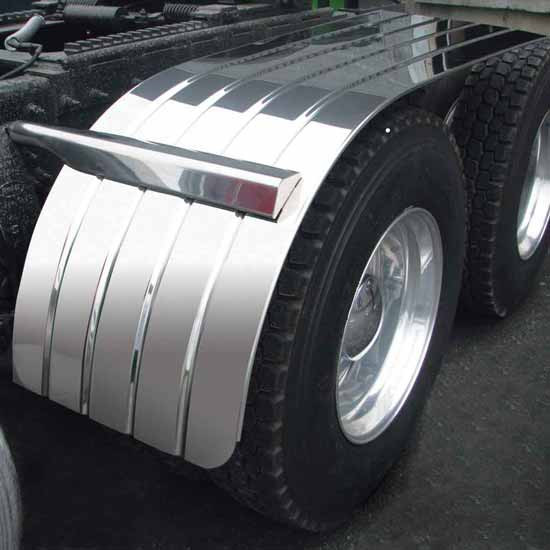
Galvanized Steel 60 Inch 4 Ribbed Half Fenders W/ Beaded Edge
TRUX ACCESSORIES
Now: $243.75Was: $276.9960 Inch Galvanized Steel 4 Ribbed Half Fenders W/ Beaded Edge* High Quality Half Fender* Made Of 16 Gauge Galvanized Steel* Designed To Fit 43.5 Inch OD Tires* Thin Beaded Edge Style* 4 Ribbed...09-110602000- SKU:
- 09-110602000
- Product Type:
- Rear Fenders
- Make:
- Universal Items
Now: $243.75Was: $276.99Qty in Cart: 0Price:Now: $243.75Was: $276.99Subtotal: -

Stainless Steel Full Fender Mounting Kit W/ 2 Angled Fender Brackets & Painted Black
TRUX ACCESSORIES
$345.99Full Fender Mounting Kit Stainless Steel W/ 2 Angled Fender Brackets & Painted Black* High Quality Full Fender Mounting Kit* Made Of 14 Gauge Stainless Steel* Designed To Mount Polycarbonate Full...09-11100264- SKU:
- 09-11100264
- Product Type:
- Rear Fenders
- Make:
- Universal Items
$345.99Qty in Cart: 0Price:$345.99Subtotal: -
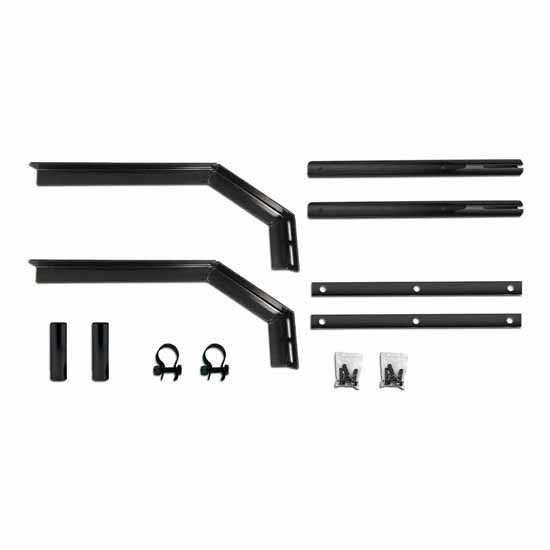
Stainless Steel Half Tandem Fender Mounting Kit W/ 2 Angled Fender Brackets & Painted Black
TRUX ACCESSORIES
$196.99Half Tandem Fender Mounting Kit Stainless Steel W/ 2 Angled Fender Brackets & Painted Black* High Quality Half Tandem Fender Mounting Kit* Made Of 14 Gauge Stainless Steel* Designed For Mounting...09-11100266- SKU:
- 09-11100266
- Product Type:
- Rear Fenders
- Make:
- Universal Items
$196.99Qty in Cart: 0Price:$196.99Subtotal: -

Black Steel Full Fender Mounting Kit W/ Hardware
TRUX ACCESSORIES
$419.99Full Fender Mounting Kit Black Steel W/ Hardware* High Quality Full Fender Mounting Kit* Made Of 14 Gauge Stainless Steel* Designed To Mount Polycarbonate Full Tandem Fenders (Fenders Not Included)*...09-11100256- SKU:
- 09-11100256
- Product Type:
- Rear Fenders
- Make:
- Universal Items
$419.99Qty in Cart: 0Price:$419.99Subtotal: -
On Sale

Stainless Steel Super Single Axle Fender Mounting Kit W/ Hardware
TRUX ACCESSORIES
Now: $524.47Was: $595.99Super Single Axle Fender Mounting Kit Stainless Steel W/ Hardware* High Quality Super Single Axle Fender Mounting Kit* Made Of 14 Gauge Stainless Steel* Designed For Mounting Super Single Axle...09-11100261- SKU:
- 09-11100261
- Product Type:
- Rear Fenders
- Make:
- Universal Items
Now: $524.47Was: $595.99Qty in Cart: 0Price:Now: $524.47Was: $595.99Subtotal: -
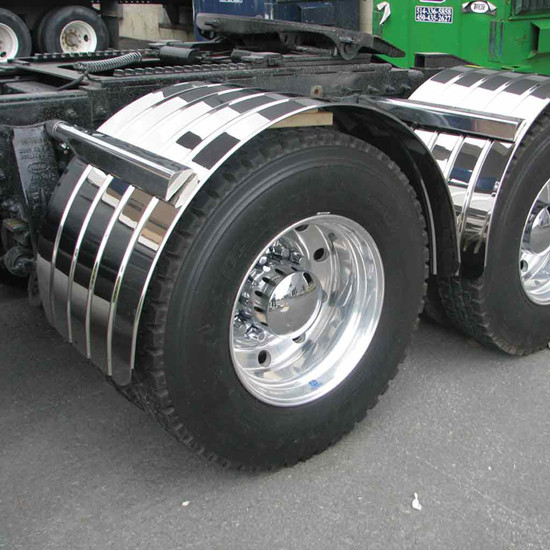
Galvanized Steel 80 Inch Single Axle Fender W/ Thin Beaded Edge
TRUX ACCESSORIES
$348.9980 Inch Single Axle Fender Galvanized Steel W/ Thin Beaded Edge* High Quality Single Axle Fender* Made Of Galvanized Steel* Thin Beaded Edge Design* Fully Ribbed* 80 Inch Overall Length* Sold As...09-110601000- SKU:
- 09-110601000
- Product Type:
- Rear Fenders
- Make:
- Universal Items
$348.99Qty in Cart: 0Price:$348.99Subtotal: -

Hogebuilt Stainless Steel 68 Inch Super Single Half Tandem Fender W/ 3 Inch
HOGEBUILT FENDERS
$1,139.9968 Inch Super Single Half Tandem Fender Stainless Steel W/ 3 Inch Flange By Hogebuilt* High Quality Super Single Half Tandem Fender* Made Of 430 Stainless Steel* Mirror Shine Finish* Includes: - (1)...09-11030369- SKU:
- 09-11030369
- Product Type:
- Rear Fenders
- Make:
- Universal Items
$1,139.99Qty in Cart: 0Price:$1,139.99Subtotal: -

Hogebuilt Stainless Steel 72 Inch Super Single Half Tandem Fender W/ 3 Inch
HOGEBUILT FENDERS
$1,167.9972 Inch Super Single Half Tandem Fender Stainless Steel W/ 3 Inch Flange By Hogebuilt* High Quality Super Single Half Tandem Fender* Made Of 430 Stainless Steel* Mirror Shine Finish* Includes: - (1)...09-11030370- SKU:
- 09-11030370
- Product Type:
- Rear Fenders
- Make:
- Universal Items
$1,167.99Qty in Cart: 0Price:$1,167.99Subtotal: -
On Sale

Stainless Steel 66 Inch 4 Ribbed Single Axle Fender W/ Beaded Edge & 21 Inch Drop
TRUX ACCESSORIES
Now: $330.87Was: $375.9966 Inch Stainless Steel 4 Ribbed Single Axle Fender W/ Beaded Edge & 21 Inch Drop* High Quality Half Fender* Made Of 20 Gauge Galvanized Steel* Designed To Fit 43.5 Inch OD Tires* Thin Beaded Edge...09-11030249- SKU:
- 09-11030249
- Product Type:
- Rear Fenders
- Make:
- Universal Items
Now: $330.87Was: $375.99Qty in Cart: 0Price:Now: $330.87Was: $375.99Subtotal: -
On Sale

Stainless Steel 80 Inch 4 Ribbed Single Axle Fender W/ Beaded Edge & 26 Inch Drop
TRUX ACCESSORIES
Now: $217.35Was: $246.9980 Inch Stainless Steel 4 Ribbed Single Axle Fender W/ Beaded Edge & 26 Inch Drop* High Quality Single Axle Fender* Made Of 20 Gauge Stainless Steel* Designed To Fit 43 Inch OD Ties* Thin Beaded Edge...09-110301019- SKU:
- 09-110301019
- Product Type:
- Rear Fenders
- Make:
- Universal Items
Now: $217.35Was: $246.99Qty in Cart: 0Price:Now: $217.35Was: $246.99Subtotal: -
On Sale

Stainless Steel 55 Inch Single Axle Fender W/ Flange & 17 Inch Drop
TRUX ACCESSORIES
Now: $527.99Was: $599.9955 Inch Stainless Steel Single Axle Fender W/ Flange & 17 Inch Drop* High Quality Single Axle Fender* Made Of 16 Gauge Stainless Steel* Designed To Fit Lift Axles* With Flange* Dimensions: - 55 Inch...09-110301018- SKU:
- 09-110301018
- Product Type:
- Rear Fenders
- Make:
- Universal Items
Now: $527.99Was: $599.99Qty in Cart: 0Price:Now: $527.99Was: $599.99Subtotal: -
On Sale

Smooth Aluminum 55 Inch Single Axle Fenders W/ Flange & 17 Inch Drop
TRUX ACCESSORIES
Now: $262.23Was: $297.9955 Inch Smooth Aluminum Single Axle Fenders W/ Flange & 17 Inch Drop* High Quality Single Axle Fender* Made Of Aluminum* Smooth Polished Finish* Designed To Fit Lift Axles* With Flange* Dimensions: ...09-11010112- SKU:
- 09-11010112
- Product Type:
- Rear Fenders
- Make:
- Universal Items
Now: $262.23Was: $297.99Qty in Cart: 0Price:Now: $262.23Was: $297.99Subtotal: -
FREE SHIPPING OVER $249

Black Poly Quarter Fender Kit 24 X 24 Inch W/ Round Tube Support Internal Mount Replaces 03101657, 1000-QF1900
AFTERMARKET
$109.9924 X 24 Inch Black Poly Quarter Fender Kit W/ Hardware Kit Replaces 03101657, 1000-QF1900* High Quality Quarter Fender Kit* Made Of Polycarbonate* Round Tube Support Internal Mount* Includes: - (2)...09-11050636- SKU:
- 09-11050636
- Product Type:
- Rear Fenders
- Make:
- Universal Items
$109.99Qty in Cart: 0Price:$109.99Subtotal: -
FREE SHIPPING

Hogebuilt Full Fender Mounting Set W/ Mounting Options
TPHD
$498.99Choose Option(s) to see description.Fitment** Universal - Fits Multiple Makes & Models Of TrucksHogebuilt Full Fender Mounting Set W/ U-Bolt ClampsFull Fender Mounting Set W/ U-Bolt Clamps By...PPR_301195- SKU:
- PPR_301195
- Position:
- Kit Full
- Material Options:
- Stainless Steel
- Location:
- Made In USA
- Type Options:
- Full Fender
- Product Type:
- Rear Fenders
- Make:
- Universal Items
$498.99Qty in Cart: 0Price:$498.99Subtotal: -
FREE SHIPPING

TPHD Half Fender Mounting Set W/ Mounting Options
TPHD
$318.99Choose Option(s) to see description.Fitment** Universal - Fits Multiple Makes & Models Of TrucksTPHD Half Fender Mounting Set W/ U-Bolt ClampsHalf Fender Mounting Set W/ U-Bolt Clamps By TPHD* High...PPR_301194- SKU:
- PPR_301194
- Material Options:
- Stainless Steel
- Position:
- Kit Full
- Product Type:
- Rear Fenders
- Location:
- Made In USA
- Type Options:
- Half Fender
- Make:
- Universal Items
$318.99Qty in Cart: 0Price:$318.99Subtotal: -
FREE SHIPPING
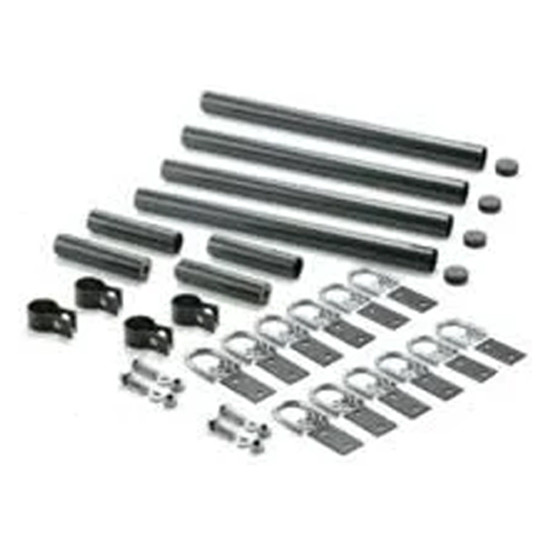
Hogebuilt Single Axle Fender Mounting Set W/ Mounting Options
HOGEBUILT FENDERS
$259.99Choose Option(s) to see description.Fitment** Universal - Fits Multiple Makes & Models Of TrucksHogebuilt Single Axle Fender Mounting Set W/ U-Bolt ClampsSingle Axle Fender Mounting Set W/ U-Bolt...PPR_301193- SKU:
- PPR_301193
- Location:
- Made In USA
- Product Type:
- Rear Fenders
- Type Options:
- Full Radius Fender
- Position:
- Kit Full
- Material Options:
- Stainless Steel
- Make:
- Universal Items
$259.99Qty in Cart: 0Price:$259.99Subtotal: -

Polished Stainless Steel Fender Mount Bracket W/ 4 Hole Mounting Style
PRO-TECH INDUSTRIES
$518.994 Hole Mounting Style Fender Mount Bracket Polished Stainless Steel* High Quality Fender Mount Bracket* Made Of 14 Gauge Stainless Steel* Number 7 Polished Finish* Universal Use* 4 Hole Mounting...09-111116- SKU:
- 09-111116
- Product Type:
- Rear Fenders
- Material Options:
- Stainless Steel
- Finish Options:
- Polished
- Size Options:
- 14 Gauge
- Style Options:
- 4 Hole
- Location:
- Made In USA
- Make:
- Universal Items
$518.99Qty in Cart: 0Price:$518.99Subtotal: -

Quilted Quarter Fender Cover 18 X 27 Inch Purple
ROBERT JAMES ENTERPRISES
$182.99Purple Quilted Quarter Fender Cover 18 X 27 Inch* High Quality Quarter Fender Cover* Quilted* Purple* Dimensions: - 27 Inch Width - 18 Inch Height* Attaches To Fender With J Hook On 3 Sides And...09-1120007- SKU:
- 09-1120007
- Product Type:
- Rear Fenders
- Height Options:
- 18 Inch
- Color:
- Purple
- Width Options:
- 27 Inch
- Location:
- Made In USA
- Material Options:
- Cloth
- Make:
- Universal Items
$182.99Qty in Cart: 0Price:$182.99Subtotal: -

Minimizer Poly Texas Double Single Axle Style Fender Kit W/ Light Box & Bracket Options For 24.5 Dual Tires
MINIMIZER
$761.99 - $2,417.99Choose Option(s) to see description.Fitment** Universal - Fits Multiple Makes & Models Of TrucksMinimizer Black Diamond Poly Texas Double Single Axle Style Fender Kit W/ Plastic Brackets & 23 Inch...PPR_301152- SKU:
- PPR_301152
- Truck Class:
- Heavy Duty
- Product Type:
- Rear Fenders
- Make:
- Universal Items
- Height Options:
- 23 Inch
- Material Options:
- Plastic/Poly
- Ready To Ship:
- Yes
$761.99 - $2,417.99Qty in Cart: 0Price:$761.99 - $2,417.99Subtotal: -
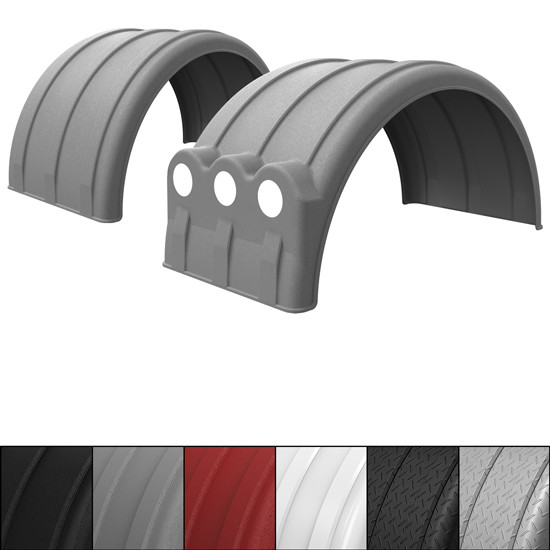
Minimizer Poly Texas Double Multiple Axle Fender W/ Lightbox Option For 24.5 Dual Tires
MINIMIZER
$328.99 - $655.99Choose Option(s) to see description.Fitment** Designed for 24.5 Dual Tires **Minimizer White High Bar Texas Double Single Axle Fender W/ Light Box 51 Inch & 23 Inch Drop For 24.5 Dual TiresWhite High...PPR_301151- SKU:
- PPR_301151
- Product Type:
- Rear Fenders
- Height Options:
- 23 Inch
- Material Options:
- Plastic/Poly
- Make:
- Universal Items
- Truck Class:
- Heavy Duty
- Ready To Ship:
- Yes
$328.99 - $655.99Qty in Cart: 0Price:$328.99 - $655.99Subtotal: -
Limited Quantity Available

Minimizer Poly Work Horse Single Replacement Fender Section
MINIMIZER
$211.99 - $789.99Choose Option(s) to see description.Fitment** Universal - Fits Multiple Makes & Models Of TrucksMinimizer Red Poly Work Horse Single Replacement FenderSingle Replacement Red Poly Fender* High Quality...PPR_301140- SKU:
- PPR_301140
- Color:
- Green
- Color:
- Black
- Finish Options:
- Paintable
- Color:
- Gray
- Color:
- Silver
- Material Options:
- Plastic/Poly
- Color:
- White
- Length Options:
- 50 Inch
- Type Options:
- Tandum Fender
- Location:
- Made In USA
- Style Options:
- Work Horse Style
- Color:
- Red
- Truck Class:
- Heavy Duty
- Height Options:
- 12 Inch
- Make:
- Universal Items
- Product Type:
- Rear Fenders
- Width Options:
- 26 Inch
- Ready To Ship:
- Yes
$211.99 - $789.99Qty in Cart: 0Price:$211.99 - $789.99Subtotal: -
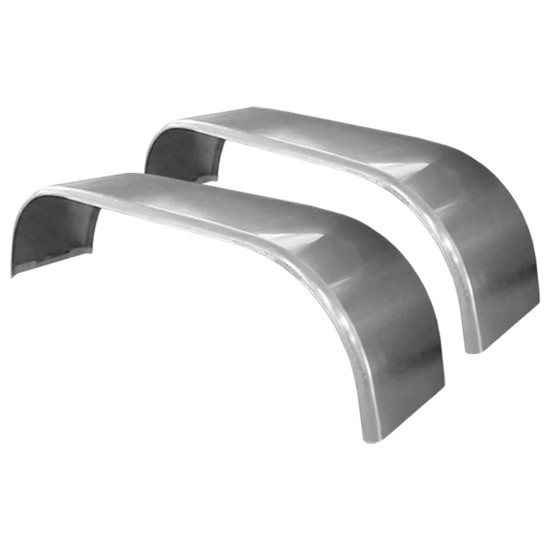
Merritt Aluminum Full Fenders W/ Style & Height Options
MERRITT
$926.99 - $932.99Protect your wheels and elevate your truck's profile with the Merritt 105 25 29 Inch Smooth Aluminum or 105 x 25 x 29 Inch Ribbed Aluminum Full Fenders, crafted from high-quality aluminum for...PPR_301124- SKU:
- PPR_301124
- Finish Options:
- Smooth
- Height Options:
- 24 Inch
- Material Options:
- Aluminum
- Product Type:
- Rear Fenders
- Type Options:
- Full
- Length Options:
- 105 Inch
- Width Options:
- 25 Inch
- Truck Class:
- Heavy Duty
- Location:
- Made In USA
- Truck Class:
- Universal
- Make:
- Universal Items
- Ready To Ship:
- Yes
- Type Options:
- Full Fender
$926.99 - $932.99Qty in Cart: 0Price:$926.99 - $932.99Subtotal: -
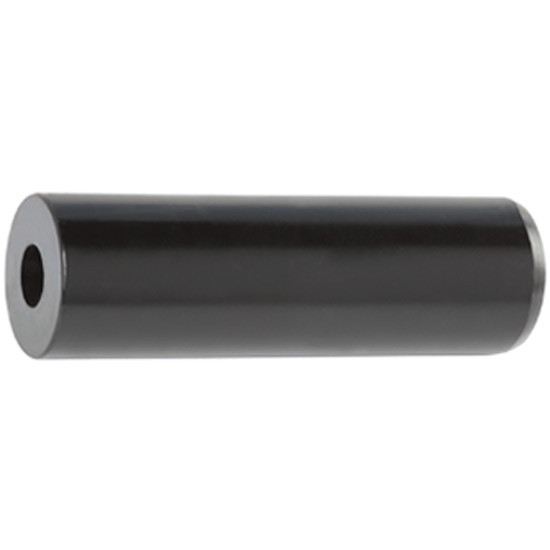
Hogebuilt Steel Fender Bracket Mounting Post 8 Inch Non-threaded
HOGEBUILT FENDERS
$38.288 Inch Black Steel Fender Bracket Mounting Post* High Quality Fender Bracket Mounting Post* Designed For Single Post Fender Bracket Assemblies* 1 Bolt Side Mount* Made Of Steel* Painted Black Finish*...09-11157- SKU:
- 09-11157
- Product Type:
- Rear Fenders
- Make:
- Universal Items
- Diameter Options:
- 5/8 Inch
- Style Options:
- Non Threaded
- Color:
- Black
- Material Options:
- Steel
- Length Options:
- 8 Inch
- Location:
- Made In USA
- Type Options:
- Side Mount
- Ready To Ship:
- Yes
$38.28Qty in Cart: 0Price:$38.28Subtotal: -
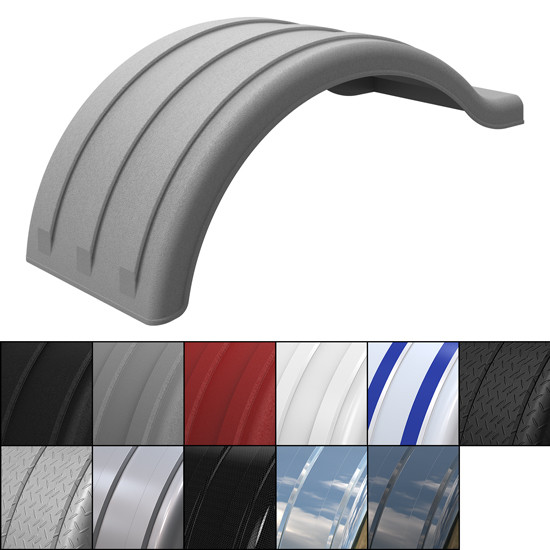
Minimizer Poly Double Deuce Fender For 22.5 Inch Or 24.5 Inch Dual Tires
MINIMIZER
$290.99 - $785.99Choose Option(s) to see description.Fitment** Universal - Fits Multiple Makes & Models Of TrucksMinimizer Diamond Plate Black Poly Double Deuce Fender For 22.5 Inch Or 24.5 Inch Dual TiresDiamond 26...PPR_301117- SKU:
- PPR_301117
- Color:
- Gray
- Height Options:
- 22 Inch
- Color:
- Black
- Finish Options:
- Mirror
- Product Type:
- Rear Fenders
- Finish Options:
- Paintable
- Location:
- Made In USA
- Truck Class:
- Universal
- Material Options:
- Plastic/Poly
- Type Options:
- Double Hump
- Color:
- Silver
- Light Options:
- Without Lights
- Make:
- Universal Items
- Ready To Ship:
- Yes
- Type Options:
- Half Fender
- Width Options:
- 26 Inch
$290.99 - $785.99Qty in Cart: 0Price:$290.99 - $785.99Subtotal: -

Minimizer Poly Double Deuce 106 Inch OA / 54 Inch Spread Tandem Axle Fender 26 Inch Wide, 22 Inch Drop
MINIMIZER
$319.99 - $762.99Choose Option(s) to see description.Fitment** Universal - Fits Multiple Makes & Models Of TrucksMinimizer Carbon Fiber Poly Double Deuce 106 Inch OA / 54 Inch Spread Tandem Axle Fender 26 Inch Wide,...PPR_301119- SKU:
- PPR_301119
- Color:
- Gray
- Color:
- Black
- Finish Options:
- Paintable
- Color:
- Silver
- Finish Options:
- Mirror
- Material Options:
- Plastic/Poly
- Light Options:
- Without Lights
- Location:
- Made In USA
- Color:
- Red
- Truck Class:
- Universal
- Height Options:
- 22 Inch
- Product Type:
- Rear Fenders
- Make:
- Universal Items
- Width Options:
- 26 Inch
- Type Options:
- Half Fender
$319.99 - $762.99Qty in Cart: 0Price:$319.99 - $762.99Subtotal: -

Minimizer Poly Double Deuce 52 Inch Spread Fender Section W/ Light Box 22 X 26 Inch
MINIMIZER
$380.99 - $593.99Choose Option(s) to see description.Fitment** Universal - Fits Multiple Makes & Models Of TrucksMinimizer Diamond Plate Black Poly Double Deuce 52 Inch Spread Fender Section W/ Light Box 22 X 26...PPR_301118- SKU:
- PPR_301118
- Color:
- Gray
- Color:
- Black
- Height Options:
- 22 Inch
- Finish Options:
- Paintable
- Product Type:
- Rear Fenders
- Color:
- White
- Material Options:
- Plastic/Poly
- Color:
- Red
- Location:
- Made In USA
- Light Options:
- Without Lights
- Truck Class:
- Universal
- Make:
- Universal Items
- Type Options:
- Half Fender
- Color:
- Silver
- Width Options:
- 26 Inch
$380.99 - $593.99Qty in Cart: 0Price:$380.99 - $593.99Subtotal: -

TPHD 105 Inch Aluminum Full Fender - Pair
TPHD
$802.99 - $843.99Choose Option(s) to see description.Fitment** Universal - Fits Multiple Makes & Models Of TrucksTPHD 105 Inch Smooth Aluminum Full Fender - PairSmooth Aluminum 105 Inch Full Fenders* High Quality...PPR_301120- SKU:
- PPR_301120
- Material Options:
- Aluminum
- Finish Options:
- Diamond Plate
- Location:
- Made In USA
- Truck Class:
- Universal
- Finish Options:
- Smooth
- Product Type:
- Rear Fenders
- Make:
- Universal Items
- Ready To Ship:
- Yes
- Length Options:
- 120 Inch
- Type Options:
- Full Fender
- Width Options:
- 24 Inch
$802.99 - $843.99Qty in Cart: 0Price:$802.99 - $843.99Subtotal: -

Minimizer Poly Double Deuce Tandem Fender Kit W/ Steel Mounting Brackets For a 51 Inch Axle Spread W/ Light Box Option
MINIMIZER
$1,343.99 - $2,982.99Choose Option(s) to see description.Fitment** Universal - Fits Multiple Makes & Models Of TrucksMinimizer Liquid Platium Poly Double Deuce Tandem Fender Kit W/ Steel Mounting Brackets For a 51 Inch...PPR_301116- SKU:
- PPR_301116
- Color:
- Gray
- Height Options:
- 22 Inch
- Color:
- Black
- Product Type:
- Rear Fenders
- Finish Options:
- Paintable
- Finish Options:
- Mirror
- Location:
- Made In USA
- Material Options:
- Plastic/Poly
- Color:
- Silver
- Type Options:
- Double Hump
- Light Options:
- Without Lights
- Truck Class:
- Universal
- Make:
- Universal Items
- Width Options:
- 26 Inch
- Length Options:
- 102 Inch
$1,343.99 - $2,982.99Qty in Cart: 0Price:$1,343.99 - $2,982.99Subtotal: -

Minimizer Double Deuce Full Fender Kit W/ Light Box Options & Carbon Fiber Style Plastic Mounting Brackets
MINIMIZER
$2,038.99 - $4,118.99Choose Option(s) to see description.Fitment** Universal - Fits Multiple Makes & Models Of TrucksMinimizer Liquid Platium Double Deuce Full Fender Kit W/ Carbon Fiber Style Plastic Mounting...PPR_301050- SKU:
- PPR_301050
- Style Options:
- Double Deuce Style
- Color:
- Red
- Finish Options:
- Galvanized
- Color:
- Black
- Color:
- Silver
- Color:
- Smoke
- Length Options:
- 106 Inch
- Finish Options:
- Mirror
- Color:
- White
- Finish Options:
- Paintable
- Product Type:
- Rear Fenders
- Light Options:
- Without Lights
- Length Options:
- 102 Inch
- Location:
- Made In USA
- Width Options:
- 26 Inch
- Material Options:
- Plastic/Poly
- Truck Class:
- Heavy Duty
- Type Options:
- Full Fender
- Make:
- Universal Items
$2,038.99 - $4,118.99Qty in Cart: 0Price:$2,038.99 - $4,118.99Subtotal: -

Minimizer Double Deuce Full Fender Kit W/ Light Box Options & Black Composite Mounting Brackets
MINIMIZER
$1,701.99 - $3,921.99Choose Option(s) to see description.Fitment** Universal - Fits Multiple Makes & Models Of TrucksMinimizer Liquid Platium Double Deuce Full Fender Kit W/ Black Composite Mounting Brackets102 X 26 X 22...PPR_301046- SKU:
- PPR_301046
- Color:
- Black
- Color:
- Red
- Color:
- White
- Finish Options:
- Galvanized
- Length Options:
- 102 Inch
- Length Options:
- 106 Inch
- Color:
- Silver
- Material Options:
- Plastic/Poly
- Color:
- Smoke
- Product Type:
- Rear Fenders
- Finish Options:
- Mirror
- Type Options:
- Full Fender
- Finish Options:
- Paintable
- Width Options:
- 26 Inch
- Light Options:
- Without Lights
- Location:
- Made In USA
- Style Options:
- Double Deuce Style
- Truck Class:
- Heavy Duty
- Make:
- Universal Items
$1,701.99 - $3,921.99Qty in Cart: 0Price:$1,701.99 - $3,921.99Subtotal: -

Minimizer Double Deuce Full Fender Kit W/ Light Box Options & Liquid Platinum Plastic Mounting Brackets
MINIMIZER
$1,928.99 - $4,008.99Choose Option(s) to see description.Fitment** Universal - Fits Multiple Makes & Models Of TrucksMinimizer Liquid Platium Double Deuce Full Fender Kit W/ Liquid Platinum Plastic Mounting Brackets102 X...PPR_301051- SKU:
- PPR_301051
- Color:
- Black
- Color:
- Smoke
- Color:
- White
- Finish Options:
- Paintable
- Length Options:
- 102 Inch
- Location:
- Made In USA
- Material Options:
- Plastic/Poly
- Product Type:
- Rear Fenders
- Truck Class:
- Heavy Duty
- Color:
- Silver
- Type Options:
- Full Fender
- Width Options:
- 26 Inch
- Finish Options:
- Mirror
- Color:
- Red
- Light Options:
- Without Lights
- Finish Options:
- Galvanized
- Style Options:
- Double Deuce Style
- Length Options:
- 106 Inch
- Make:
- Universal Items
$1,928.99 - $4,008.99Qty in Cart: 0Price:$1,928.99 - $4,008.99Subtotal: -

Minimizer Double Deuce Full Fender Kit W/ Light Box Options & Black Plastic Mounting Brackets
MINIMIZER
$1,662.99 - $3,754.99Choose Option(s) to see description.Fitment** Universal - Fits Multiple Makes & Models Of TrucksMinimizer Liquid Platium Double Deuce Full Fender Kit W/ Black Plastic Mounting Brackets102 X 26 X 22...PPR_301047- SKU:
- PPR_301047
- Color:
- Silver
- Color:
- Smoke
- Finish Options:
- Paintable
- Finish Options:
- Mirror
- Location:
- Made In USA
- Light Options:
- Without Lights
- Truck Class:
- Heavy Duty
- Color:
- Black
- Color:
- Red
- Style Options:
- Double Deuce Style
- Color:
- White
- Finish Options:
- Galvanized
- Length Options:
- 102 Inch
- Length Options:
- 106 Inch
- Material Options:
- Plastic/Poly
- Product Type:
- Rear Fenders
- Type Options:
- Full Fender
- Width Options:
- 26 Inch
- Make:
- Universal Items
- Ready To Ship:
- Yes
$1,662.99 - $3,754.99Qty in Cart: 0Price:$1,662.99 - $3,754.99Subtotal: -

Minimizer Double Deuce Full Fender Kit W/ Light Box Options & Mirror-Silver Plastic Mounting Brackets
MINIMIZER
$2,232.99 - $4,314.99Choose Option(s) to see description.Fitment** Universal - Fits Multiple Makes & Models Of TrucksMinimizer Liquid Platium Double Deuce Full Fender Kit W/ Mirror-Silver Plastic Mounting Brackets102 X...PPR_301052- SKU:
- PPR_301052
- Color:
- Red
- Finish Options:
- Galvanized
- Color:
- Silver
- Length Options:
- 106 Inch
- Material Options:
- Plastic/Poly
- Finish Options:
- Mirror
- Product Type:
- Rear Fenders
- Type Options:
- Full Fender
- Color:
- Smoke
- Light Options:
- Without Lights
- Width Options:
- 26 Inch
- Finish Options:
- Paintable
- Style Options:
- Double Deuce Style
- Color:
- Black
- Location:
- Made In USA
- Color:
- White
- Truck Class:
- Heavy Duty
- Length Options:
- 102 Inch
- Make:
- Universal Items
$2,232.99 - $4,314.99Qty in Cart: 0Price:$2,232.99 - $4,314.99Subtotal: -

Minimizer Double Deuce Full Fender Kit W/ Light Box Options & Steel Mounting Brackets
MINIMIZER
$1,295.99 - $2,153.99Choose Option(s) to see description.Fitment** Universal - Fits Multiple Makes & Models Of TrucksMinimizer Red Poly Full Fender Kit W/ Light Box, Steel Mounting Brackets For A Tandem Axle Tractor Or...PPR_301048- SKU:
- PPR_301048
- Color:
- Black
- Color:
- White
- Length Options:
- 106 Inch
- Product Type:
- Rear Fenders
- Color:
- Gray
- Color:
- Silver
- Width Options:
- 26 Inch
- Color:
- Red
- Finish Options:
- Galvanized
- Length Options:
- 102 Inch
- Height Options:
- 22 Inch
- Light Options:
- Without Lights
- Material Options:
- Plastic/Poly
- Location:
- Made In USA
- Style Options:
- Double Deuce Style
- Type Options:
- Full Fender
- Truck Class:
- Universal
- Make:
- Universal Items
$1,295.99 - $2,153.99Qty in Cart: 0Price:$1,295.99 - $2,153.99Subtotal: -

Minimizer Red Double Deuce Full Fender Kit W/ Light Box & Mounting Bracket Options
MINIMIZER
$1,860.99 - $2,420.99Choose Option(s) to see description.Fitment** Universal - Fits Multiple Makes & Models Of TrucksMinimizer Red Double Deuce Full Fender Kit W/ Light Box, Black Plastic Mounting Brackets106 X 26 X 22...PPR_301053- SKU:
- PPR_301053
- Location:
- Made In USA
- Truck Class:
- Heavy Duty
- Color:
- Red
- Length Options:
- 106 Inch
- Light Options:
- Without Lights
- Material Options:
- Plastic/Poly
- Product Type:
- Rear Fenders
- Type Options:
- Full Fender
- Style Options:
- Double Deuce Style
- Width Options:
- 26 Inch
- Make:
- Universal Items
$1,860.99 - $2,420.99Qty in Cart: 0Price:$1,860.99 - $2,420.99Subtotal: -

Minimizer Double Deuce Full Fender Kit W/ Light Box Options & Stainless Steel Mounting Brackets
MINIMIZER
$1,921.99 - $4,001.99Choose Option(s) to see description.Fitment** Universal - Fits Multiple Makes & Models Of TrucksMinimizer Liquid Platium Double Deuce Full Fender Kit W/ Stainless Steel Mounting Brackets102 X 26 X 22...PPR_301049- SKU:
- PPR_301049
- Color:
- Smoke
- Finish Options:
- Paintable
- Color:
- Black
- Color:
- Red
- Location:
- Made In USA
- Color:
- White
- Finish Options:
- Galvanized
- Color:
- Silver
- Truck Class:
- Heavy Duty
- Length Options:
- 102 Inch
- Finish Options:
- Mirror
- Length Options:
- 106 Inch
- Material Options:
- Plastic/Poly
- Product Type:
- Rear Fenders
- Light Options:
- Without Lights
- Type Options:
- Full Fender
- Style Options:
- Double Deuce Style
- Width Options:
- 26 Inch
- Make:
- Universal Items
$1,921.99 - $4,001.99Qty in Cart: 0Price:$1,921.99 - $4,001.99Subtotal: -
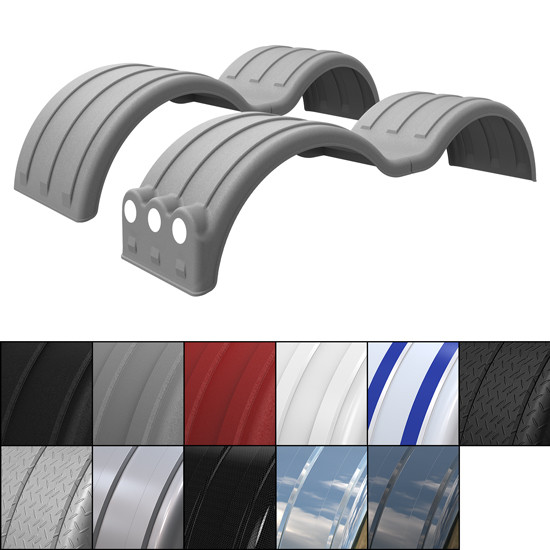
Minimizer Double Deuce Full Fender Kit W/ Color & Light Box Options
MINIMIZER
$1,042.99 - $3,163.99Choose Option(s) to see description.Fitment** Universal - Fits Multiple Makes & Models Of TrucksMinimizer Double Deuce Red Full Fender Kit W/ Light BoxDouble Deuce Fender* High Quality Tandem Axle...PPR_301045- SKU:
- PPR_301045
- Color:
- Red
- Color:
- Silver
- Color:
- Smoke
- Color:
- Black
- Finish Options:
- Galvanized
- Finish Options:
- Mirror
- Finish Options:
- Paintable
- Color:
- White
- Light Options:
- Without Lights
- Location:
- Made In USA
- Material Options:
- Plastic/Poly
- Length Options:
- 106 Inch
- Style Options:
- Double Deuce Style
- Truck Class:
- Heavy Duty
- Type Options:
- Full Fender
- Product Type:
- Rear Fenders
- Width Options:
- 26 Inch
- Make:
- Universal Items
- Ready To Ship:
- Yes
$1,042.99 - $3,163.99Qty in Cart: 0Price:$1,042.99 - $3,163.99Subtotal: -
FREE SHIPPING

Fender Brackets For Full Fenders, Pair - Powder Coated Black For Vendetta
SHIFT PRODUCTS
$497.99Powder Coated Black Pair Of Fender Brackets For Full Fenders* High Quality Rear Universal Fender Bracket* For Full Fenders* Fits All Suspensions For Rear Mount And KW 8 Bag For Front Mount* Black*...09-1110030- SKU:
- 09-1110030
- Type Options:
- Full Fender
- Color:
- Black
- Style Options:
- Vendetta
- Product Type:
- Rear Fenders
- Make:
- Kenworth
- Make:
- Universal Items
- Ready To Ship:
- Yes
$497.99Qty in Cart: 0Price:$497.99Subtotal: -
On Sale
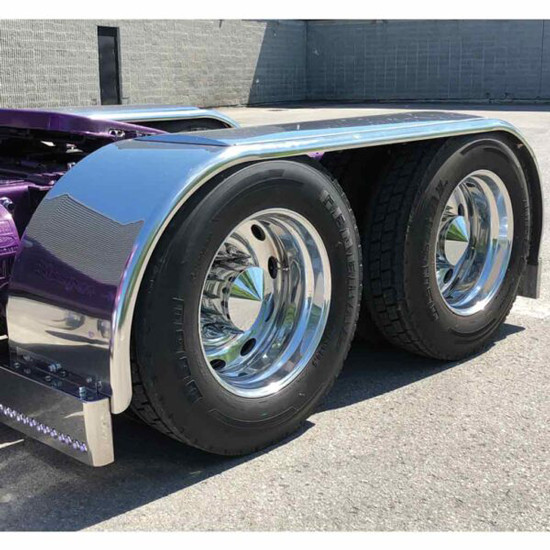
142 Inch SS The Boss Long Drop Full Fender W/ Rolled Edge
TRUX ACCESSORIES
Now: $1,075.35Was: $1,221.9929 X 24 X 142 Inch Long Drop 14 Gauge Stainless Steel Full Tandem FendersThis high quality 142 inch Stainless Steel "The Boss" Long Drop Full Fender with a Rolled Edge design. The fender has a long...09-11030302- SKU:
- 09-11030302
- Product Type:
- Rear Fenders
- Material Options:
- Stainless Steel
- Light Options:
- Without Lights
- Make:
- Universal Items
- Truck Class:
- Heavy Duty
Now: $1,075.35Was: $1,221.99Qty in Cart: 0Price:Now: $1,075.35Was: $1,221.99Subtotal: -
On Sale

Stainless Steel Smoke & Mirror Single Axle Fender Mounting Kit W/ Color Options
TRUX ACCESSORIES
$483.11 - $595.99Choose Option(s) to see description.Fitment** Universal - Fits Multiple Makes & Models Of TrucksStainless Steel Smoke & Mirror Single Axle Fender Triangle Mounting Kit W/ All Hardware - BlackSmoke &...PPR_300946- SKU:
- PPR_300946
- Color:
- Bronze
- Color:
- Red
- Material Options:
- Stainless Steel
- Product Type:
- Rear Fenders
- Type Options:
- Post Mount
- Color:
- Black
- Position:
- Kit Full
- Finish Options:
- Polished
- Size Options:
- 14 Gauge
- Make:
- Universal Items
- Ready To Ship:
- Yes
- Color:
- Blue
- Color:
- Purple
- Type Options:
- Full Radius Fender
- Color:
- Green
$483.11 - $595.99Qty in Cart: 0Price:$483.11 - $595.99Subtotal: -
FREE SHIPPING

66 Inch Poly Rolled Edge Half Fenders W/ Mounting Kit
TRUX ACCESSORIES
$484.99Poly Rolled Edge Half Fenders W/ Mounting Kit 66 InchUpgrade your truck's protection and efficiency with this high-quality Half Fender Kit with Mounting Kit, built from durable polypropylene for...09-110502010K- SKU:
- 09-110502010K
- Product Type:
- Rear Fenders
- Make:
- Universal Items
$484.99Qty in Cart: 0Price:$484.99Subtotal: -
On Sale

150 Inch Stainless Steel Super Long Fully Ribbed Half Fender W/ Rolled Edge
TRUX ACCESSORIES
Now: $1,242.55Was: $1,411.99Stainless Steel Super Long Fully Ribbed Half Fender W/ Rolled Edge, 150 InchEnhance your rig's durability and road presence with this premium Half Fender, crafted from high-quality 16 gauge stainless...09-110302019- SKU:
- 09-110302019
- Material Options:
- Stainless Steel
- Type Options:
- Half Fender
- Finish Options:
- Smooth
- Product Type:
- Rear Fenders
- Size Options:
- 16 Gauge
- Style Options:
- Ribbed
- Length Options:
- 150 Inch
- Make:
- Universal Items
Now: $1,242.55Was: $1,411.99Qty in Cart: 0Price:Now: $1,242.55Was: $1,411.99Subtotal: -
On SaleLimited Quantity Available

Single Axle Fender Mounting Kit - Black Steel For One Axle
TRUX ACCESSORIES
Now: $174.23Was: $197.99Black Steel Single Axle Fender Mounting KitImprove fender stability and mounting strength with the Single Axle Fender Mounting Kit, built for durability, secure fitment, and long-lasting performance...09-111142- SKU:
- 09-111142
- Product Type:
- Rear Fenders
- Color:
- Black
- Material Options:
- Steel
- Position:
- Kit Full
- Make:
- Universal Items
Now: $174.23Was: $197.99Qty in Cart: 0Price:Now: $174.23Was: $197.99Subtotal: -

66 Inch Smooth Rolled Edge Half Fenders W/ Mounting Kit, Triangular Style Center Mounting Brackets 16 Gauge Stainless Steel
TRUX ACCESSORIES
$657.99Smooth Rolled Edge Half Fenders W/ Mounting Kit, Triangular Style Center Mounting Brackets 66 Inch 16 Gauge Stainless SteelGive your truck a clean, professional upgrade with this high-quality Half...09-110302018K- SKU:
- 09-110302018K
- Product Type:
- Rear Fenders
- Ready To Ship:
- Yes
- Make:
- Universal Items
$657.99Qty in Cart: 0Price:$657.99Subtotal: -
FREE SHIPPING

60 Inch Smooth Rolled Edge Flange Half Fenders W/ Mounting Kit, 16 Gauge Stainless Steel Swivel Style Center Mounting Brackets
TRUX ACCESSORIES
$716.99Smooth Rolled Edge Flange Half Fenders W/ Mounting Kit Swivel Style Center Mounting Brackets 60 Inch 16 Gauge Stainless SteelEnhance your truck's durability and style with this high-quality Smooth...09-110302014K- SKU:
- 09-110302014K
- Product Type:
- Rear Fenders
- Make:
- Universal Items
- Ready To Ship:
- Yes
$716.99Qty in Cart: 0Price:$716.99Subtotal: -
FREE SHIPPING

76 Inch Poly Rolled Edge Single Fenders W/ Mounting Kit Polypropylene
TRUX ACCESSORIES
$402.99Poly Rolled Edge Single Fenders W/ Mounting Kit 76 InchEnhance your truck's durability and appearance with this high-quality Fender Kit with Mounting Kit, crafted from tough polypropylene for...09-110501060K- SKU:
- 09-110501060K
- Product Type:
- Rear Fenders
- Make:
- Universal Items
$402.99Qty in Cart: 0Price:$402.99Subtotal: -
FREE SHIPPING

142 Inch Smooth Rolled Edge Full Fenders W/ Mounting Kit 14 Gauge Stainless Steel
TRUX ACCESSORIES
$1,503.99Smooth Rolled Edge Full Fenders W/ Mounting Kit 142 Inch 14 Gauge Stainless SteelEnhance your rig's durability and road presence with this high-quality Full Fender Kit with Mounting Kit, crafted from...09-110303006K- SKU:
- 09-110303006K
- Product Type:
- Rear Fenders
- Make:
- Universal Items
$1,503.99Qty in Cart: 0Price:$1,503.99Subtotal: -
FREE SHIPPING

66 Inch Smooth Rolled Edge Half Fenders W/ Mounting Kit Stainless Steel
TRUX ACCESSORIES
$1,053.99Smooth Rolled Edge Half Fenders W/ Mounting Kit Stainless Steel 66 InchUpgrade your rig with this premium Smooth Rolled Edge Half Fender Kit with Mounting Kit, designed for strength, style, and...09-110302013K- SKU:
- 09-110302013K
- Product Type:
- Rear Fenders
- Make:
- Universal Items
$1,053.99Qty in Cart: 0Price:$1,053.99Subtotal: -

60 Inch Smooth Rolled Edge Flange Half Fenders W/ Mounting Kit, Triangular Style Center Mounting Brackets 16 Gauge Stainless Steel
TRUX ACCESSORIES
$597.99Smooth Rolled Edge Flange Half Fenders W/ Mounting Kit, Triangular Style Center Mounting Brackets 60 Inch 16 Gauge Stainless SteelEnhance your rig's protection and style with this high-quality Half...09-110302017K- SKU:
- 09-110302017K
- Product Type:
- Rear Fenders
- Make:
- Universal Items
- Ready To Ship:
- Yes
$597.99Qty in Cart: 0Price:$597.99Subtotal: -
FREE SHIPPING

80 Inch Smooth Rolled Edge Half Fenders W/ Mounting Kit 16 Gauge Stainless Steel
TRUX ACCESSORIES
$1,030.99Smooth Rolled Edge Half Fenders W/ Mounting Kit 16 Gauge Stainless Steel 80 InchThis premium Rolled Edge Half Fender Kit with Mounting Hardware is built for durability, protection, and a clean...09-110302016K- SKU:
- 09-110302016K
- Product Type:
- Rear Fenders
- Make:
- Universal Items
$1,030.99Qty in Cart: 0Price:$1,030.99Subtotal: -
FREE SHIPPING

80 Inch Stainless Steel Smooth Single Axle Fenders & Heavy Duty Mounting Kit
TRUX ACCESSORIES
$1,251.99Smooth Single Axle Fenders & Heavy Duty Mounting Kit Stainless Steel 80 InchUpgrade your truck's protection and appearance with this premium Smooth Single Axle Fender Kit with Heavy Duty Mounting...09-110301017K- SKU:
- 09-110301017K
- Product Type:
- Rear Fenders
- Make:
- Universal Items
$1,251.99Qty in Cart: 0Price:$1,251.99Subtotal: -
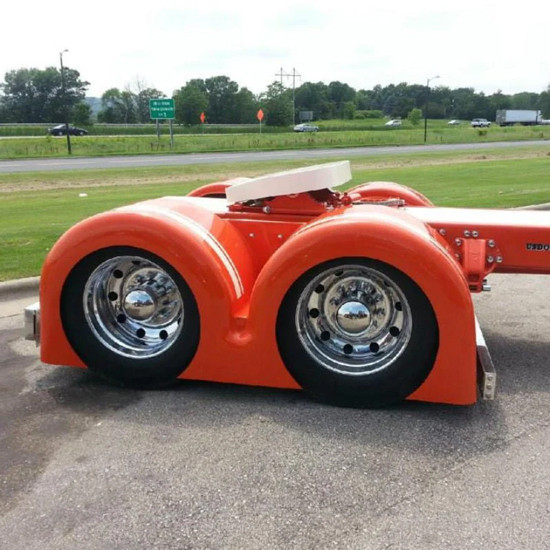
Fiberglass Project One Double Hump Fender Set 38 Inch Drop W/ 5.5 Inch Lip For 52 & 54 Inch Axle Spread
BAD ASS CUSTOM TRUCK PARTS
$1,339.99Project One Double Hump Fender Set Fiberglass 38 Inch Drop W/ 5.5 Inch Lip Fits 52 & 54 Inch Axle SpreadBuilt for durability and standout styling, the Fiberglass Project One Double Hump Fender Set...09-110404004- SKU:
- 09-110404004
- Finish Options:
- Paintable
- Length Options:
- 106 Inch
- Material Options:
- Fiberglass
- Product Type:
- Rear Fenders
- Height Options:
- 38 Inch
- Style Options:
- Double Hump
- Position:
- Rear
- Location:
- Made In USA
- Make:
- Universal Items
$1,339.99Qty in Cart: 0Price:$1,339.99Subtotal: -
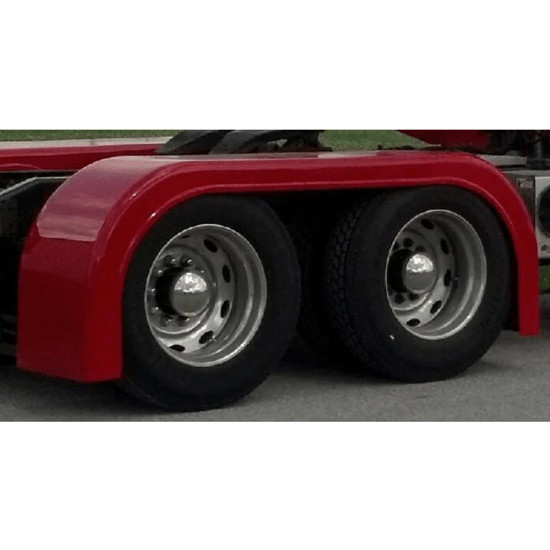
Fiberglass Paintable High Boy Full Fender Set 38 Inch W/ 4 Inch Lip For 52 & 54 Inch Axle Spread
BAD ASS CUSTOM TRUCK PARTS
$1,236.99Paintable Fiberglass High Boy Full Fender Set 38 Inch W/ 4 Inch Lip Fits 52 & 54 Inch Axle SpreadBuilt for durability and style, the 41 Inch Fiberglass High Boy Full Fender Set offers a premium rear...09-110403001- SKU:
- 09-110403001
- Length Options:
- 106 Inch
- Finish Options:
- Paintable
- Type Options:
- Full Tandem Fender
- Material Options:
- Fiberglass
- Product Type:
- Rear Fenders
- Location:
- Made In USA
- Height Options:
- 41 Inch
- Make:
- Universal Items
$1,236.99Qty in Cart: 0Price:$1,236.99Subtotal: