



Freightliner Columbia 112/120 Exhaust Parts
- Product
- Qty in Cart
- Quantity
- Price
- Subtotal
-

Stainless Steel Exhaust Shields With Cutout Options
UNITED PACIFIC
$142.99 - $242.99Give your truck a polished custom appearance with this Stainless Steel Exhaust Shield featuring multiple cutout options. Designed for Peterbilt applications, these exhaust shields are constructed...PPR_204372- SKU:
- PPR_204372
- Truck Class:
- Universal
- Material Options:
- Steel
- Make:
- Universal Items
- Finish Options:
- Chrome-Plated
- Truck Class:
- Heavy Duty
- Product Type:
- Exhaust
- Ready To Ship:
- Yes
- Diameter Options:
- 5 Inch
- Material Options:
- Stainless Steel
- Diameter Options:
- 6 Inch
- Degree Options:
- 180
- Length Options:
- 48 Inch
- Diameter Options:
- 8 Inch
$142.99 - $242.99Qty in Cart: 0Price:$142.99 - $242.99Subtotal: -
FREE SHIPPING OVER $249

Chrome Exhaust Grab Handle With Mounting Clamps
UNITED PACIFIC
$65.99 - $94.99Transform your exhaust system with the Chrome Exhaust Grab Handle. Designed for heavy-duty applications, this chrome-plated grab handle is available in multiple sizes to fit 5-inch, 6-inch, 7-inch,...PPR_204576- SKU:
- PPR_204576
- Truck Class:
- Universal
- Material Options:
- Steel
- Make:
- Universal Items
- Finish Options:
- Chrome-Plated
- Truck Class:
- Heavy Duty
- Product Type:
- Exhaust
- Diameter Options:
- 6 Inch
- Diameter Options:
- 5 Inch
- Length Options:
- 34 Inch
- Diameter Options:
- 7 Inch
- Diameter Options:
- 8 Inch
- Ready To Ship:
- Yes
- Length Options:
- 45 Inch
$65.99 - $94.99Qty in Cart: 0Price:$65.99 - $94.99Subtotal: -
FREE SHIPPING OVER $249
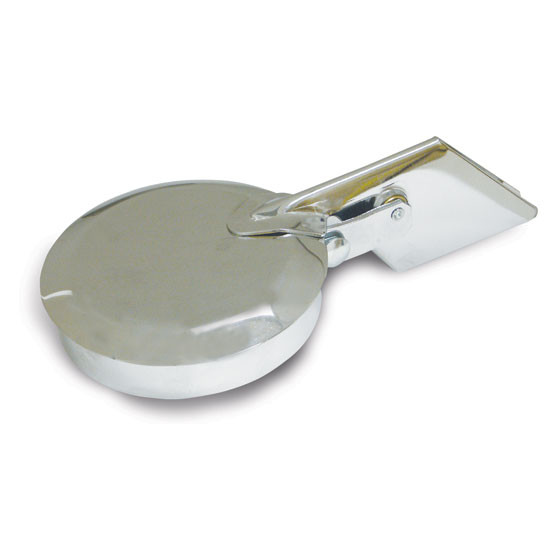
5 Inch Chrome Rain Cap For Flat Top Stack
GRAND GENERAL
$39.455 Inch Chrome Rain Cap For Flat Top Stack With Outside MountCover Your Flip Top Stack With This Quality Rain Cap By Grand General To Keep Precipitation And Foreign Objects From Entering Your Exhaust...09-0800005- SKU:
- 09-0800005
- Diameter Options:
- 5 Inch
- Truck Class:
- Universal
- Material Options:
- Steel
- Make:
- Universal Items
- Finish Options:
- Chrome-Plated
- Product Type:
- Exhaust
- Ready To Ship:
- Yes
$39.45Qty in Cart: 0Price:$39.45Subtotal: -
FREE SHIPPING OVER $249

Stainless Steel Rain Cap For Flat Top Stacks
UNITED PACIFIC
$44.76 - $52.99Add classic truck styling with this stainless steel rain cap for flat top exhaust stacks. Designed to help keep rain, moisture, and debris from entering the exhaust system when the engine is not...PPR_204411- SKU:
- PPR_204411
- Truck Class:
- Universal
- Style Options:
- Flat
- Material Options:
- Steel
- Make:
- Universal Items
- Finish Options:
- Chrome-Plated
- Truck Class:
- Heavy Duty
- Product Type:
- Exhaust
- Ready To Ship:
- Yes
$44.76 - $52.99Qty in Cart: 0Price:$44.76 - $52.99Subtotal: -
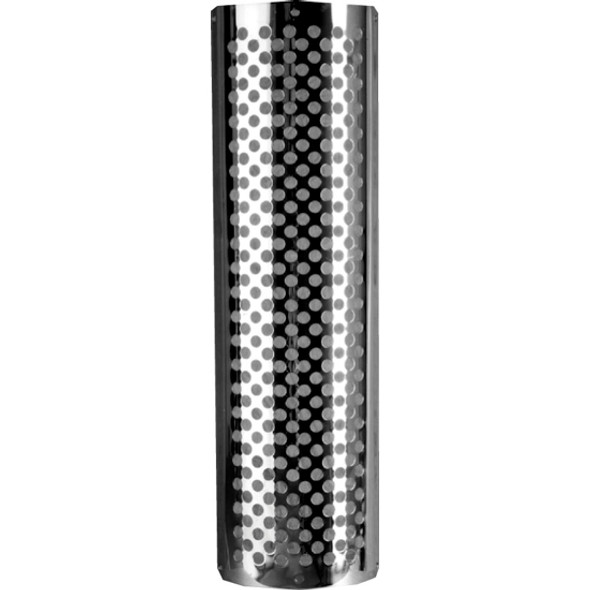
5 X 48 Inch SS 180 Degree Exhaust Heat Shield W/ Round Holes Replaces 81R-50048SP by
AFTERMARKET
$192.99SS Exhaust Shield Half Wrap With 2 Mounting ClampsProtect your exhaust system and surrounding components with the 5 x 48 Inch Stainless Steel 180 Exhaust Heat Shield. This high-quality stainless...09-080806- SKU:
- 09-080806
- Diameter Options:
- 5 Inch
- Truck Class:
- Heavy Duty
- Length Options:
- 48 Inch
- Material Options:
- Stainless Steel
- Degree Options:
- 180
- Make:
- Universal Items
- Finish Options:
- Polished
- Product Type:
- Exhaust
- Ready To Ship:
- Yes
$192.99Qty in Cart: 0Price:$192.99Subtotal: -

5 Inch Chrome Exhaust Heat Shield Mounting Bracket
BESTFIT TRUCK PARTS
$59.99Chrome Plated 5 Inch Exhaust Heat Shield Mounting Bracket* High Quality Heat Shield Mounting Bracket* With 3 Tabs* For 180 Degree Heat Shields* Made Of Chrome Plated Steel* 5 Inch Diameter* Made In...09-0808135- SKU:
- 09-0808135
- Truck Class:
- Universal
- Material Options:
- Steel
- Make:
- Universal Items
- Product Type:
- Exhaust
- Ready To Ship:
- Yes
$59.99Qty in Cart: 0Price:$59.99Subtotal: -
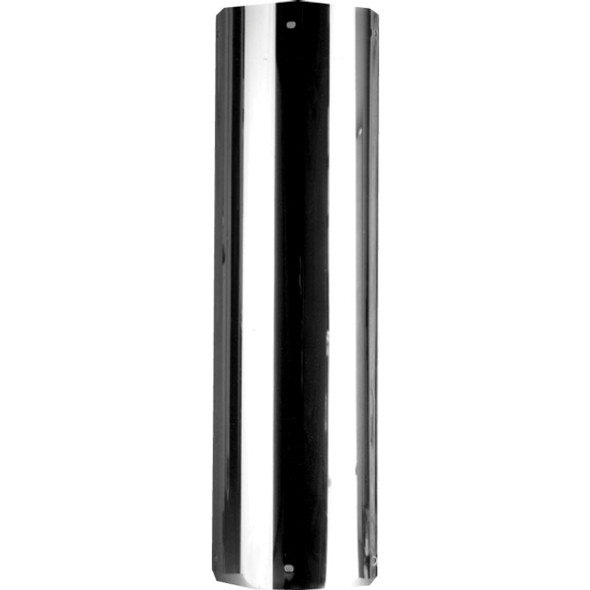
BESTfit 5 X 48 Inch Stainless Steel 180 Degree Blank Exhaust Heat Shield W/ Mounting Clamps
BESTFIT TRUCK PARTS
$211.99BESTfit Exhaust Shield 1/2 Round for 5 Inch Pipe No HolesProtect your exhaust system with the BESTfit 5 x 48 Inch Stainless Steel 180 Blank Exhaust Heat Shield, crafted from high-quality 304...09-080831- SKU:
- 09-080831
- Truck Class:
- Universal
- Diameter Options:
- 5 Inch
- Length Options:
- 48 Inch
- Material Options:
- Stainless Steel
- Degree Options:
- 180
- Make:
- Universal Items
- Product Type:
- Exhaust
- Ready To Ship:
- Yes
$211.99Qty in Cart: 0Price:$211.99Subtotal: -

LC 96 Inch Chrome Mitered Exhaust Top Stack W/ 8 Inch ID
LINCOLN CHROME
$873.99Chrome Mitered Exhaust Top Stack 96 Inch W/ 8 Inch ID By Lincoln Chrome* High Quality Exhaust Top Stack* Made Of Chrome Plated Carbon Steel* Mitered Style* Slides Over Elbow (Elbow Not Included)*...09-08010786- SKU:
- 09-08010786
- Product Type:
- Exhaust
- Height Options:
- 96 Inch
- Finish Options:
- Chrome-Plated
- Material Options:
- Carbon Steel
- Style Options:
- Miter Cut
- Diameter Options:
- 8 Inch
- Location:
- Made In USA
- Make:
- Universal Items
$873.99Qty in Cart: 0Price:$873.99Subtotal: -

Roadworks Stainless Steel Exhaust Elbow 5 Inch Diameter W/ 90 Degree Bend For Freightliner
ROADWORKS
$168.99Stainless Steel Exhaust Elbow 5 Inch Diameter W/ 90 Degree Bend By Roadworks Fits Freightliner* High Quality Exhaust Elbow* Made Of 430 Stainless Steel* Chrome Plated* 90 Degree Bend* 5 Inch...03-08070080- SKU:
- 03-08070080
- Product Type:
- Exhaust
$168.99Qty in Cart: 0Price:$168.99Subtotal: -

LC 60 Inch Chrome West Coast Exhaust Top Stack W/ 7-5 Extended OD
LINCOLN CHROME
$523.9960 Inch Chrome West Coast Exhaust Top Stack W/ 7-5 Extended OD By Lincoln Chrome* High Quality Exhaust Top Stack* Made Of Chrome-Plated Steel* West Coast Curved Top Style* Dimensions: - 60 Inch...09-08011462- SKU:
- 09-08011462
- Diameter Options:
- 7 Inch
- Material Options:
- Steel
- Style Options:
- West Coast Turn
- Location:
- Made In USA
- Height Options:
- 60 Inch
- Finish Options:
- Chrome-Plated
- Product Type:
- Exhaust
- Make:
- Universal Items
$523.99Qty in Cart: 0Price:$523.99Subtotal: -
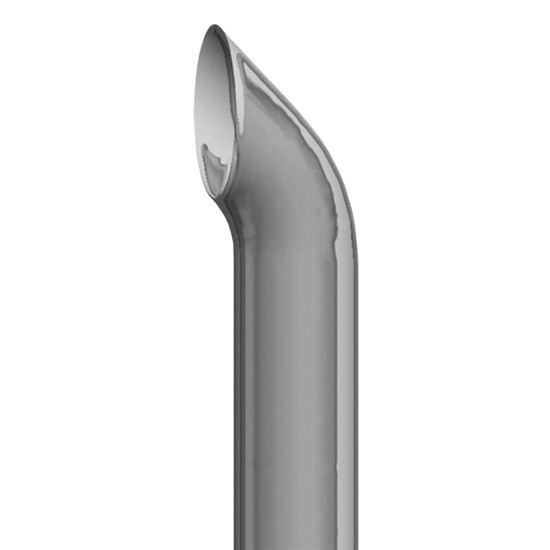
LC 48 Inch Chrome West Coast Exhaust Top Stack W/ 7-5 Inch Extended OD
LINCOLN CHROME
$442.99Chrome West Coast Exhaust Top Stack 48 Inch W/ 7-5 Inch Extended OD By Lincoln Chrome* High Quality Exhaust Top Stack* Made Of Chrome-Plated Steel* West Coast Curved Top Style* Dimensions: - 48 Inch...09-087548071- SKU:
- 09-087548071
- Finish Options:
- Chrome-Plated
- Product Type:
- Exhaust
- Location:
- Made In USA
- Material Options:
- Steel
- Height Options:
- 48 Inch
- Style Options:
- West Coast Turn
- Diameter Options:
- 7 Inch
- Make:
- Universal Items
$442.99Qty in Cart: 0Price:$442.99Subtotal: -

LC 8 X 72 Chrome West Coast Exhaust Top Stack
LINCOLN CHROME
$830.998 X 72 Inch West Coast Exhaust Top Stack By Lincoln Chrome* High Quality Exhaust Top Stack* Made Of Chrome-Plated Steel* West Coast Curved Top Style* Works With Seamless Design Elbows and Pipes*...09-088072083- SKU:
- 09-088072083
- Height Options:
- 72 Inch
- Style Options:
- West Coast Turn
- Diameter Options:
- 8 Inch
- Material Options:
- Steel
- Finish Options:
- Chrome-Plated
- Product Type:
- Exhaust
- Location:
- Made In USA
- Make:
- Universal Items
$830.99Qty in Cart: 0Price:$830.99Subtotal: -
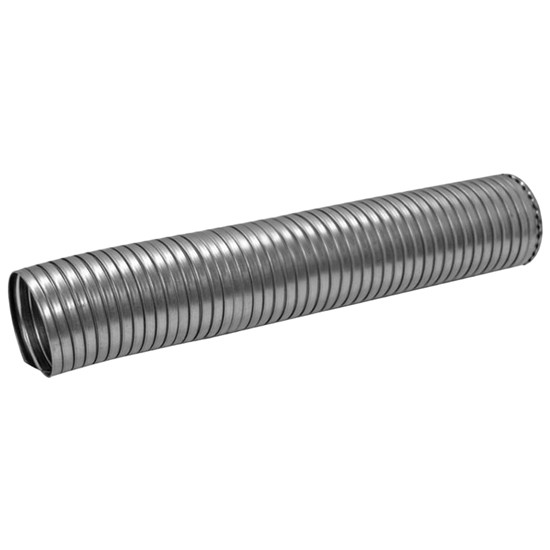
3 ID X 18 Inch 409 Stainless Steel Flex Tubing
AUTOMANN USA
$41.373 Inch ID 409 Stainless Steel Drop Flex Tubing Replaces 89613K* High Quality Flex Tubing* 409 Stainless Steel* Dimensions: - 3.00 Inch I.D. - 18.00 Inch Length* Sold Individually* Warranty On Flex...09-08040002- SKU:
- 09-08040002
- Material Options:
- Stainless Steel
- Product Type:
- Exhaust
- Truck Class:
- Heavy Duty
- Make:
- Universal Items
$41.37Qty in Cart: 0Price:$41.37Subtotal: -

5 ID X 24 Inch Galvanized Steel Flex Tubing
AUTOMANN USA
$37.505 Inch ID Galvanized Steel Drop Flex Tubing Replaces G15524, J024837* High Quality Flex Tubing* Galvanized Steel* Dimensions: - 5 Inch I.D. - 24 Inch Length* Sold Individually* Warranty On Flex...09-08010065- SKU:
- 09-08010065
- Material Options:
- Stainless Steel
- Product Type:
- Exhaust
- Truck Class:
- Heavy Duty
- Finish Options:
- Galvanized
- Make:
- Universal Items
$37.50Qty in Cart: 0Price:$37.50Subtotal: -
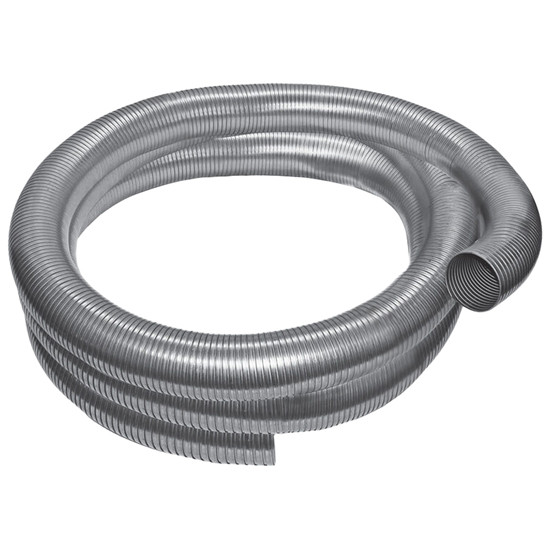
4 ID Inch X 25 Ft 304 Stainless Steel Flex Tubing
AUTOMANN USA
$798.994 Inch ID 304 Stainless Steel Drop Flex Tubing Replaces SF4300* High Quality Tubing* 304 Stainless Steel* Dimensions: - 4 Inch Diameter - 25 Ft Length* Flexible* Sold Individually* Warranty On...09-08010056- SKU:
- 09-08010056
- Material Options:
- Stainless Steel
- Product Type:
- Exhaust
- Truck Class:
- Heavy Duty
- Make:
- Universal Items
$798.99Qty in Cart: 0Price:$798.99Subtotal: -

3.5 ID X 12 Inch 409 Stainless Steel Flex Tubing
AUTOMANN USA
$31.033.5 Inch ID 409 Stainless Steel Drop Flex Tubing Replaces 89616K* High Quality Flex Tubing* 409 Stainless Steel* Dimensions: - 3.5 Inch I.D. - 12 Inch Length* Sold Individually* Warranty On Flex...09-08010066- SKU:
- 09-08010066
- Product Type:
- Exhaust
- Truck Class:
- Heavy Duty
- Material Options:
- Stainless Steel
- Make:
- Universal Items
$31.03Qty in Cart: 0Price:$31.03Subtotal: -

6 Inch Stainless Steel Flat U Bolt Saddle Clamp
AFTERMARKET
$48.84Heavy Duty Exhaust Clamp Flat U-Bolt* High Quality Saddle Clamp* Stainless Steel * Diameter- 6 Inch* Flat U-Bolt* Made In USA* Sold Individually* Warranty On Saddle Clamps Against Defects In...09-08000008- SKU:
- 09-08000008
- Product Type:
- Exhaust
- Diameter Options:
- 6 Inch
- Material Options:
- Stainless Steel
- Make:
- Universal Items
$48.84Qty in Cart: 0Price:$48.84Subtotal: -

4 Inch Stainless Steel Flat U Bolt Saddle Clamp
AUTOMANN USA
$28.44Heavy Duty Exhaust Clamp Flat U-BoltThis durable clamp delivers secure exhaust system mounting with a flat U-bolt design and guillotine saddles for maximum grip.* High Quality Saddle Clamp* Stainless...09-08000007- SKU:
- 09-08000007
- Material Options:
- Stainless Steel
- Product Type:
- Exhaust
- Diameter Options:
- 4 Inch
- Make:
- Universal Items
$28.44Qty in Cart: 0Price:$28.44Subtotal: -
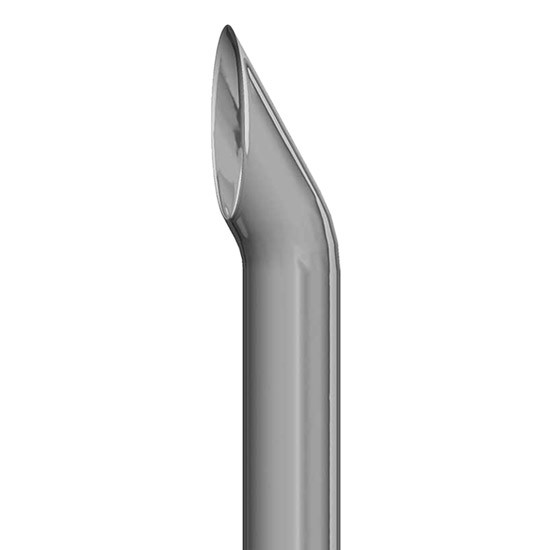
LC Stainless Steel Short 30 Exhaust Stack
LINCOLN CHROME
$335.99 - $984.99Choose Option(s) to see description.Fitment** Universal - Fits Multiple Makes & Models Of TrucksLC 6-5 X 24 Chrome Short 30 Exhaust Stack6-5 X 24 Inch Short 30 Exhaust Stack By Lincoln Chrome* High...PPR_301138- SKU:
- PPR_301138
- Product Type:
- Exhaust
- Diameter Options:
- 6 To 5 Inch
- Height Options:
- 120 Inch
- Location:
- Made In USA
- Finish Options:
- Polished
- Height Options:
- 84 Inch
- Diameter Options:
- 8 Inch
- Height Options:
- 72 Inch
- Diameter Options:
- 7 Inch
- Style Options:
- Short 30 Turn
- Height Options:
- 24 Inch
- Material Options:
- Stainless Steel
- Make:
- Universal Items
$335.99 - $984.99Qty in Cart: 0Price:$335.99 - $984.99Subtotal: -

LC 72 Chrome Miter Top Stack W/ 7 ID To 5 ID
LINCOLN CHROME
$673.9972 Inch Miter Top Stack W/ 7 ID To 5 ID By Lincoln Chrome* High Quality Exhaust Stack* Made Of Chrome Plated Carbon Steel* Miter Top Style* Dimensions: - 72 Inch Height - 7 Inch ID Reduced To 5...09-080100597- SKU:
- 09-080100597
- Product Type:
- Exhaust
- Diameter Options:
- 7 To 5 Inch
- Material Options:
- Steel
- Location:
- Made In USA
- Style Options:
- Miter Cut
- Height Options:
- 72 Inch
- Finish Options:
- Chrome-Plated
- Position:
- Kit Full
- Make:
- Universal Items
$673.99Qty in Cart: 0Price:$673.99Subtotal: -

American Eagle 7 X 114 Inch Stainless Steel Top Stack W/ Style Options
AMERICAN EAGLE EXHAUST
$1,049.99 - $1,102.99Choose Option(s) to see description.Fitment** Universal - Fits Multiple Makes & Models Of TrucksAmerican Eagle 7 X 114 Inch Stainless Steel Flat Top Exhaust Stack7 X 114 Inch Stainless Steel Flat Top...PPR_301094- SKU:
- PPR_301094
- Height Options:
- 114 Inch
- Style Options:
- Flat Top
- Diameter Options:
- 7 Inch
- Truck Class:
- Universal
- Location:
- Made In USA
- Product Type:
- Exhaust
- Style Options:
- Goncho Turn
- Style Options:
- West Coast Turn
- Material Options:
- Stainless Steel
- Style Options:
- Miter Cut
- Make:
- Universal Items
- Ready To Ship:
- Yes
$1,049.99 - $1,102.99Qty in Cart: 0Price:$1,049.99 - $1,102.99Subtotal: -

LC 44 Inch Flat Top Exhaust Stack W/ 8 OD Top & 5 OD Bottom
LINCOLN CHROME
$492.9944 Chrome Flat Top Exhaust Stack W/ 8 OD Top & 5 OD Bottom By Lincoln Chrome* High Quality Exhaust Top Stack* Made Of Chrome Plated Carbon Steel* Flat Top Style* Extended Reduction Design*...09-08854403- SKU:
- 09-08854403
- Diameter Options:
- 8 To 5 Inch
- Location:
- Made In USA
- Material Options:
- Carbon Steel
- Finish Options:
- Chrome-Plated
- Style Options:
- Flat Top
- Product Type:
- Exhaust
- Height Options:
- 44 Inch
- Make:
- Universal Items
$492.99Qty in Cart: 0Price:$492.99Subtotal: -
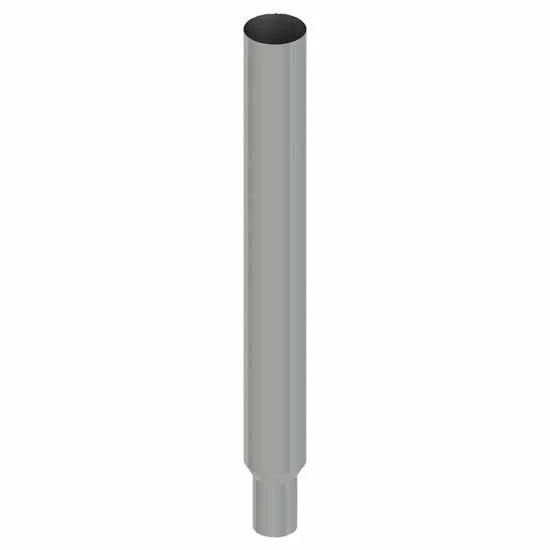
LC 30 Chrome Flat Top Exhaust Stack W/ 7 X 5 Inch OD & Extended Reduction Design
LINCOLN CHROME
$301.9930 Inch Flat Top Exhaust Stack W/ 7 X 5 Inch OD & Extended Reduction Design By Lincoln Chrome* High Quality Exhaust Top Stack* Made Of Chrome Plated Carbon Steel* Flat Top Style* Extended Reduction...09-085030000- SKU:
- 09-085030000
- Diameter Options:
- 7 To 5 Inch
- Material Options:
- Carbon Steel
- Location:
- Made In USA
- Finish Options:
- Chrome-Plated
- Style Options:
- Flat Top
- Product Type:
- Exhaust
- Height Options:
- 30 Inch
- Make:
- Universal Items
$301.99Qty in Cart: 0Price:$301.99Subtotal: -

LC 60 Chrome Flat Top Exhaust Stack W/ Extended Reduction Design 7 OD Top & 5 OD Bottom
LINCOLN CHROME
$458.9960 Inch Flat Top Exhaust Stack W/ Extended Reduction Design 7 OD Top & 5 OD Bottom By Lincoln Chrome* High Quality Exhaust Top Stack* Made Of Chrome Plated Carbon Steel* Flat Top Style* Extended...09-087560102- SKU:
- 09-087560102
- Location:
- Made In USA
- Height Options:
- 60 Inch
- Diameter Options:
- 7 To 5 Inch
- Style Options:
- Flat Top
- Finish Options:
- Chrome-Plated
- Material Options:
- Carbon Steel
- Product Type:
- Exhaust
- Make:
- Universal Items
$458.99Qty in Cart: 0Price:$458.99Subtotal: -

LC 5 X 48 Chrome Flat Top Exhaust Stack
LINCOLN CHROME
$212.995 X 48 Inch Flat Top Exhaust Stack By Lincoln Chrome* High Quality Exhaust Top Stack* Made Of Chrome Plated Carbon Steel* Flat Top Style* ID Expanded End Form Design (Non-Reduced)* Dimensions: - 48...09-085048103- SKU:
- 09-085048103
- Finish Options:
- Chrome-Plated
- Material Options:
- Carbon Steel
- Height Options:
- 48 Inch
- Product Type:
- Exhaust
- Diameter Options:
- 5 Inch
- Style Options:
- Flat Top
- Location:
- Made In USA
- Make:
- Universal Items
$212.99Qty in Cart: 0Price:$212.99Subtotal: -

LC 84 Chrome Flat Top Exhaust Stack W/ OD Straight Cut Design 6 OD Top & 5 OD Bottom
LINCOLN CHROME
$622.9984 Inch Flat Top Exhaust Stack W/ OD Straight Cut Design 6 OD Top & 5 OD Bottom By Lincoln Chrome* High Quality Exhaust Top Stack* Made Of Chrome Plated Carbon Steel* Flat Top Style* OD Straight Cut...09-086084003- SKU:
- 09-086084003
- Height Options:
- 84 Inch
- Finish Options:
- Chrome-Plated
- Style Options:
- Flat Top
- Product Type:
- Exhaust
- Location:
- Made In USA
- Diameter Options:
- 6 Inch
- Material Options:
- Carbon Steel
- Make:
- Universal Items
$622.99Qty in Cart: 0Price:$622.99Subtotal: -
FREE SHIPPING
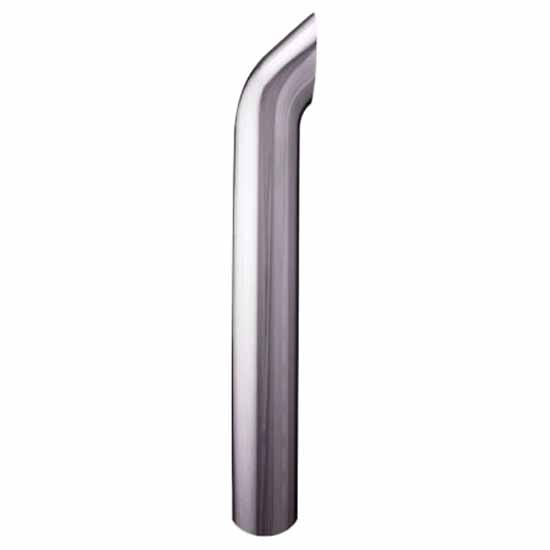
BESTfit Chrome West Coast Exhaust Stack
BESTFIT TRUCK PARTS
$195.99 - $786.99Choose Option(s) to see description.Fitment** Universal - Fits Multiple Makes & Models Of TrucksBESTfit 5 X 36 Chrome West Coast Exhaust Stack5 X 36 Inch West Coast Exhaust Stack By BESTfit* High...PPR_301087- SKU:
- PPR_301087
- Product Type:
- Exhaust
- Diameter Options:
- 8 Inch
- Height Options:
- 44 Inch
- Height Options:
- 96 Inch
- Diameter Options:
- 5 Inch
- Diameter Options:
- 7 Inch
- Finish Options:
- Chrome-Plated
- Height Options:
- 36 Inch
- Height Options:
- 54 Inch
- Height Options:
- 72 Inch
- Material Options:
- Steel
- Diameter Options:
- 6 Inch
- Height Options:
- 108 Inch
- Height Options:
- 60 Inch
- Style Options:
- West Coast Turn
- Make:
- Universal Items
- Location:
- Made In USA
- Ready To Ship:
- Yes
$195.99 - $786.99Qty in Cart: 0Price:$195.99 - $786.99Subtotal: -

BESTfit 3 Inch Chrome Wide Smooth Exhaust Clamp
BESTFIT TRUCK PARTS
$114.99 - $133.99Choose Option(s) to see description.Fitment** Universal - Fits Multiple Makes & Models Of TrucksBESTfit 6 X 3 Inch Chrome Wide Smooth Exhaust Clamp Replaces 50BJ-600SCP6 X 3 Inch Chrome Wide Smooth...PPR_301076- SKU:
- PPR_301076
- Product Type:
- Exhaust
- Diameter Options:
- 6 Inch
- Material Options:
- Steel
- Diameter Options:
- 7 Inch
- Style Options:
- Smooth
- Finish Options:
- Chrome-Plated
- Diameter Options:
- 8 Inch
- Width Options:
- 3 Inch
- Make:
- Universal Items
- Location:
- Made In USA
$114.99 - $133.99Qty in Cart: 0Price:$114.99 - $133.99Subtotal: -
FREE SHIPPING

BESTfit Chrome Flat Top Exhaust Stack
BESTFIT TRUCK PARTS
$258.99 - $1,117.34Choose Option(s) to see description.Fitment** Universal - Fits Multiple Makes & Models Of TrucksBESTfit 6 X 44 Chrome Flat Top Exhaust Stack Replaces 24P-60044CP6 X 44 Inch Flat Top Exhaust Stack By...PPR_301075- SKU:
- PPR_301075
- Product Type:
- Exhaust
- Diameter Options:
- 8 Inch
- Height Options:
- 54 Inch
- Finish Options:
- Chrome-Plated
- Height Options:
- 60 Inch
- Diameter Options:
- 7 Inch
- Height Options:
- 44 Inch
- Style Options:
- Flat Top
- Diameter Options:
- 6 Inch
- Height Options:
- 108 Inch
- Material Options:
- Steel
- Make:
- Universal Items
- Location:
- Made In USA
- Ready To Ship:
- Yes
$258.99 - $1,117.34Qty in Cart: 0Price:$258.99 - $1,117.34Subtotal: -
FREE SHIPPING OVER $249

BESTfit Chrome Miter Exhaust Stack
BESTFIT TRUCK PARTS
$235.99 - $984.99Choose Option(s) to see description.Fitment** Universal - Fits Multiple Makes & Models Of TrucksBESTfit 6 X 44 Chrome Miter Exhaust Stack Replaces 24MP-60044CP6 X 44 Inch Miter Exhaust Stack By...PPR_301074- SKU:
- PPR_301074
- Product Type:
- Exhaust
- Diameter Options:
- 8 Inch
- Height Options:
- 44 Inch
- Material Options:
- Steel
- Diameter Options:
- 7 Inch
- Finish Options:
- Chrome-Plated
- Height Options:
- 114 Inch
- Height Options:
- 54 Inch
- Height Options:
- 96 Inch
- Style Options:
- Miter Cut
- Diameter Options:
- 6 Inch
- Finish Optionsq:
- Chrome-Plated
- Height Options:
- 60 Inch
- Make:
- Universal Items
- Location:
- Made In USA
- Ready To Ship:
- Yes
$235.99 - $984.99Qty in Cart: 0Price:$235.99 - $984.99Subtotal: -

BESTfit 8 Inch Chrome Exhaust Spool W/ Tapered Top
BESTFIT TRUCK PARTS
$489.99Choose Option(s) to see description.Fitment** Universal - Fits Multiple Makes & Models Of TrucksBESTfit 8 X 52 Chrome Exhaust Spool W/ Tapered Top Replaces 24ZPX-80052CP8 X 52 Chrome Exhaust Spool W/...PPR_301069- SKU:
- PPR_301069
- Product Type:
- Exhaust
- Finish Options:
- Chrome-Plated
- Position:
- Kit Full
- Diameter Options:
- 8 Inch
- Height Options:
- 52 Inch
- Material Options:
- Steel
- Style Options:
- Tapered
- Ready To Ship:
- Yes
- Height Options:
- 55 Inch
- Make:
- Universal Items
- Location:
- Made In USA
$489.99Qty in Cart: 0Price:$489.99Subtotal: -
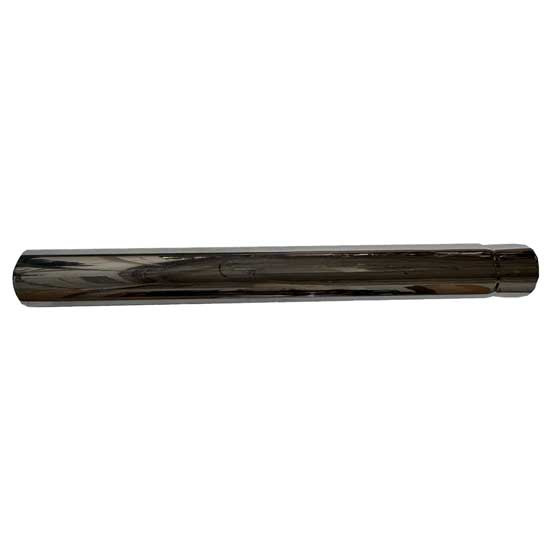
BESTfit 6 Inch Chrome Exhaust Spool W/ Tapered Top
BESTFIT TRUCK PARTS
$439.99Choose Option(s) to see description.Fitment** Universal - Fits Multiple Makes & Models Of TrucksBESTfit 6 X 52 Chrome Exhaust Spool W/ Tapered Top Replaces 24ZPX-70052CP6 X 52 Chrome Exhaust Spool W/...PPR_301065- SKU:
- PPR_301065
- Product Type:
- Exhaust
- Diameter Options:
- 6 Inch
- Material Options:
- Steel
- Ready To Ship:
- Yes
- Finish Options:
- Chrome-Plated
- Height Options:
- 55 Inch
- Style Options:
- Tapered
- Height Options:
- 52 Inch
- Make:
- Universal Items
- Location:
- Made In USA
$439.99Qty in Cart: 0Price:$439.99Subtotal: -
FREE SHIPPING OVER $249

Amber & Red Double Face Watermelon Style 2 Inch LED Dual Function Turn Light
BESTFIT TRUCK PARTS
$40.99 - $49.99Choose Option(s) to see description.Fitment** Universal - Fits Multiple Makes & Models Of TrucksAmber & Red Double Face Watermelon Style 2 Inch LED Dual Function Turn Light W/ Green Auxiliary...PPR_301061- SKU:
- PPR_301061
- Product Type:
- Lighting
- Diameter Options:
- 2 Inch
- Style Options:
- Watermelon
- Type Options:
- Stud Mount
- Make:
- Universal Items
$40.99 - $49.99Qty in Cart: 0Price:$40.99 - $49.99Subtotal: -
FREE SHIPPING OVER $249

TPHD 33MM Lug Nut Cover W/ Flanged Design & Style Options
TPHD
$0.99Choose Option(s) to see description.Fitment** Universal - Fits Multiple Makes & Models Of TrucksTPHD 33MM Lug Nut Cover W/ Round Type Style & Flanged Design33MM Lug Nut Cover W/ Round Type Style &...PPR_301062- SKU:
- PPR_301062
- Product Type:
- Wheels
- Height Options:
- 2 1/2 Inch
- Size Options:
- 33 mm
- Material Options:
- Steel
- Finish Options:
- Chrome-Plated
- Style Options:
- Bullet
- Shape Options:
- Round
- Shape Options:
- Bullet
- Style Options:
- Top Hat
- Make:
- Universal Items
$0.99Qty in Cart: 0Price:$0.99Subtotal: -

BESTfit 7 Inch Chrome Exhaust Spool W/ Tapered Top
BESTFIT TRUCK PARTS
$469.99Choose Option(s) to see description.Fitment** Universal - Fits Multiple Makes & Models Of TrucksBESTfit 7 X 52 Chrome Exhaust Spool W/ Tapered Top Replaces 24ZPX-70052CP7 X 52 Chrome Exhaust Spool W/...PPR_301068- SKU:
- PPR_301068
- Product Type:
- Exhaust
- Finish Options:
- Chrome-Plated
- Position:
- Kit Full
- Diameter Options:
- 7 Inch
- Height Options:
- 52 Inch
- Material Options:
- Steel
- Style Options:
- Tapered
- Ready To Ship:
- Yes
- Height Options:
- 55 Inch
- Make:
- Universal Items
- Location:
- Made In USA
$469.99Qty in Cart: 0Price:$469.99Subtotal: -
FREE SHIPPING OVER $249

BESTfit 33MM Chrome Plastic Thread-On Lug Nut Cover
BESTFIT TRUCK PARTS
$1.49Choose Option(s) to see description.Fitment** Universal - Fits Multiple Makes & Models Of TrucksBESTfit 33MM Chrome Plastic Thread-On Lug Nut Cover Flat Top StyleFlat Top Style 33 MM Chrome Plastic...PPR_301064- SKU:
- PPR_301064
- Product Type:
- Wheels
- Style Options:
- Flat Top
- Finish Options:
- Chrome-Plated
- Size Options:
- 33 mm
- Style Options:
- Spike
- Material Options:
- Plastic/Poly
- Type Options:
- Thread On
- Make:
- Universal Items
$1.49Qty in Cart: 0Price:$1.49Subtotal: -
FREE SHIPPING OVER $249

TPHD Chrome Plated Steel Front Hub Cab 6 Notch Style
TPHD
$6.99Choose Option(s) to see description.Fitment** Universal - Fits Multiple Makes & Models Of TrucksTPHD Chrome Plated Steel Front Hub Cab 6 Notch Style W/ Short LipChrome Plated Steel Front Hub Cab 6...PPR_301063- SKU:
- PPR_301063
- Product Type:
- Wheels
- Material Options:
- Steel
- Finish Options:
- Chrome-Plated
- Make:
- Universal Items
$6.99Qty in Cart: 0Price:$6.99Subtotal: -
FREE SHIPPING OVER $249

BESTfit Tiger Eye Small Rectangular Marker Light W/ Color Options
BESTFIT TRUCK PARTS
$14.99 - $17.99Choose Option(s) to see description.Fitment** Universal - Fits Multiple Makes & Models Of TrucksBESTfit Amber/Clear Tiger Eye Small Rectangular Marker LightAmber LED/Clear Lens Tiger Eye Small...PPR_301060- SKU:
- PPR_301060
- Product Type:
- Lighting
- Color:
- Amber/Red
- Color:
- Amber/Clear
- Style Options:
- Tiger Eye
- Color:
- Red/Clear
- Shape Options:
- Rectangular
- Make:
- Universal Items
$14.99 - $17.99Qty in Cart: 0Price:$14.99 - $17.99Subtotal: -
FREE SHIPPING OVER $249

BESTfit Watermelon Turn Light 3 Inch W/ Stainless Steel Bezel
BESTFIT TRUCK PARTS
$29.99Choose Option(s) to see description.Fitment** Universal - Fits Multiple Makes & Models Of TrucksBESTfit Amber/Red/Clear Watermelon Turn Light 3 Inch W/ Stainless Steel BezelAmber/Red/Clear Watermelon...PPR_301059- SKU:
- PPR_301059
- Product Type:
- Lighting
- Finish Options:
- Chrome-Plated
- Diameter Options:
- 2 Inch
- Color:
- Amber
- Style Options:
- Watermelon
- Color:
- Amber/Red
- Type Options:
- Stud Mount
- Make:
- Universal Items
$29.99Qty in Cart: 0Price:$29.99Subtotal: -

BESTfit Diesel Particulate Filter Gasket For Cummins Replaces 2871772, 5417860
BESTFIT TRUCK PARTS
$24.99Diesel Particulate Filter Gasket By BESTfit Replaces 2871772, 5417860 Fits CumminsEnsure a secure, leak-resistant seal in your exhaust aftertreatment system with this BESTfit Diesel Particulate...29-08090001- SKU:
- 29-08090001
- Product Type:
- Exhaust
- Location:
- Made In USA
- Shape Options:
- Round
- Diameter Options:
- 12 Inch
- Style Options:
- Cummins
- Make:
- Universal Items
$24.99Qty in Cart: 0Price:$24.99Subtotal: -

Ace Low Back Seat Black Vinyl W/ Black Stitching, Manual Recline & Power Lumbar, Heat/Cool Option
SUPERIOR SEATING
$2,477.90Ace Low Back Seat Black Vinyl W/ Black StitchingExperience improved comfort behind the wheel with the Ace Low Back Driver Seat with Black Vinyl and Black Stitching. Built for heavy-duty truck...09-192000229K01- SKU:
- 09-192000229K01
- Product Type:
- Seats
- Position:
- Driver Side
- Color:
- Black
- Style Options:
- Heated
- Material Options:
- Vinyl
- Location:
- Made In USA
- Type Options:
- Low Back
- Make:
- Universal Items
$2,477.90Qty in Cart: 0Price:$2,477.90Subtotal: -

Excalibur Standard Seat Black Vinyl W/ Black Stitching, Manual Recline & Power Lumbar, Heat/Cool Option
SUPERIOR SEATING
$2,507.99Black Vinyl W/ Black Stitching Excalibur Standard Seat, Manual Recline & Power Lumbar, Heat/Cool OptionExperience enhanced comfort and support behind the wheel with the Excalibur Standard Seat in...09-192000227K01- SKU:
- 09-192000227K01
- Product Type:
- Seats
- Color:
- Black
- Position:
- Driver Side
- Style Options:
- Excaliber Design
- Material Options:
- Vinyl
- Location:
- Made In USA
- Type Options:
- Heated
- Make:
- Universal Items
$2,507.99Qty in Cart: 0Price:$2,507.99Subtotal: -

Excalibur XL Seat Black Vinyl W/ Black Stitching, Manual Recline & Power Lumbar, Heat/Cool Options
SUPERIOR SEATING
$2,807.99Black Vinyl W/ Black Stitching Excalibur XL Seat, Manual Recline & Power Lumbar, Heat/Cool OptionsThe Excalibur XL Seat in Black Vinyl with Black Stitching is built to provide professional drivers...09-192000228K01- SKU:
- 09-192000228K01
- Product Type:
- Seats
- Location:
- Made In USA
- Type Options:
- Heated
- Material Options:
- Vinyl
- Color:
- Black
- Style Options:
- Excaliber Design
- Position:
- Driver Side
- Make:
- Universal Items
$2,807.99Qty in Cart: 0Price:$2,807.99Subtotal: -
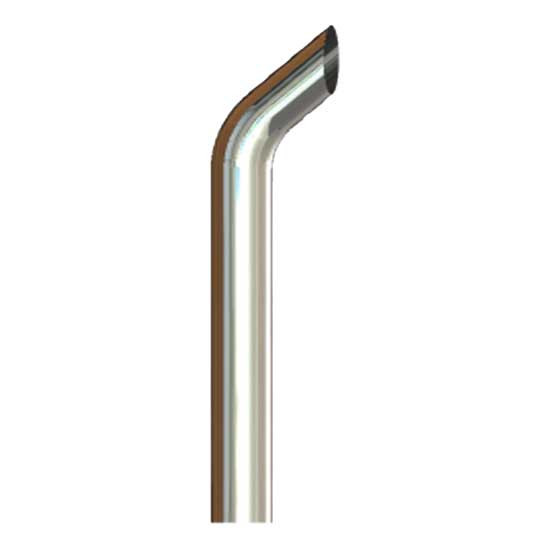
BESTfit 8 X 60 Chrome Bull Hauler Exhaust Stack Replaces 26P-80060CP
BESTFIT TRUCK PARTS
$565.998 X 60 Inch Bull Hauler Exhaust Stack By BESTfit Replaces 26P-80060CP* High Quality Exhaust Stack* Made Of Chrome Plated Steel* Bull Hauler Top* Dimensions: - 60 Inch Height - 8 Inch Outside...09-088060044- SKU:
- 09-088060044
- Product Type:
- Exhaust
- Location:
- Made In USA
- Finish Options:
- Chrome-Plated
- Height Options:
- 60 Inch
- Style Options:
- Bull Hauler Turn
- Diameter Options:
- 8 Inch
- Material Options:
- Steel
- Make:
- Universal Items
$565.99Qty in Cart: 0Price:$565.99Subtotal: -
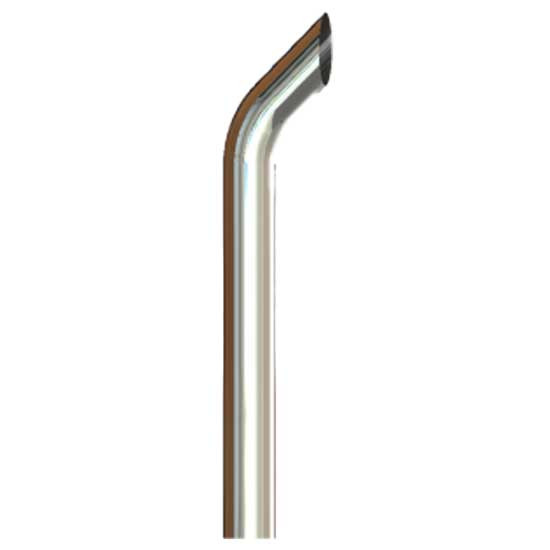
BESTfit 6 X 60 Chrome Bull Horn Exhaust Stack
BESTFIT TRUCK PARTS
$458.996 X 60 Inch Bull Horn Exhaust Stack By BESTfit* High Quality Exhaust Stack* Made Of Chrome Plated Steel* Bull Horn Top* Dimensions: - 60 Inch Height - 6 Inch Outside Diameter* Sold Individually*...09-086060044- SKU:
- 09-086060044
- Product Type:
- Exhaust
- Height Options:
- 60 Inch
- Diameter Options:
- 6 Inch
- Finish Options:
- Chrome-Plated
- Material Options:
- Steel
- Style Options:
- Bullhorn Top Style
- Location:
- Made In USA
- Make:
- Universal Items
$458.99Qty in Cart: 0Price:$458.99Subtotal: -

BESTfit 5 Inch ID-OD Chrome Exhaust Tee 24 Inch OD & 15 Inch ID
BESTFIT TRUCK PARTS
$243.995 Inch ID-OD Chrome Exhaust Tee 24 Inch OD & 15 Inch ID By BESTfit* High Quality Exhaust Y-Pipe* Made Of Chrome Plated Steel* 2-Bend Design* Universal Fit* Dimensions: - 24 Inch Outlet To Outlet...09-0806515- SKU:
- 09-0806515
- Product Type:
- Exhaust
- Diameter Options:
- 5 Inch
- Finish Options:
- Chrome-Plated
- Location:
- Made In USA
- Material Options:
- Steel
- Length Options:
- 24 Inch
- Make:
- Universal Items
$243.99Qty in Cart: 0Price:$243.99Subtotal: -
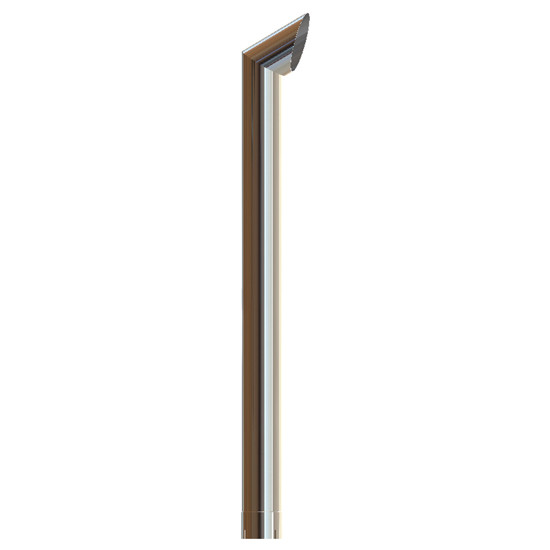
BESTfit 5 X 60 Steel Chino Top Brute Style Exhaust Stack
BESTFIT TRUCK PARTS
$369.995 X 60 Inch Chino Top Brute Style Exhaust Stack By BESTfit* High Quality Exhaust Stack* Made Of Chrome Plated Steel* Brute Style* Chino Top* Dimensions: - 60 Inch Height - 5 Inch Inside Diameter*...09-085060124- SKU:
- 09-085060124
- Product Type:
- Exhaust
- Diameter Options:
- 5 Inch
- Material Options:
- Steel
- Location:
- Made In USA
- Height Options:
- 60 Inch
- Finish Options:
- Chrome-Plated
- Style Options:
- Brute Style Chino
- Make:
- Universal Items
$369.99Qty in Cart: 0Price:$369.99Subtotal: -

BESTfit 6 X 36 Inch Stainless Steel Flex Pipe Replaces 53-600
BESTFIT TRUCK PARTS
$129.996 X 36 Inch Stainless Steel Flex Pipe By BESTfit Replaces 53-600* High Quality Exhaust Flex Pipe* Made Of Stainless Steel* Flexible Construction* Dimensions: - 36 Inch Length - 6 Inch Inside...09-08046364- SKU:
- 09-08046364
- Product Type:
- Exhaust
- Length Options:
- 36 Inch
- Diameter Options:
- 6 Inch
- Material Options:
- Stainless Steel
- Location:
- Made In USA
- Make:
- Universal Items
$129.99Qty in Cart: 0Price:$129.99Subtotal: -
FREE SHIPPING OVER $249

BESTfit Stainless Steel Blank Heat Shield 30 Inch
BESTFIT TRUCK PARTS
$141.9930 Inch Stainless Steel Blank Heat Shield By BESTfitUpgrade your truck's exhaust system protection with the BESTfit Stainless Steel Blank Heat Shield 30 Inch, designed for durability and long-lasting...09-080800064- SKU:
- 09-080800064
- Product Type:
- Exhaust
- Height Options:
- 30 Inch
- Material Options:
- Stainless Steel
- Location:
- Made In USA
- Make:
- Universal Items
$141.99Qty in Cart: 0Price:$141.99Subtotal: -

BESTfit Chrome Plated Steel Exhaust Elbow W/ 90 Degree Bend & 7 ID X 5 OD Inch
BESTFIT TRUCK PARTS
$660.997 ID X 5 OD Inch Chrome Plated Steel Exhaust Elbow W/ 90 Degree Bend By BESTfit* High Quality Exhaust Elbow* Made Of Chrome Plated Steel* 90 Degree Bend* Reducer Style Design* 7 Inch Outside Diameter...09-08011717- SKU:
- 09-08011717
- Product Type:
- Exhaust
- Degree Options:
- 90
- Material Options:
- Steel
- Finish Options:
- Chrome-Plated
- Location:
- Made In USA
- Diameter Options:
- 7 To 5 Inch
- Make:
- Universal Items
$660.99Qty in Cart: 0Price:$660.99Subtotal: -

BESTfit 5 Inch Stainless Steel Flat Band Clamp
BESTFIT TRUCK PARTS
$28.995 Inch Stainless Steel Flat Band Clamp By BESTfit* High Quality Exhaust Band Clamp* Made Of 304 Stainless Steel* Flat Band Design* Mounting Hardware Included* Dimensions: - 5 Inch Inside Diameter*...09-08005001- SKU:
- 09-08005001
- Product Type:
- Exhaust
- Location:
- Made In USA
- Diameter Options:
- 5 Inch
- Material Options:
- Stainless Steel
- Make:
- Universal Items
$28.99Qty in Cart: 0Price:$28.99Subtotal: -
FREE SHIPPING OVER $249

Exhaust Shield Clamp Replaces 09-0800583
BESTFIT TRUCK PARTS
$20.14Replacement Exhaust Shield Clamp* High Quality Exhaust Shield Clamp* 8 Inch Diameter* Sold Individually* Warranty On Exhaust Shield Clamps Against Defects In Workmanship & Material From Date Of...09-0808530- SKU:
- 09-0808530
- Product Type:
- Exhaust
- Ready To Ship:
- Yes
- Diameter Options:
- 8 Inch
- Make:
- Universal Items
$20.14Qty in Cart: 0Price:$20.14Subtotal: -

LC 6 X 30 Inch Curved Exhaust Stack
LINCOLN CHROME
$284.996 X 30 Inch Curved Exhaust Stack By Lincoln ChromeThis LC 6 x 30 Inch Curved Exhaust Stack is designed to enhance both the appearance and performance of your truck. Made from durable chrome plated...09-086030082- SKU:
- 09-086030082
- Product Type:
- Exhaust
- Finish Options:
- Chrome-Plated
- Height Options:
- 30 Inch
- Style Options:
- Curve Turn
- Location:
- Made In USA
- Diameter Options:
- 6 To 5 Inch
- Material Options:
- Steel
- Make:
- Universal Items
$284.99Qty in Cart: 0Price:$284.99Subtotal: -

LC 7 X 84 Inch Chrome Turn Out Stack
LINCOLN CHROME
$785.997 X 84 Inch Chrome Turn Out Stack By Lincoln ChromeThis LC 7 x 84 Inch Chrome Turn Out Stack is built to deliver strength, style, and dependable performance for heavy-duty trucks. Constructed from...09-087084073- SKU:
- 09-087084073
- Product Type:
- Exhaust
- Diameter Options:
- 7 Inch
- Location:
- Made In USA
- Material Options:
- Steel
- Finish Options:
- Chrome-Plated
- Style Options:
- Curve Turn
- Height Options:
- 84 Inch
- Make:
- Universal Items
$785.99Qty in Cart: 0Price:$785.99Subtotal: -

LC 7-5 X 24 Chrome Plated Steel Bullhorn Top Stack
LINCOLN CHROME
$367.997-5 X 24 Inch Bullhorn Stack By Lincoln ChromeUpgrade your exhaust styling with the Lincoln Chrome Bullhorn Top Stack, built for strength, durability, and long-lasting performance in heavy-duty...09-08652406- SKU:
- 09-08652406
- Height Options:
- 24 Inch
- Location:
- Made In USA
- Diameter Options:
- 7 Inch
- Style Options:
- Bull Hauler Turn
- Material Options:
- Steel
- Finish Options:
- Chrome-Plated
- Product Type:
- Exhaust
- Make:
- Universal Items
$367.99Qty in Cart: 0Price:$367.99Subtotal: -
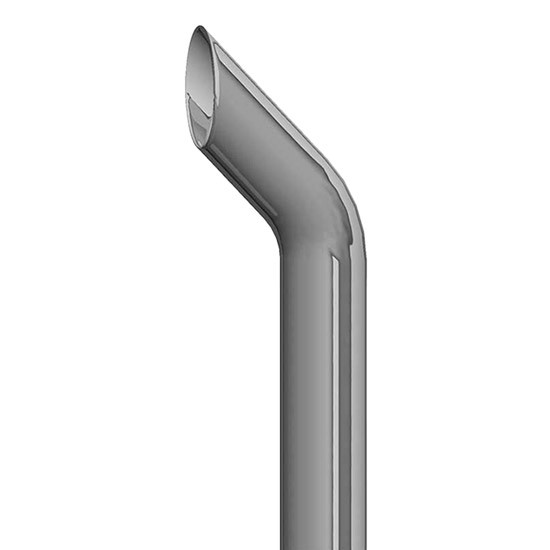
LC 7-5 X 64 Chrome Bull Hauler Exhaust Stack W/ 5 Inch OD On Bottom
LINCOLN CHROME
$701.997-5 X 64 Inch Bull Hauler Exhaust Stack W/ 5 Inch OD On Bottom By Lincoln ChromeUpgrade your rig with the durable and eye-catching Bull Hauler Exhaust Stack, designed to deliver both premium...09-08010296- SKU:
- 09-08010296
- Height Options:
- 64 Inch
- Style Options:
- Bull Hauler Turn
- Diameter Options:
- 7 Inch
- Location:
- Made In USA
- Finish Options:
- Chrome-Plated
- Material Options:
- Steel
- Product Type:
- Exhaust
- Make:
- Universal Items
$701.99Qty in Cart: 0Price:$701.99Subtotal: -

LC 36 Chrome Bull Hauler Top Stack W/ 6-5 Inch OD Extended Plain End
LINCOLN CHROME
$309.9936 Inch Bull Hauler Top Stack W/ 6-5 Inch OD Extended Plain End By Lincoln ChromeEnhance your truck's appearance and exhaust performance with the Bull Hauler Top Stack, built for drivers who want...09-086536043E- SKU:
- 09-086536043E
- Location:
- Made In USA
- Finish Options:
- Chrome-Plated
- Product Type:
- Exhaust
- Diameter Options:
- 6 Inch
- Height Options:
- 36 Inch
- Material Options:
- Steel
- Style Options:
- Bull Hauler Turn
- Make:
- Universal Items
$309.99Qty in Cart: 0Price:$309.99Subtotal: -

BESTfit 5 Inch Pre-Cut Galvanized Metal Flex Hose
BESTFIT TRUCK PARTS
$20.19 - $80.99Choose Option(s) to see description.Fitment** Universal - Fits Multiple Makes & Models Of TrucksBESTfit 5 X 12 Inch Galvanized Steel Flex Hose5 X 12 Inch Galvanized Flex Hose By BESTfit* High Quality...PPR_300291- SKU:
- PPR_300291
- Finish Options:
- Galvanized
- Length Options:
- 18 Inch
- Length Options:
- 60 Inch
- Product Type:
- Exhaust
- Material Options:
- Steel
- Style Options:
- Pre-Cut
- Diameter Options:
- 5 Inch
- Length Options:
- 12 Inch
- Length Options:
- 48 Inch
- Style Options:
- Flex
- Make:
- Universal Items
$20.19 - $80.99Qty in Cart: 0Price:$20.19 - $80.99Subtotal: -

BESTfit 5 Inch Standard Duty Roll Galvanized Metal Hose
BESTFIT TRUCK PARTS
$135.99 - $292.99Choose Option(s) to see description.Fitment** Universal - Fits Multiple Makes & Models Of TrucksBESTfit 5 Inch X 10 Ft Galvanized Steel Flex Hose5 Inch X 10 Ft Galvanized Flex Hose By BESTfit* High...PPR_300294- SKU:
- PPR_300294
- Product Type:
- Exhaust
- Length Options:
- 300 Inch
- Finish Options:
- Galvanized
- Length Options:
- 120 Inch
- Diameter Options:
- 5 Inch
- Style Options:
- Standard
- Material Options:
- Steel
- Make:
- Universal Items
$135.99 - $292.99Qty in Cart: 0Price:$135.99 - $292.99Subtotal: -
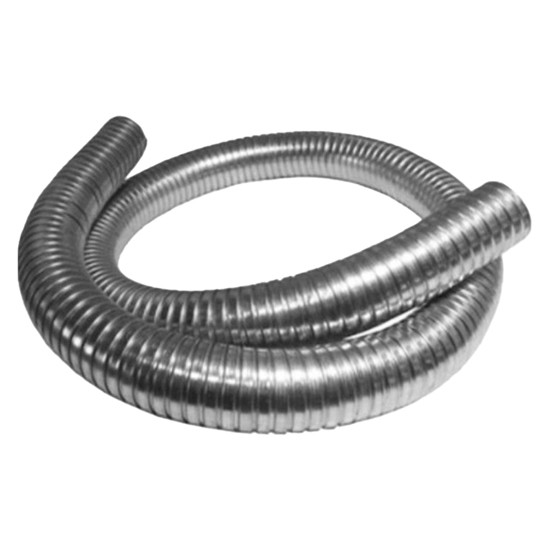
BESTFit 3 Inch Standard Duty Roll Galvanized Metal Hose
BESTFIT TRUCK PARTS
$87.99 - $207.99Choose Option(s) to see description.Fitment** Universal - Fits Multiple Makes & Models Of TrucksBESTfit 3 Inch X 10 Ft Galvanized Steel Flex Hose3 Inch X 10 Ft Galvanized Flex Hose By BESTfit* High...PPR_300287- SKU:
- PPR_300287
- Diameter Options:
- 3 Inch
- Length Options:
- 120 Inch
- Material Options:
- Steel
- Product Type:
- Exhaust
- Style Options:
- Standard
- Finish Options:
- Galvanized
- Length Options:
- 300 Inch
- Make:
- Universal Items
$87.99 - $207.99Qty in Cart: 0Price:$87.99 - $207.99Subtotal: -
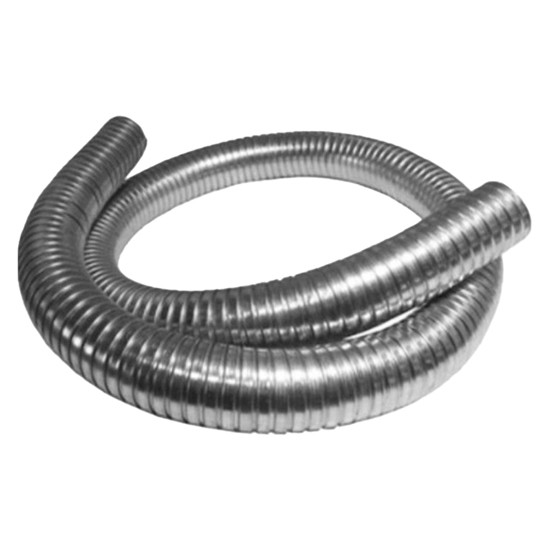
BESTfit 3.5 Inch Standard Duty Roll Galvanized Metal Hose
BESTFIT TRUCK PARTS
$101.99 - $224.99Choose Option(s) to see description.Fitment** Universal - Fits Multiple Makes & Models Of TrucksBESTfit 3.5 Inch X 10 Ft Galvanized Steel Flex Hose3.5 Inch X 10 Ft Galvanized Flex Hose By BESTfit*...PPR_300292- SKU:
- PPR_300292
- Product Type:
- Exhaust
- Length Options:
- 300 Inch
- Diameter Options:
- 3 1/2 Inch
- Finish Options:
- Galvanized
- Material Options:
- Steel
- Length Options:
- 120 Inch
- Style Options:
- Standard
- Make:
- Universal Items
$101.99 - $224.99Qty in Cart: 0Price:$101.99 - $224.99Subtotal: -
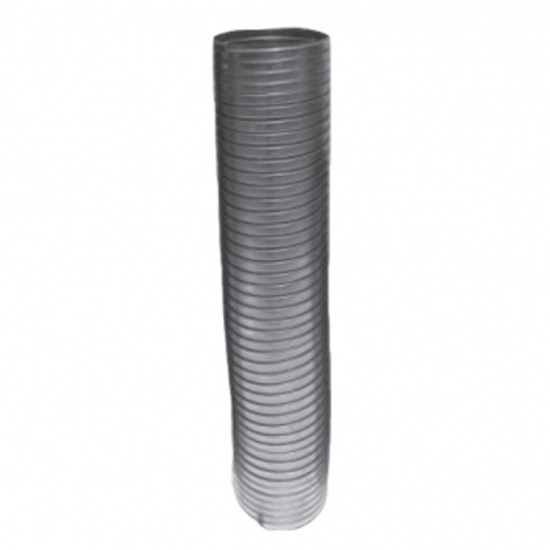
BESTfit 4 Inch Pre-Cut Galvanized Metal Flex Hose
BESTFIT TRUCK PARTS
$24.39 - $74.15Choose Option(s) to see description.Fitment** Universal - Fits Multiple Makes & Models Of TrucksBESTfit 4 X 18 Inch Galvanized Steel Flex Hose4 X 18 Inch Galvanized Flex Hose By BESTfit* High Quality...PPR_300290- SKU:
- PPR_300290
- Diameter Options:
- 4 Inch
- Length Options:
- 36 Inch
- Length Options:
- 18 Inch
- Length Options:
- 24 Inch
- Style Options:
- Flex
- Material Options:
- Steel
- Product Type:
- Exhaust
- Finish Options:
- Galvanized
- Length Options:
- 60 Inch
- Make:
- Universal Items
$24.39 - $74.15Qty in Cart: 0Price:$24.39 - $74.15Subtotal: -

BESTfit 3 Inch Pre-Cut Galvanized Metal Flex Hose
BESTFIT TRUCK PARTS
$29.99 - $34.99Choose Option(s) to see description.Fitment** Universal - Fits Multiple Makes & Models Of TrucksBESTfit 3 X 24 Inch Galvanized Steel Flex Hose3 X 24 Inch Galvanized Flex Hose By BESTfit* High Quality...PPR_300288- SKU:
- PPR_300288
- Style Options:
- Flex
- Length Options:
- 36 Inch
- Finish Options:
- Galvanized
- Material Options:
- Steel
- Length Options:
- 24 Inch
- Product Type:
- Exhaust
- Diameter Options:
- 3 Inch
- Make:
- Universal Items
$29.99 - $34.99Qty in Cart: 0Price:$29.99 - $34.99Subtotal: -

BESTfit 4 Inch Standard Duty Roll Galvanized Metal Hose
BESTFIT TRUCK PARTS
$130.99 - $250.99Choose Option(s) to see description.Fitment** Universal - Fits Multiple Makes & Models Of TrucksBESTfit 4 Inch X 10 Ft Galvanized Steel Flex Hose4 Inch X 10 Ft Galvanized Flex Hose By BESTfit* High...PPR_300293- SKU:
- PPR_300293
- Length Options:
- 120 Inch
- Style Options:
- Standard
- Diameter Options:
- 4 Inch
- Material Options:
- Steel
- Finish Options:
- Galvanized
- Product Type:
- Exhaust
- Length Options:
- 300 Inch
- Make:
- Universal Items
$130.99 - $250.99Qty in Cart: 0Price:$130.99 - $250.99Subtotal: