



Top 4 Semi Truck Power Inverters to Fully Charge Your Appliances
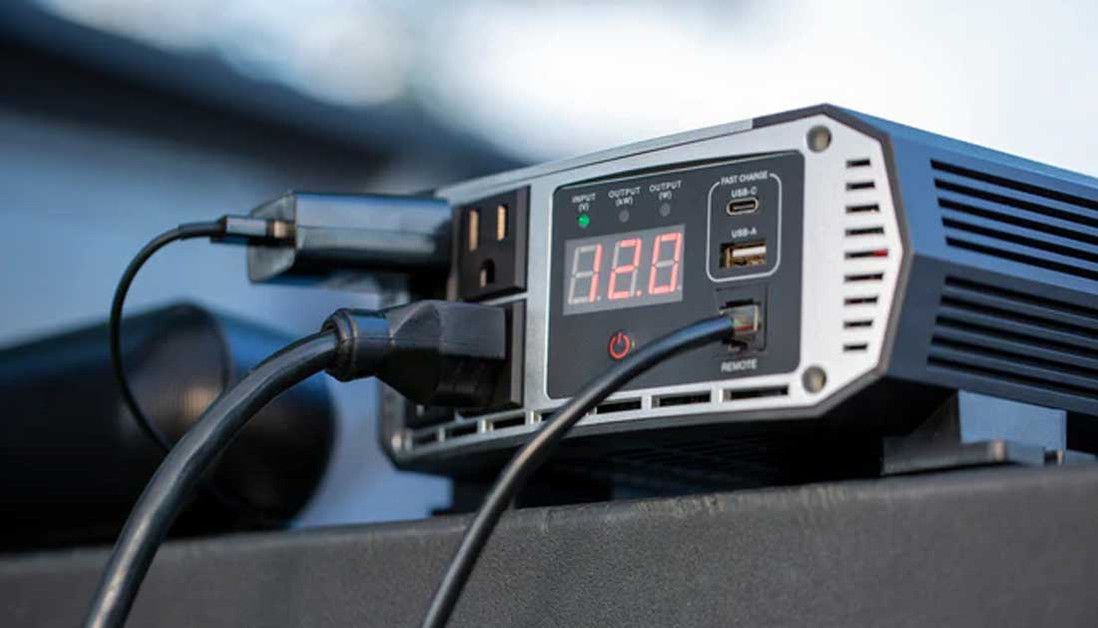
Semi truck power inverters are critical for truckers who need more comfort, productivity, safety, and convenience on long-haul truck drives.
Key Takeaways
- Size the inverter for total wattage, startup surge, battery capacity, and runtime.
- Use pure sine wave power for sensitive electronics. Large appliances often require a hardwired system.
- Follow cable, fuse, grounding, mounting, and ventilation requirements.
- Watch for shutdowns, heat, odors, or voltage warnings, and inspect the battery and wiring regularly.
How to Choose the Right Power Inverter for Your Truck
Choosing the right one depends on your needs.
What are you charging?
A 3000W inverter, for example, is enough power for a 900W microwave, a 120W mini-fridge, and a 90W laptop charger, plus a smart phone charger.
Semi Truck Power Inverters — Key Specs to Consider
Power inverter performance is like cycling a bicycle. It takes a lot of effort to get going. Once you're at a certain speed, you don't have to peddle as hard.
The "surge capacity" is the forceful start when the inverter activates. The "peak surge" is maximum power spikes that happen in short bursts. "Continuous power" is the steady long-term run time.
Based on performance metrics and features, here are some of the best power inverters for trucks.
#1. 12V 3000 Watt Portable Power Inverter With High Surge Capacity
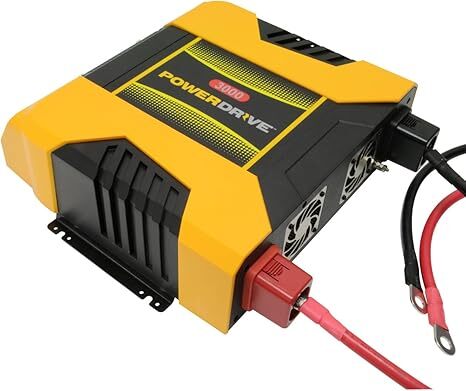
- Power Output: 3000 watts continuous, with a extremely high surge capacity (eg. 3000W divided by 12V = 250A draw from your truck's battery at full capacity)
- Features: Equipped with four 3-prong AC outlets and two USB ports, allowing multiple devices to be powered simultaneously.
- Design: Portable and designed for durability, making it suitable for the demanding environment of a semi-truck.
- Perfect For: Drivers needing to operate several high-wattage appliances or tools concurrently.
#2. 2500-5000 Watt AC-DC Power Inverter With 3 Plugs
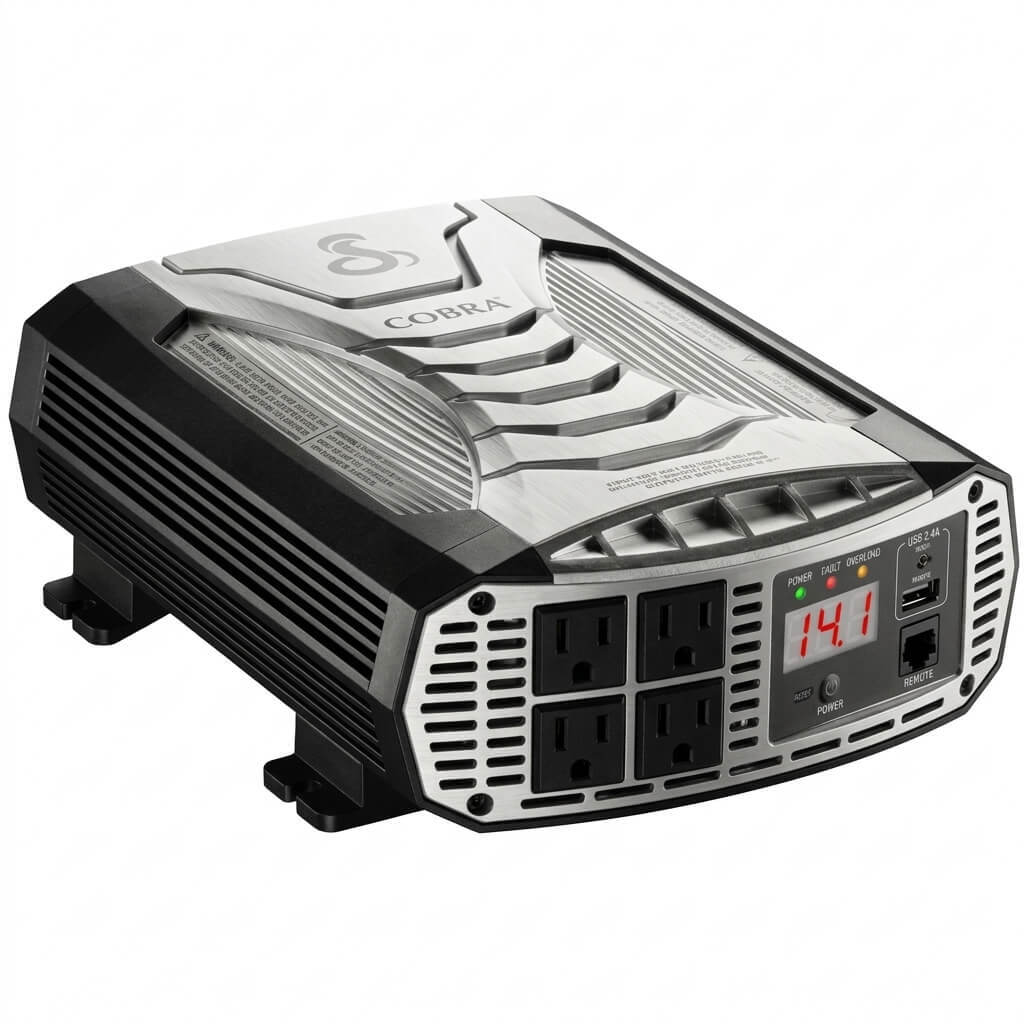
Top Features of the Cobra 2500-5000 Watt AC-DC Power Inverter:
- Power Output: 2500 watts continuous, peaking at 5000 watts.
- Features: Includes three AC outlets, a 5-watt USB port, power indicator, and alarm system to alert users of potential issues.
- Safety: Built-in protections against over-voltage, under-voltage, and thermal overload.
- Best Suited For: Operators requiring a robust inverter for heavy-duty applications with multiple devices.
#3. 12V 100 Watt Portable Direct Power Inverter
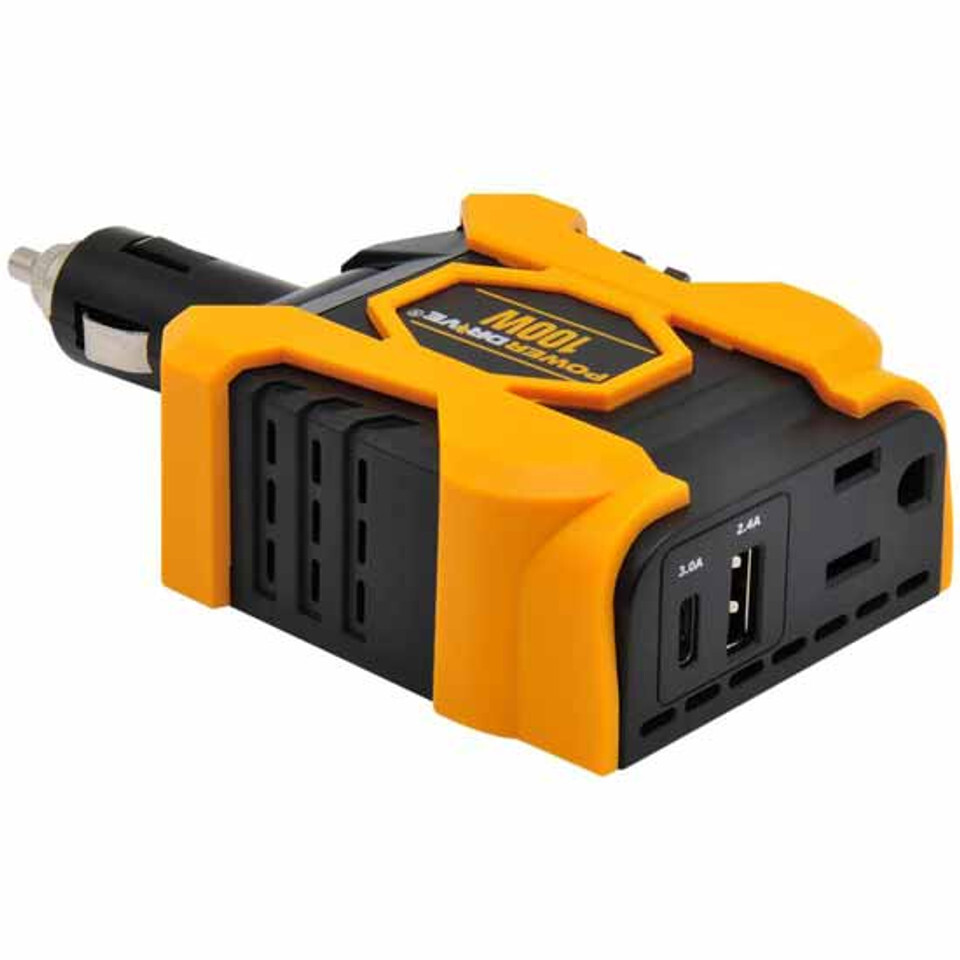
The key features of PowerDrive Portable Inverter with Dual Ports:
- Power Output: 100 watts continuous.
- Features: Includes dual ports for charging small devices such as smartphones, tablets, or GPS units.
- Design: Ultra-portable and easy to use, ideal for quick charging needs.
- Recommended For: Drivers needing a simple solution for keeping personal electronics charged during trips.
#4. Power Drive 1000 Watt Wave Power Inverter
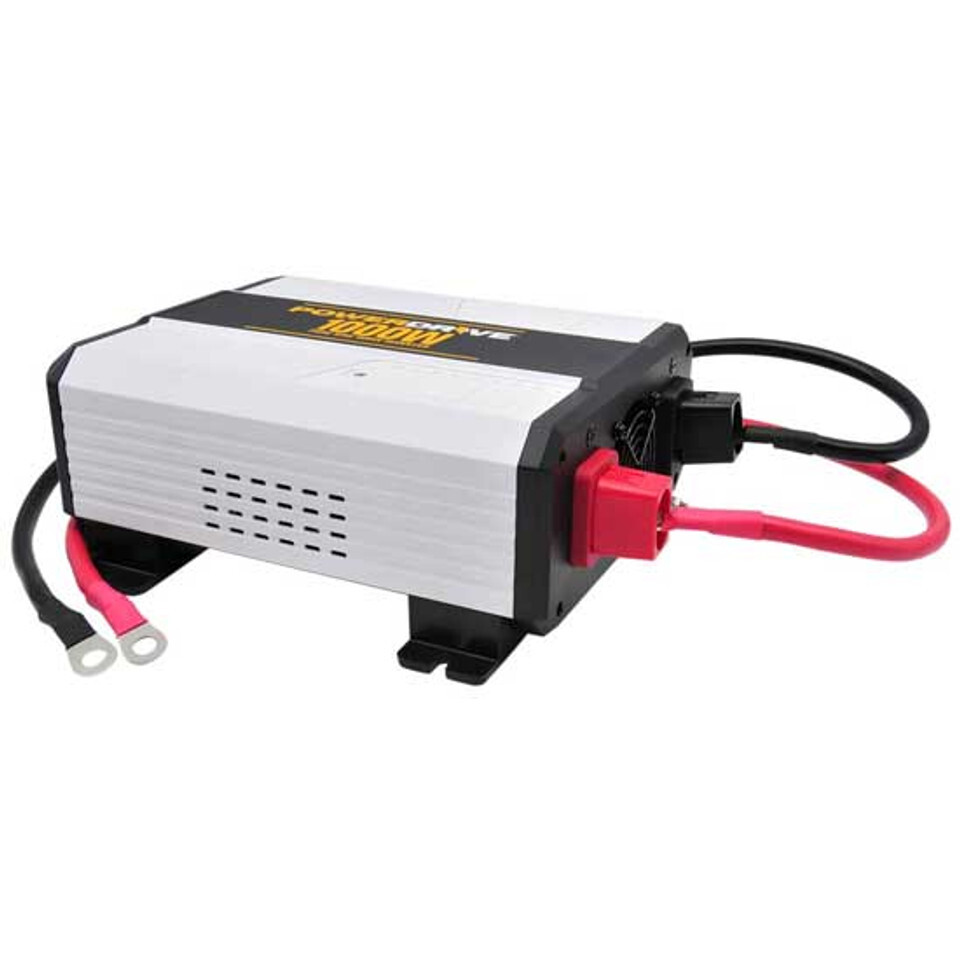
The key features of this PowerDrive 1000 Watt Inverter:
- Power Output: 1000 watts continuous.
- Features: Designed to provide reliable power for essential devices and smaller appliances.
- Design: Compact and efficient, making it suitable for limited cabin spaces.
- Ideal For: Drivers looking to power basic electronics without the need for high wattage.
Comparison: Cobra vs PowerDrive Inverters
| Feature | PowerDrive 3,000W Inverter | Cobra 2,500W Inverter |
|---|---|---|
| Continuous Output | 3,000 watts | 2,500 watts |
| Peak Output | 6,000 watts | 5,000 watts |
| Power Advantage | 500W more continuous power | Lower electrical demand |
| Waveform | Modified sine wave | Modified sine wave |
| Conversion | 12V DC to AC | 12V DC to AC |
| AC Outlets | Four 3-prong outlets | Three 3-prong outlets* |
| USB Charging | Two USB-A ports | One 5W USB port* |
| Controls | Bluetooth app, removable control panel, and voice alerts | Power indicator and protection alarms |
| Installation | Direct-battery connection | Direct-battery connection |
| Best Fit | Multiple appliances or equipment with higher startup demand | Sleeper-cab setups needing up to 2,500W |
| Main Advantage | Highest output and more connections | Strong output without moving to a 3,000W system |
The PowerDrive 3,000W model has the most raw-output available, powering numerous appliances simultaneously. Choose it for max AC output, and 6,000W of startup.
However, the Cobra CPI 2,500W inverter has versatility with a 4GFCI and USB-A or USB-C remote capability. You still get 5,000W of short-term surge capacity to load plenty of applications (microwave, mini-fridge, etc.).
What to Consider Before Buying a Power Inverter
- Power Requirements: Assess the total wattage of devices you plan to use to ensure the inverter can handle the load.
- Surge Capacity: Some appliances require a higher startup wattage; ensure the inverter can accommodate these surges.
- Number of Outlets: Consider how many devices you'll need to plug in simultaneously.
- Safety Features: Look for inverters with protections against over-voltage, under-voltage, overloads, and thermal issues.
- Installation: Ensure the inverter's size and design fit within your truck's cabin and can be securely installed.
Selecting the right power inverter enhances your on-the-road experience by providing reliable energy for your essential devices, contributing to comfort and efficiency during long hauls.
Key Features and Specs to Understand
Wattage (continuous vs surge)
- Continuous: the amount of power that can be delivered without stopping
- Surge: handles short-term spikes, like when a microwave first turns on
Number of Outlets
- Determines how many devices you can power at once (some offer AC + USB options)
Pure vs. Modified Sine Wave
- Pure sine is better for sensitive devices (laptops, CPAP machines).
Safety Protections
- Good inverters often have over-voltage, low voltage shutdown, thermal protection, and short circuit protection
Installation Type
- Portable plug-and-play vs hardwired permanent installs.
How Much Power Does Your Inverter Need?
Let’s use a real-world example.
You have:
- A small microwave (1000W)
- A mini fridge (200W)
- A laptop (100W)
- Watch TV (150W)
You’ll need a 1500-2000W inverter with multiple outlets and a solid surge capacity to handle all those devices reliably - ideally a pure sine wave model if you’re running sensitive electronics.
Safety Precautions for Your Power Inverter
- Most drivers use inverters when the engine is running
- Some fleets set inverter wattage limits to avoid using it in excess
- Others install low voltage cut-off devices to prevent battery depletion
Why Do Power Inverters Go Bad?
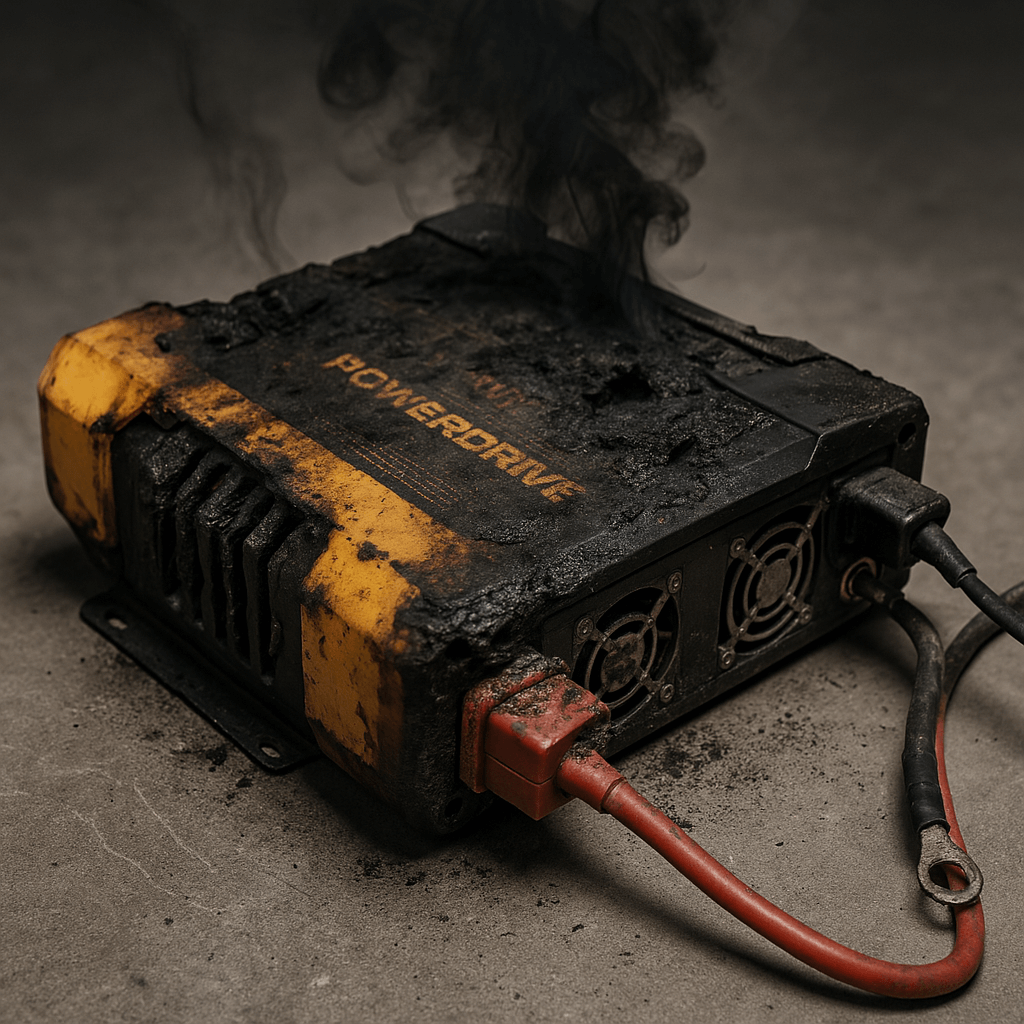
Overheating
Cause: Inverters generate heat, especially under heavy load. Poor ventilation, high ambient temps, or a dusty install location can cause overheating.
Result: The inverter may shut down automatically to prevent damage, or it may suffer long-term heat damage and degrade internally.
Blown Internal Fuses
Cause: A sudden power surge, short circuit, or faulty wiring can cause a blown fuse inside the inverter or damage to capacitors and transistors.
Result: Inverter stops producing AC power or powers on but doesn't deliver current to outlets.
Battery Drain or Low Voltage Input
Cause: If the truck's battery is weak or the inverter is used extensively with the engine off, voltage can drop below safe levels.
Result: Inverter shuts off automatically (a safety feature), or repeated undervoltage can damage internal components.
Improper Grounding or Installation
Cause: Incorrect wiring, weak ground connections, or loose terminals lead to intermittent power, electrical "noise," or dangerous shorts.
Result: You’ll see flickering lights, poor appliance performance, or total unit failure.
Always use the recommended wire gauge for the length of your run to prevent voltage drop and heat buildup.
Using the Wrong Size Inverter
Cause: Running high-wattage devices on an inverter that’s undersized can cause overload conditions.
Result: The inverter might shut down frequently, overheat, or wear out faster.
Moisture and Corrosion
Cause: Semi-trucks deal with humidity, spills, and condensation. If the inverter isn't mounted in a dry location, moisture can cause corrosion or short circuits.
Result: Intermittent performance or permanent failure.
Age and Component Wear-and-Tear
Cause: After years of use, internal components like capacitors and transistors wear down from heat cycling and constant power draw.
Result: Reduced efficiency, erratic behavior, or total failure over time.
Our inverter products come with a warranty.
Signs Your Inverter Is Going Bad
- It randomly shuts off under normal loads.
- The fan runs constantly or makes strange noises.
- Burnt smell or visible scorching near the ports or wires.
- USB ports or outlets stop working.
- It powers on, but your devices don’t charge or run properly.
- Frequent “overload” or “low voltage” warnings, even with proper input.
It’s often better to replace your inverter than repair it, since repairs can cost more. If you’re looking to hook up more devices, it’s better to upgrade to a higher wattage or pure sine wave.
Tips on Preventing Devastating Inverter Failure
- Size it correctly – Choose an inverter rated for more than your highest expected load.
- Mount it properly – Ensure good airflow, secure mounting, and clean dry conditions.
- Use pure sine wave for sensitive electronics – They’re more long-term reliable.
- Check wiring regularly – Loose or corroded terminals are common issues.
- Add fuses or circuit breakers – Protect the unit and your truck’s electrical system.
- Don’t run it constantly off the battery with the engine off – Avoid deep draining your truck batteries.
Inverter Accessories & Kits
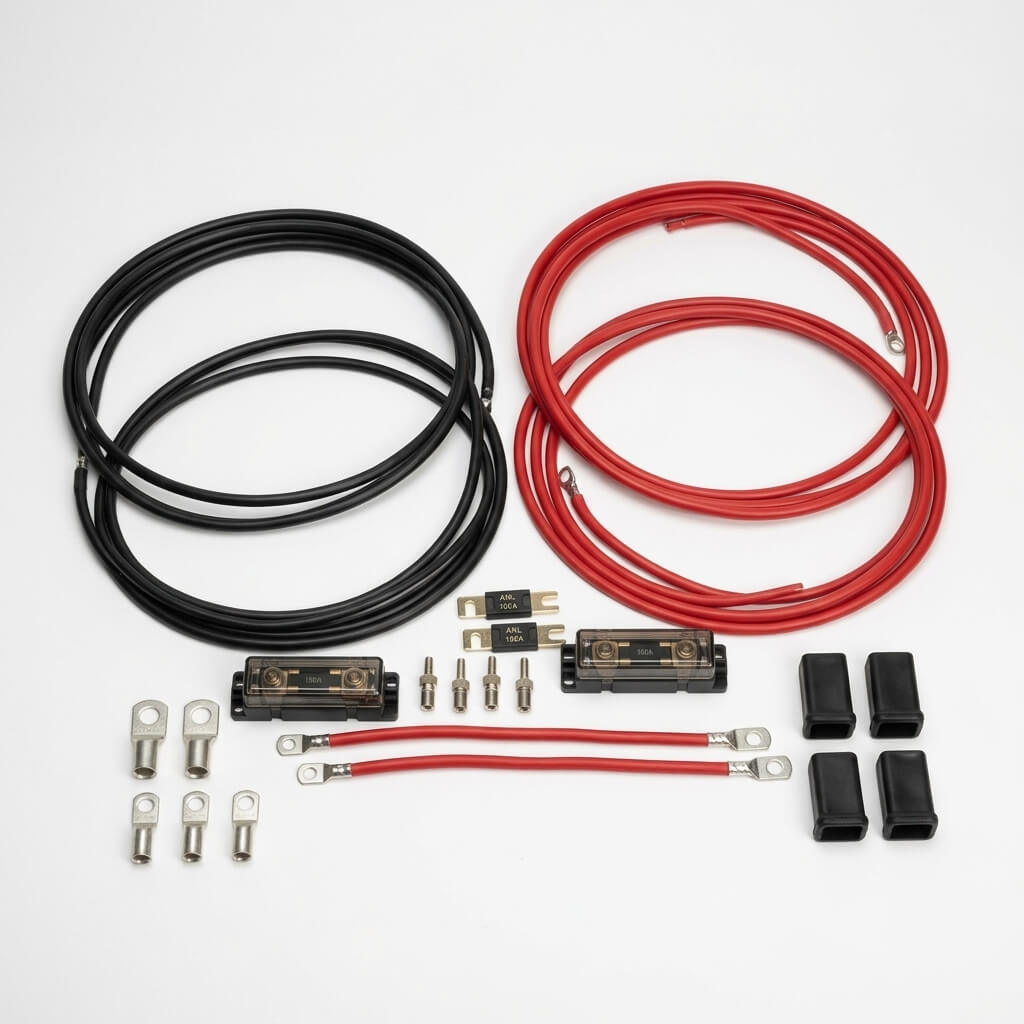
Add an installation kit to your order to safely connect it to the semi truck battery bank without short-circuits or burns.
Shop for Aftermarket Electronics Accessories and Inverters
If you’re looking for great aftermarket accessories and power inverters, take a look at our semi truck electronics product lineup using our mobile app. Need help finding the right item? Give the team a call.
Recent Posts
-
What is Dummy Exhaust on a Semi Truck?
A lot of modern Next-Gen semi trucks use horizontal exhaust outlets instead of vertical stacks to ro …2nd Oct 2026 -
Chrome vs Stainless Steel Exhaust Stacks
 Wondering whether to purchase a stainless steel or chrome exhaust stack kit? Here's a breakdown of t …28th Sep 2026
 -
How to Source Semi Truck Parts Online
 Scambling for the right parts at the last minute can get costly. Here are the best tips to consider …25th Sep 2026
 -
Haul of Fame: J&L Contracting's Award-Winning Truck
 Kenworths: Never Satisfied & Devilish Ways When you talk about Midwest trucking, heavy hauling, and …17th Sep 2026
 -
Semi Truck Exhaust Systems: Parts, Materials, Fitment & Repair Guide
 How a Semi Truck Exhaust System Works A heavy-duty exhaust system has three main jobs: route burned …16th Sep 2026
 -
Diesel Truck Engine Maintenance Guide
 Semi truck engines can last up to one million miles, or more, before they need to be rebuilt or repl …4th Sep 2026
 -
How to Buy the Right Peterbilt 379 Radiator
 If you want to keep your diesel engine from overheating you need a well-functioning replacement Pete …28th Aug 2026
 -
10 Essential Cost-Per-Mile Truck Upgrades that Pay for Themselves
 Small aftermarket semi truck accessories and performance upgrades save more money over time than the …21st Aug 2026
 -
Seasonal Semi Truck Maintenance Checklist
 Freezing winter weather temperatures, heavy snow, ice, and road salt take an unseen toll on your sem …14th Aug 2026
 -
Haul of Fame: Richard Bonner’s 1996 Peterbilt 379 — Bringing a Classic Trucker’s Truck Back to Life
 Every truck has a story, but some are worth taking a closer look at. Richard Bonner’s 1996 Peterbilt …14th Aug 2026