

null

Peterbilt 352 CAC Clamps, Boots & Hoses

Shop Heavy Duty CAC Hoses & Boots for Peak Performance

If your Peterbilt 352 isn’t pulling like it should, start with the CAC system. CAC clamps, boots, and hoses move cooled, pressurized air from the turbo to the engine. That airflow is everything. When it stays sealed, the engine runs strong. When it leaks, performance drops fast. A cracked boot or loose clamp bleeds boost. You feel it on hills. Throttle response slows. Fuel burn goes up just to keep pace. That imbalance also creates excess soot, which puts stress on the DPF and the rest of the emissions system. Small leaks turn into big repair bills. Heat and vibration wear parts over time, but oil causes the most damage. Turbo oil mist slowly breaks down silicone boots. They soften. They swell. Then they fail without warning under load. Many roadside breakdowns start exactly this way. Clamps are just as critical as the boots and hoses. Weak or stretched clamps let connections shift. That can cause leaks or allow dirty air to get pulled in. Unfiltered air carries grit, and grit inside the engine leads to permanent damage.

Signs You Need to Replace CAC Connections

You may hear a sharp hiss or whistle under boost. You may see oil residue, cracked silicone, or black smoke. You may notice lower boost readings on the dash. To be sure, do a quick walkaround inspection. Check every connection point. Feel for soft or spongy spots. Look for oil-soaked boots and uneven clamp pressure. Catching one bad part early can save you from a derate on the shoulder. Quality CAC boots, hoses, and heavy-duty clamps help your Peterbilt 352 keep its power, protect the emissions system, and run cleaner mile after mile. Tight air connections don’t just restore boost. They protect the engine itself
  • Product
  • Qty in Cart
  • Quantity
  • Price
  • Subtotal
  • On Sale
    Limited Quantity Available
    FREE SHIPPING OVER $249
    BESTfit 3.75 Inch X 3 Foot Charge Air Cooler Hose

    BESTfit 3.75 Inch X 3 Foot Charge Air Cooler Hose

    BESTFIT TRUCK PARTS

    Now: $45.76
    Was: $194.99
    BESTfit Charge Air Cooler Hose* High Quality Charge Air Cooler Hose* 3.75 Inch ID x 3 Foot* Sold Individually* Warranty On Charge Air Cooler Hoses Against Defects In Workmanship & Material From Date...
    09-070121
    SKU:
    09-070121
    Truck Class:
    Light Duty
    Make:
    Universal Items
    Product Type:
    Engine Parts
    Ready To Ship:
    Yes
    Now: $45.76
    Was: $194.99
    Qty in Cart: 0
    Price:
    Now: $45.76
    Was: $194.99
    Subtotal:
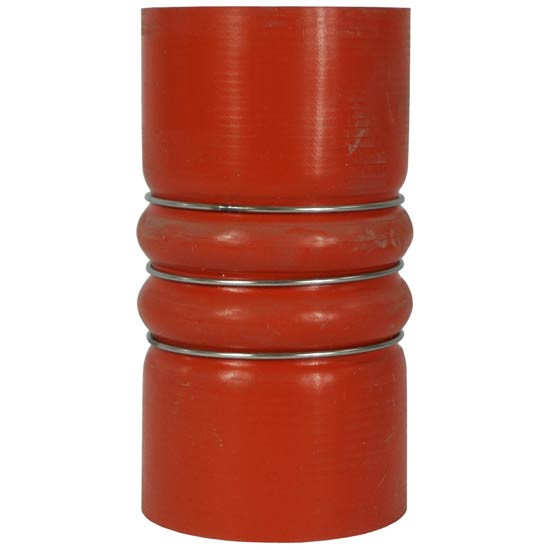
  • BESTfit 3 ID X 6 Inch 4 Ply Nomex Hot Side Coupler Hump Hose

    BESTfit 3 ID X 6 Inch 4 Ply Nomex Hot Side Coupler Hump Hose

    BESTFIT TRUCK PARTS

    $38.57
    BESTfit High Temperature Coupler HoseThis silicone 4 ply and 6 inch long hump hose is made of a flexible silicone rubber shaped like a hump or a wave. It is used to connect two 3 inch ID pipes or...
    09-070106
    SKU:
    09-070106
    Truck Class:
    Heavy Duty
    Make:
    Universal Items
    Product Type:
    Engine Parts
    $38.57
    Qty in Cart: 0
    Price:
    $38.57
    Subtotal:
  • Total: items /

Adding your products to cart

Shop Heavy Duty CAC Hoses & Boots for Peak Performance

If your Peterbilt 352 isn’t pulling like it should, start with the CAC system. CAC clamps, boots, and hoses move cooled, pressurized air from the turbo to the engine. That airflow is everything. When it stays sealed, the engine runs strong. When it leaks, performance drops fast. A cracked boot or loose clamp bleeds boost. You feel it on hills. Throttle response slows. Fuel burn goes up just to keep pace. That imbalance also creates excess soot, which puts stress on the DPF and the rest of the emissions system. Small leaks turn into big repair bills. Heat and vibration wear parts over time, but oil causes the most damage. Turbo oil mist slowly breaks down silicone boots. They soften. They swell. Then they fail without warning under load. Many roadside breakdowns start exactly this way. Clamps are just as critical as the boots and hoses. Weak or stretched clamps let connections shift. That can cause leaks or allow dirty air to get pulled in. Unfiltered air carries grit, and grit inside the engine leads to permanent damage.

Signs You Need to Replace CAC Connections

You may hear a sharp hiss or whistle under boost. You may see oil residue, cracked silicone, or black smoke. You may notice lower boost readings on the dash. To be sure, do a quick walkaround inspection. Check every connection point. Feel for soft or spongy spots. Look for oil-soaked boots and uneven clamp pressure. Catching one bad part early can save you from a derate on the shoulder. Quality CAC boots, hoses, and heavy-duty clamps help your Peterbilt 352 keep its power, protect the emissions system, and run cleaner mile after mile. Tight air connections don’t just restore boost. They protect the engine itself.

Frequently Asked Questions About Peterbilt 352 CAC Clamps, Boots & Hoses

What size CAC boots and clamps do I need for my Peterbilt 352?

Most Peterbilt 352 models use 3.5" to 4" diameter CAC boots, but the exact size depends on your engine configuration and model year. Measure the outer diameter of your charge air cooler pipes before ordering. For clamps, we recommend using T-bolt style clamps that are 1/4" to 1/2" larger than your boot diameter for proper sealing. If you're unsure, check your engine's service manual or contact us with your OEM for specific sizing.

How often should I replace my CAC boots and what are the signs of failure?

CAC boots typically last 3-5 years under normal conditions, but inspect them every 6 months. Common failure signs include oil residue around the boot connections, hissing sounds under acceleration, loss of boost pressure, increased turbo lag, and visible cracks or soft spots in the rubber. Replace boots immediately if you notice any ballooning, tears, or if they feel sticky or overly soft when squeezed.

Can I install CAC components myself or do I need special tools?

Installation is straightforward and can be done with basic hand tools. You'll need a flathead screwdriver or 5/16" socket for most clamps, and possibly a heat gun to soften stubborn boots for removal. Apply a thin layer of silicone spray or dish soap to ease installation. The job typically takes 30-60 minutes. Make sure the engine is cool before starting, and always replace clamps when installing new boots for optimal sealing.

What's the difference between silicone and rubber CAC boots for my 352?

Silicone boots handle temperatures up to 500?F and last 2-3 times longer than standard rubber boots, making them ideal for high-performance or heavy-hauling applications. They resist oil contamination better but cost more upfront. Standard EPDM rubber boots work well for most applications, handling temps up to 300?F at a lower price point. Choose silicone if you frequently haul heavy loads or operate in extreme temperatures.

Why do my new CAC clamps keep loosening even after proper torque?

This usually happens when reusing old boots with new clamps or mixing clamp styles. Always use constant-torque clamps with silicone boots as they maintain pressure through temperature cycles. Standard worm-gear clamps work with rubber boots but may need retightening after the first heat cycle. Ensure boot surfaces are clean and free of oil before installation, and torque T-bolt clamps to 60-80 inch-pounds. Check and retighten all clamps after the first 100 miles of operation.


Introducing the Official 4 State Trucks Mobile App – Gear Up On the Go!