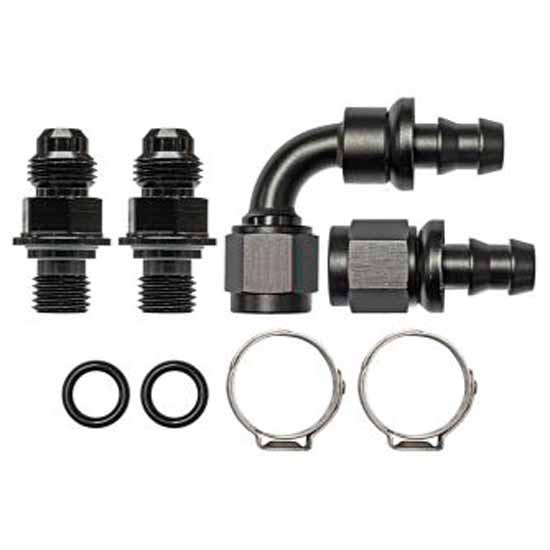
Explore our top-quality Ford F450-F550 radiator hoses, gaskets, and accessories. This assortment offers a wide range of parts designed to improve cooling efficiency, boost engine performance, and extend the life of your truck's components. Whether replacing old parts or upgrading your cooling system, you'll find the right solutions in various sizes, materials, and styles. Enhance the reliability of your Ford with these essential cooling products.
Frequently Asked Questions About Ford F450-F550 Truck Coolant Reservoirs
What does a coolant reservoir do and why does it need to be replaced?
The coolant reservoir stores extra coolant and allows it to expand and contract as your engine heats up and cools down, while also releasing trapped air from the cooling system. Over time these tanks can crack, develop leaks, or become discolored from heat and age, which can lead to low coolant levels and potential overheating if not replaced.
Will a replacement reservoir fit my specific Ford F450 or F550?
Coolant reservoirs vary by model year and engine, such as the 6.0L, 6.4L, and 6.7L Power Stroke diesel options, so it is important to check the year, engine size, and cab configuration of your truck against the fitment details listed on each product page before ordering. If you are unsure, comparing your OEM part number to the one listed for the replacement can help confirm a correct match.
What materials are these reservoirs made from, and how durable are they?
Most coolant reservoirs are made from a translucent or semi-translucent plastic that allows you to see the coolant level without opening the cap. These plastics are designed to handle engine bay heat and pressure, but like OEM parts they can become brittle over time, so choosing a reservoir built to OEM specifications helps ensure long-term durability.
How do I know if my current reservoir needs to be replaced versus just topped off?
If you notice coolant puddling under your truck, a consistently low coolant level after refilling, visible cracks or stress marks on the tank, or discoloration around the cap and seams, these are signs the reservoir itself may be failing rather than a simple low-fluid issue. A reservoir that will not hold pressure or maintain level even after refilling typically needs replacement.
Is installing a new coolant reservoir something I can do myself?
Yes, replacing a coolant reservoir is generally a straightforward job that involves draining or lowering coolant level, disconnecting hose lines and the sensor if equipped, unbolting the old tank, and installing the new one in its place. Always allow the engine to cool completely before opening the cooling system, and refer to your truck's service manual for torque specs and proper coolant refill procedures.