Frequently Asked Questions About Refrigerators & Mounting Kits
Will a 12-volt truck refrigerator fit in my sleeper cab or under-bunk space?
Available sizes vary widely, from compact single-door units to larger dual-zone models, so it's important to measure your available space before ordering. Check the listed dimensions for width, height, and depth against the area where you plan to install the unit, including any clearance needed for the door to open and for ventilation around the compressor.
What mounting kit do I need for my refrigerator?
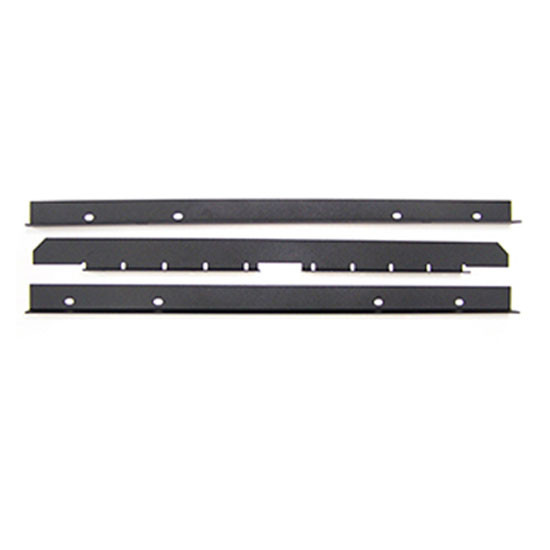
Mounting kits are typically sold separately from the refrigerator itself and are designed to secure the unit against vibration and movement while driving. The right kit depends on the refrigerator's brand, size, and the mounting location in your truck, so it's best to match the kit to your specific refrigerator model or confirm compatibility before purchasing.
How much power does a truck refrigerator draw, and will it drain my battery?
Power draw depends on the refrigerator's size and compressor type, and most units are designed to run efficiently on 12-volt systems. To avoid unexpected battery drain, many drivers pair their refrigerator with an auxiliary battery, battery monitor, or low-voltage cutoff feature if the unit includes one. Review the product's power specifications and consider your truck's electrical setup before installation.
Can I install a refrigerator and mounting kit myself, or do I need a professional?
Many drivers install these units themselves, especially when using a mounting kit designed for a straightforward bolt-in or bracket setup. Basic tools and some familiarity with securing equipment in a cab are usually enough, but if your installation involves running new wiring or modifying interior panels, having a professional handle that portion can help ensure a secure and safe setup.
How do I keep the refrigerator secure and rattle-free while driving?
A properly sized mounting kit is the main line of defense against shifting and vibration on the road. Make sure all mounting hardware is tightened according to the manufacturer's instructions, and periodically check the brackets and straps for wear or loosening, especially after long hauls on rough roads.