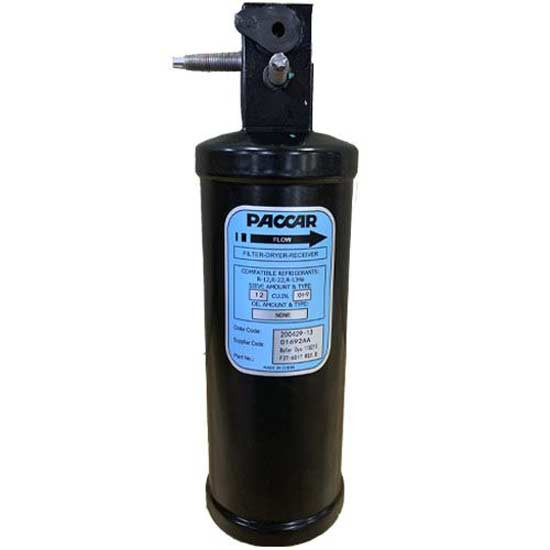
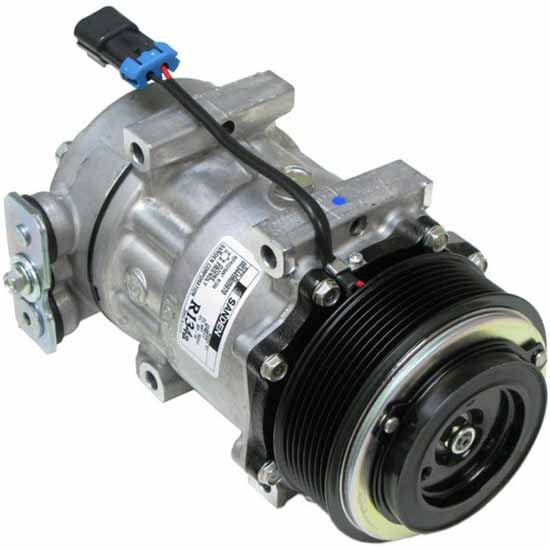
Keep your Peterbilt 389 cool and efficient with our high-quality AC driers and compressors. Designed to replace OEM parts, these rugged components ensure reliable climate control in any weather. Compatible with Peterbilt 386, 387, and 389 models, they deliver peak performance for the demands of the road. Stay cool and comfortable with our top-tier AC solutions.
Frequently Asked Questions About Peterbilt 389 AC Driers & Compressors
What is the difference between an AC drier and an AC compressor?
The AC drier, also called a receiver drier or accumulator, removes moisture and contaminants from the refrigerant system and helps filter debris before it reaches sensitive components. The AC compressor is the pump that circulates and pressurizes refrigerant through the system, making it essential for producing cold air. Both parts work together, but they serve very different functions and typically fail for different reasons.
How do I know if I need a new drier or a new compressor?
Common signs of a failing AC drier include weak or inconsistent cooling, moisture or frost buildup on AC lines, or a musty smell from the vents. Compressor issues often show up as loud grinding or squealing noises, a seized or slow-turning clutch, visible oil leaks around fittings, or a complete loss of cold air. If you are unsure which component is causing the issue, having the system pressure tested by a qualified technician can help pinpoint the failure before you buy a replacement part.
Will these parts fit my Peterbilt 389 without modification?
Products listed in this category are selected to fit Peterbilt 389 applications, but AC systems can vary slightly depending on model year, cab configuration, and factory options. Always check the listed fitment details, OEM part number cross-references, and specifications on each product page before ordering to confirm it matches your truck's original AC setup.
Do I need to replace the drier every time I replace the compressor?
In most cases, yes. When a compressor fails, metal debris and contaminants can circulate through the AC system and settle in the drier. Reusing an old drier after a compressor replacement can reintroduce that debris and lead to premature failure of the new compressor. Most manufacturers and experienced technicians recommend replacing the drier any time the system is opened up for a compressor swap.
Can I install an AC compressor or drier myself, or should I have a professional do it?
AC system work involves handling pressurized refrigerant, which requires proper recovery and recharging equipment as well as EPA certification in many cases. While experienced fleet technicians may have the tools and training to perform this work in-house, most drivers and owner-operators choose to have AC repairs done by a certified shop to ensure the system is properly evacuated, charged, and tested for leaks after installation.