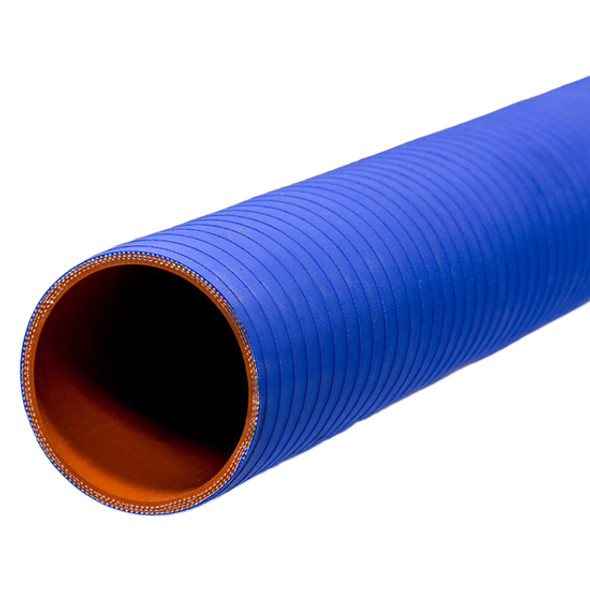
Frequently Asked Questions About Mack CX Truck Radiator Tubes, Gaskets & Hoses
What do radiator tubes, gaskets, and hoses actually do in my Mack CX cooling system?
These components make up the sealed pathway that circulates coolant through your radiator and engine. Radiator tubes carry coolant through the core where heat is released, gaskets seal connection points to prevent leaks between mating surfaces, and hoses transfer coolant between the radiator, engine, and other cooling system components. Wear or failure in any one of these parts can lead to coolant loss, overheating, or reduced cooling efficiency.
How do I know if I need to replace a radiator hose or gasket versus just tightening a clamp?
If you notice coolant residue, cracking, soft or spongy hose walls, visible swelling, or a hose that feels brittle when squeezed, it is time for a replacement rather than a simple clamp adjustment. Gaskets that show signs of hardening, flaking, or leaking after reseating usually need to be replaced as well, since a worn gasket will not create a reliable seal even under proper torque.
Will these parts fit my specific Mack CX model and engine configuration?
Mack CX trucks were produced across several years with different engine and radiator configurations, so fitment can vary. Always check the part number against your truck's radiator and cooling system specifications, or reference your VIN and engine details, before ordering. If you are unsure, our team can help confirm compatibility based on your truck's build specifics.
What material or construction differences should I look for when choosing a replacement hose or gasket?
Hoses are typically offered in rubber compounds designed to handle heat, pressure, and coolant exposure without degrading prematurely, while gaskets may be made from materials like rubber, composite, or fiber depending on where they seal. Look for parts built to handle the operating temperatures and pressures of your specific cooling system, and check whether the listing specifies OEM-style construction or an aftermarket equivalent.
What is the best way to install a new radiator hose or gasket to avoid future leaks?
Start by draining the cooling system before removing any old hoses or gaskets. Clean all mating surfaces thoroughly to remove old gasket material, rust, or debris, since even small amounts of residue can prevent a proper seal. Inspect clamps and replace any that are corroded or deformed, then torque connections to the manufacturer's specification rather than overtightening. Once installed, refill the cooling system, run the engine, and check for leaks at all connection points before returning the truck to service.