

null

Kenworth Cabover CAC Clamps, Boots & Hoses

Find Premium Quality CAC Component Replacements

If your Kenworth cabover feels sluggish or struggles to hold boost, the problem often starts in the CAC system. CAC clamps, boots, and hoses carry cooled, pressurized air from the turbo to the engine. When they fail, power drops immediately—and so does fuel efficiency. This isn’t a comfort issue. It’s a money issue.

Why CAC Integrity Matters on a Kenworth Cabover

A leaking CAC boot doesn’t just vent air. It vents boost. Throttle response slows. Hill pulls weaken. Fuel burn rises just to maintain speed. Worse, a boost leak creates a rich air-to-fuel mix. That imbalance produces excess soot, which loads the DPF faster and increases the risk of an engine derate. One weak hose can put your truck in limp mode and park you on the shoulder. Replacing worn CAC components early is far cheaper than emissions repairs or lost run time. Oil Is the Silent Killer: Heat and vibration wear CAC parts over time, but oil is what finishes them off. Turbo oil mist slowly softens silicone boots. They swell. They lose structure. Then they blow under pressure. High-quality CAC boots for Kenworth cabovers are built with oil-resistant silicone liners to prevent soft spots, swelling, and sudden failures under load. If your boots feel spongy or look oil-soaked, they’re already on borrowed time. Clamps Are Not Optional Hardware: Clamps are the foundation of boost pressure. Weak or stretched clamps allow hoses to shift under PSI. That leads to leaks, blow-offs, and uneven sealing. Even worse, a loose connection can pull unfiltered air into the intake. Dust and grit inside the engine cause permanent damage. That’s how engines get dusted. Heavy-duty T-bolt CAC clamps provide the clamping force needed to keep hoses locked down under high boost and constant vibration—especially critical on older cabover platforms.

Warning Signs Your CAC System Is Failing

Don’t wait for a tow. Check for these during pre-trip inspections: Audible hissing or whistling under acceleration. Oil residue or grime on silicone boots. Low boost readings on the dash. More frequent DPF regens than normal. Catching one bad boot early can save thousands in downtime and repairs. Our ilneup of Kenworth cabover CAC clamps, boots, and hoses are designed for real-world hauling. They handle heat. They handle vibration. They hold boost
  • Product
  • Qty in Cart
  • Quantity
  • Price
  • Subtotal
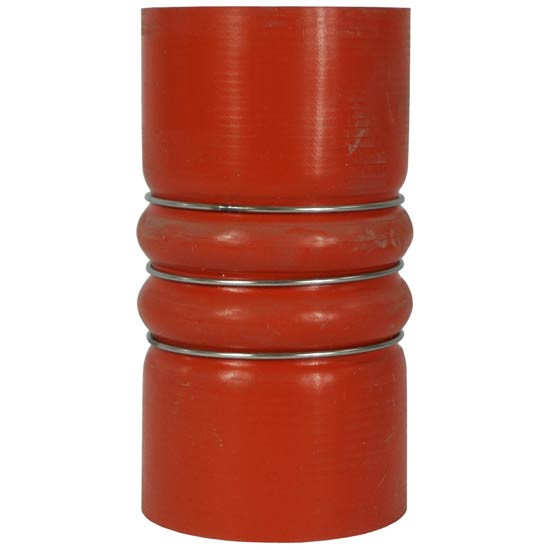
  • BESTfit 3 ID X 6 Inch 4 Ply Nomex Hot Side Coupler Hump Hose

    BESTfit 3 ID X 6 Inch 4 Ply Nomex Hot Side Coupler Hump Hose

    BESTFIT TRUCK PARTS

    $38.57
    BESTfit High Temperature Coupler HoseThis silicone 4 ply and 6 inch long hump hose is made of a flexible silicone rubber shaped like a hump or a wave. It is used to connect two 3 inch ID pipes or...
    09-070106
    SKU:
    09-070106
    Truck Class:
    Heavy Duty
    Make:
    Universal Items
    Product Type:
    Engine Parts
    $38.57
    Qty in Cart: 0
    Price:
    $38.57
    Subtotal:
  • Total: items /

Adding your products to cart

Find Premium Quality CAC Component Replacements

If your Kenworth cabover feels sluggish or struggles to hold boost, the problem often starts in the CAC system. CAC clamps, boots, and hoses carry cooled, pressurized air from the turbo to the engine. When they fail, power drops immediately—and so does fuel efficiency. This isn’t a comfort issue. It’s a money issue.

Why CAC Integrity Matters on a Kenworth Cabover

A leaking CAC boot doesn’t just vent air. It vents boost. Throttle response slows. Hill pulls weaken. Fuel burn rises just to maintain speed. Worse, a boost leak creates a rich air-to-fuel mix. That imbalance produces excess soot, which loads the DPF faster and increases the risk of an engine derate. One weak hose can put your truck in limp mode and park you on the shoulder. Replacing worn CAC components early is far cheaper than emissions repairs or lost run time. Oil Is the Silent Killer: Heat and vibration wear CAC parts over time, but oil is what finishes them off. Turbo oil mist slowly softens silicone boots. They swell. They lose structure. Then they blow under pressure. High-quality CAC boots for Kenworth cabovers are built with oil-resistant silicone liners to prevent soft spots, swelling, and sudden failures under load. If your boots feel spongy or look oil-soaked, they’re already on borrowed time. Clamps Are Not Optional Hardware: Clamps are the foundation of boost pressure. Weak or stretched clamps allow hoses to shift under PSI. That leads to leaks, blow-offs, and uneven sealing. Even worse, a loose connection can pull unfiltered air into the intake. Dust and grit inside the engine cause permanent damage. That’s how engines get dusted. Heavy-duty T-bolt CAC clamps provide the clamping force needed to keep hoses locked down under high boost and constant vibration—especially critical on older cabover platforms.

Warning Signs Your CAC System Is Failing

Don’t wait for a tow. Check for these during pre-trip inspections: Audible hissing or whistling under acceleration. Oil residue or grime on silicone boots. Low boost readings on the dash. More frequent DPF regens than normal. Catching one bad boot early can save thousands in downtime and repairs. Our ilneup of Kenworth cabover CAC clamps, boots, and hoses are designed for real-world hauling. They handle heat. They handle vibration. They hold boost.

Frequently Asked Questions About Kenworth Cabover CAC Clamps, Boots & Hoses

What does "CAC" mean in this category?

CAC stands for Charge Air Cooler, which is part of your truck's turbocharged intake system. The clamps, boots, and hoses in this category connect the turbocharger to the charge air cooler and then to the intake manifold, allowing cooled, compressed air to flow into the engine efficiently.

How do I know if a CAC boot or hose is compatible with my Kenworth cabover model?

Fit can vary by Kenworth cabover model year and engine configuration, so it is important to check the listed specifications, including diameter, length, and bend angle, against your truck's existing part before ordering. If you are unsure, having your VIN or engine model on hand when contacting our parts team can help confirm the correct fit.

What are common signs that a CAC boot, hose, or clamp needs to be replaced?

Cracking, dry rot, soft spots, or visible separation in the rubber boots and hoses are common warning signs. Loss of boost pressure, a noticeable drop in engine performance, or a hissing sound near the intake system can also indicate a failing clamp, boot, or hose that is no longer sealing properly.

What materials are these clamps, boots, and hoses typically made from?

Boots and hoses in this category are generally made from durable, heat and oil resistant rubber or silicone blends designed to withstand engine bay conditions. Clamps are typically constructed from stainless steel or zinc-plated steel to resist corrosion and maintain a secure, long-lasting seal under the vibration and heat cycles of daily operation.

Can I install these parts myself, or do I need a professional?

Many drivers and fleet technicians replace CAC clamps, boots, and hoses themselves, since the job typically involves loosening the old clamps, removing the worn boot or hose, and securing the new component in its place. That said, if your cabover requires tilting for access or if you are unfamiliar with the intake system layout, having a qualified technician handle the installation can help ensure a proper seal and avoid boost leaks.


Introducing the Official 4 State Trucks Mobile App – Gear Up On the Go!