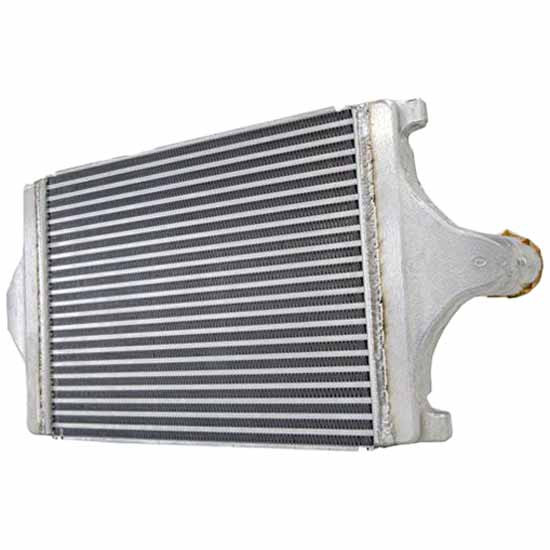
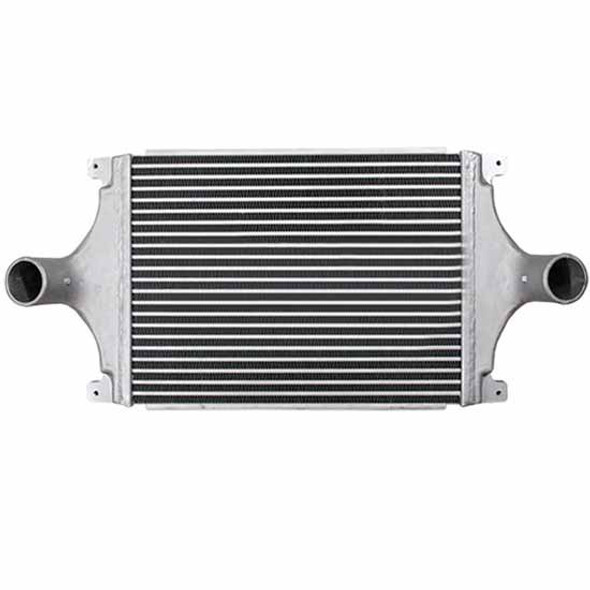
Maximize your Hino 238, 258, 268, or 338 truck's efficiency with top-tier charge air coolers. Designed to enhance airflow and heat dissipation, these durable coolers improve engine performance, fuel economy, and longevity.
Frequently Asked Questions About Hino 238-338 Truck Charge Air Coolers
What does a charge air cooler do on my Hino 238/338?
The charge air cooler, also known as an intercooler, cools the compressed air coming from the turbocharger before it enters the engine. Cooler, denser air improves combustion efficiency, helps the engine produce more power, and reduces strain on internal components. If yours is leaking or damaged, you may notice reduced power, increased fuel consumption, or boost pressure issues.
How do I know if my charge air cooler needs to be replaced instead of repaired?
Common signs include visible cracks, bent or crushed fins, oil residue around seams or tubes, and a noticeable loss of engine power or boost. Small leaks can sometimes be patched, but if the core is corroded, cracked in multiple places, or the end tanks are damaged, replacement is usually the more reliable and cost-effective option.
Will this charge air cooler fit my specific Hino 238 or 338 model year?
Charge air coolers can vary by model year and engine configuration, so it's important to confirm your truck's VIN, engine model, and year before ordering. If you're unsure about fitment, our team can help verify compatibility using your truck's details to make sure the part matches your specific application.
Are these charge air coolers new, used, or reconditioned?
Product condition varies by listing, and we clearly note whether an item is new, used, or reconditioned on each product page. Used and reconditioned units are inspected for cracks, leaks, and structural integrity before being offered for sale, giving you a dependable option at a lower cost than buying new.
What should I check before installing a replacement charge air cooler?
Before installation, inspect all mounting brackets, hoses, and clamps for wear or damage, since these are often reused during a swap. It's also a good idea to pressure test the new or reconditioned cooler prior to installation to confirm there are no leaks, and to replace any worn gaskets or seals at the same time to help prevent future issues.